
President of LeyesX, CEO of Leyes Media and VVS
Cybercriminals Are Using Fake Cell Towers to Scam — Here’s How You Can Stay Safe
Courtesy of Kevin Leyes
Scam texts have become part of daily life, from fake delivery notices to bogus bank alerts. Most people assume these messages come from hacked databases or shady overseas SMS platforms. Increasingly, though, criminals are using a stranger and more dangerous method: fake cell towers on wheels.
These devices, often called SMS blasters, allow attackers to send thousands of scam texts per minute by tricking nearby phones into connecting. As a cybersecurity expert, I believe this marks a turning point in how phishing attempts are delivered. It also means that protecting yourself requires awareness of both the technology and your own behavior.
How the New Scam Works
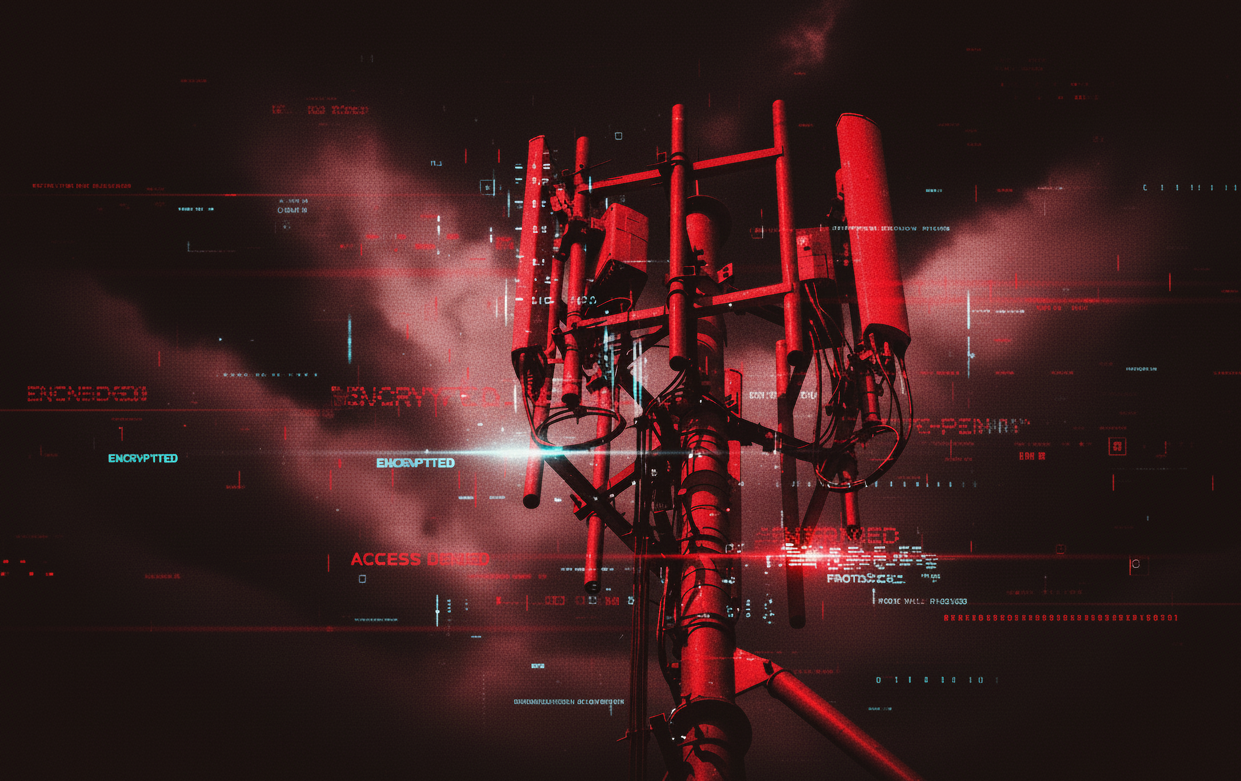
An SMS blaster is essentially a portable cell tower simulator. Criminals place them in cars, vans, or even backpacks. As they drive through neighborhoods, the devices mimic legitimate towers and quietly force phones nearby to connect.
Once a phone is captured, the blaster can push it onto an older, less secure 2G network. That makes it easier to push out large batches of scam texts. These messages may appear to come from trusted numbers and usually contain a link urging you to pay a fee, reset a password, or track a delivery.
Because the texts never pass through traditional telecom networks, the filters that carriers use to block millions of scam messages every month are useless. To the phone owner, the scam arrives instantly and looks like any other text.
Why It Is Spreading
Until recently, SMS blasters were rare outside of law enforcement or military circles, where they were known as IMSI catchers or Stingrays. Now cheaper, simplified versions are openly sold online. Reports have already surfaced of criminals using them across Asia, Europe, and South America, with police seizing devices in London, Bangkok, and Brazil.
The attraction for scammers is obvious: these machines can blast out up to 100,000 texts per hour in a one-kilometer radius. Unlike old methods that required buying phone number lists or renting SMS gateways, this approach casts a wide net with minimal effort. Anyone in range becomes a potential target, whether their number is public or not.
What Criminals Want
The messages themselves are not new. They are the same phishing texts that have circulated for years:
- Fake package delivery alerts
- Bogus toll or tax notices
- Fraudulent banking messages urging you to click a link
The goal is simple: trick you into entering sensitive information on a fake website. What has changed is the delivery system, which is now harder for telecom providers to detect or block.
Why Carriers Cannot Stop It
Mobile operators have invested heavily in filtering tools. Some block hundreds of millions of scam texts each year. But SMS blasters bypass these defenses because they operate outside the carrier’s infrastructure. The fake tower transmits directly to your device. From the network’s perspective, nothing happened.
That leaves individuals and law enforcement as the last lines of defense. Police in several countries have arrested operators who were simply hired to drive cars containing the devices, showing how easy they are to use.
How You Can Protect Yourself
The good news is that you are not powerless. There are practical steps everyone can take:
- Disable 2G connections. Most modern phones allow you to block 2G in the network settings. This prevents your device from being forced down to the insecure level that SMS blasters rely on. On some Android devices this can be done manually, and Apple’s Lockdown Mode disables 2G automatically.
- Be skeptical of links in texts. No matter how urgent the message appears, take a pause before clicking. If it claims to be from your bank, delivery service, or government, go to their official app or website directly instead of trusting the link.
- Use official apps. For toll payments, deliveries, or banking, rely on official apps. If a text tries to redirect you, it is safer to ignore it.
- Report suspicious texts. Most carriers have a number where you can forward scams. On many phones you can also tap “Report Junk.” These reports help law enforcement identify hotspots where SMS blasters may be active.
- Stay informed. Awareness is your first line of defense. Simply knowing that these devices exist makes you less likely to fall for the scams they deliver.
The Bigger Picture
Cybercrime constantly evolves. Each time defenders build better filters or smarter detection, attackers look for workarounds. SMS blasters are the latest example, moving the battle from the digital world onto the streets.
While the devices may sound sophisticated, the scams themselves have not changed. They still rely on urgency, fear, or curiosity to make you click a link without thinking. That is why human behavior remains the most important security layer.
By disabling insecure connections, questioning suspicious texts, and refusing to share information through links, you make these attacks far less effective. Technology will continue to improve, and law enforcement will adapt, but in the meantime your vigilance is the simplest and strongest defense.
Related Topics