Joanie Leeds Celebrates Bubby with New Album ‘Ageless: 100 Years Young’
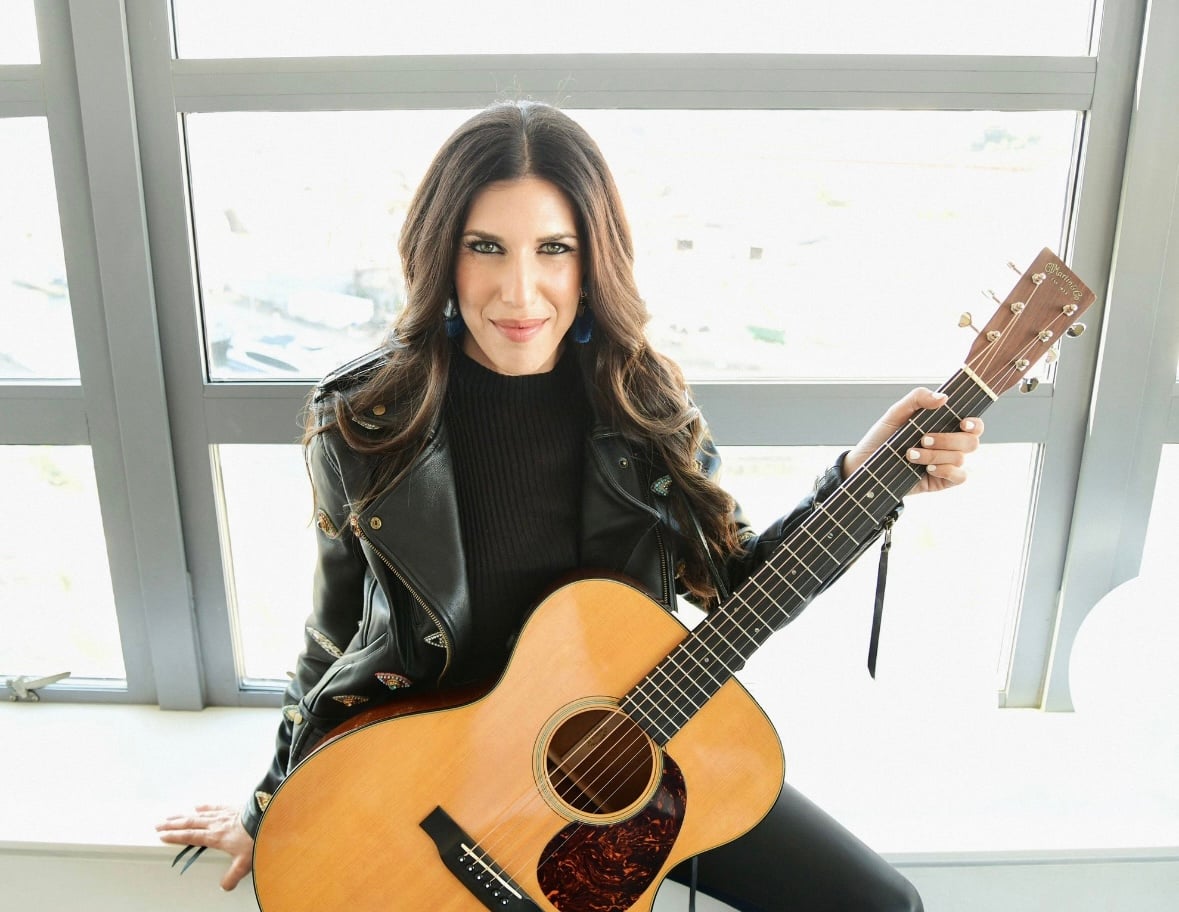
Joanie Leeds is an award-winning children’s musician who grew up in South Florida and currently resides in New York. With twelve albums under her belt, she offers notes of Jewish joy with songs like “I Wanna Be a Mensch,” “Challah, Challah,” and “Like a Maccabee.” Did I mention she won a Grammy?
Joanie’s latest album is titled Ageless: 100 Years Young—an homage to her Bubby, who turned 100 just three days before the album dropped. “It’s basically like the album is a big birthday present, I’ve never really done anything like that before,” Joanie says. And with her 10-year-old daughter, Joya, singing on half the songs, this album feels like a true family affair and labor of love.
Joanie and I had a great conversation about the new album, her quest to create a Jewish category at the Grammys, and honoring her roots through her music.
Leah Grossman: Mazel tov on your new album! What can you tell us about it?
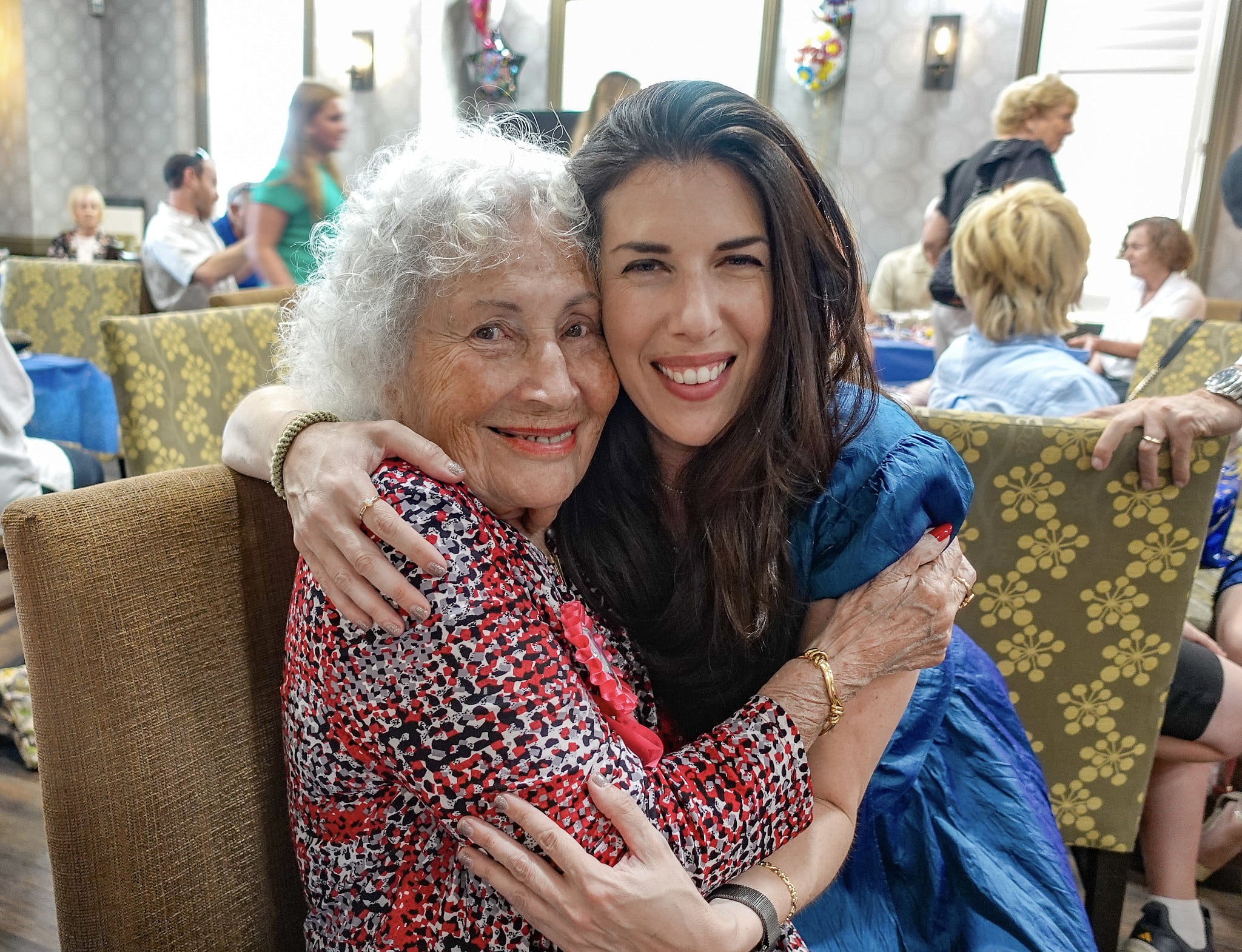
Joanie Leeds: Ageless: 100 Years Young is inspired by my grandmother (we call her Bubby—her name is Sylvia Furshman Nusinov), and she turned 100 on August 12. She’s just such an incredible woman—she’s one of these really special people who has endless curiosity, she’s very smart…she read a page of the dictionary every day when she was a child, so she’s got this huge vocabulary.
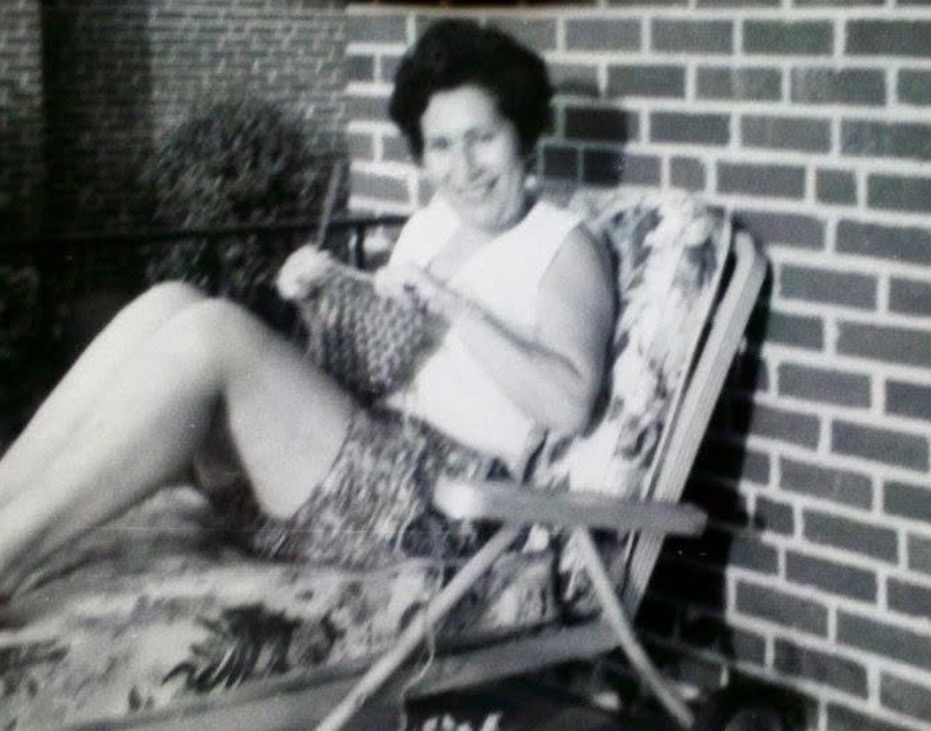
Her curiosity actually led to her finding and tracing our family roots. She got a computer back in the mid-90’s and was surfing the internet before most people had computers in their home. And she found, based on a letter that her father gave her when she was young (it was in Yiddish and she couldn’t translate it) the town that her family was from—so she was able to find missing family members based on this letter. She did some real detective sleuthing, and then became the President of the Jewish Genealogical Society in South Florida, teaching other people how to find their family roots. She’s just one of these larger than life, very funny personalities and I wanted to create my next album to honor her life.
LG: It’s such a sweet and meaningful gesture. What does your Bubby think about it?
JL: She has been listening to the album non-stop. She reads books every single day (now to this day still) and she’s always reading, so I printed out the lyrics so that she can read along. My aunt (who she lives with in South Florida) keeps sending me videos of her listening and pictures of her reading the lyrics while listening.
I interviewed her for years trying to get material because I knew I wanted to do something, but I didn’t know what. I just wanted to keep all these stories going. If you don’t tell them or get it on video recording these days, those memories and everything is gone, so I didn’t want that to happen.
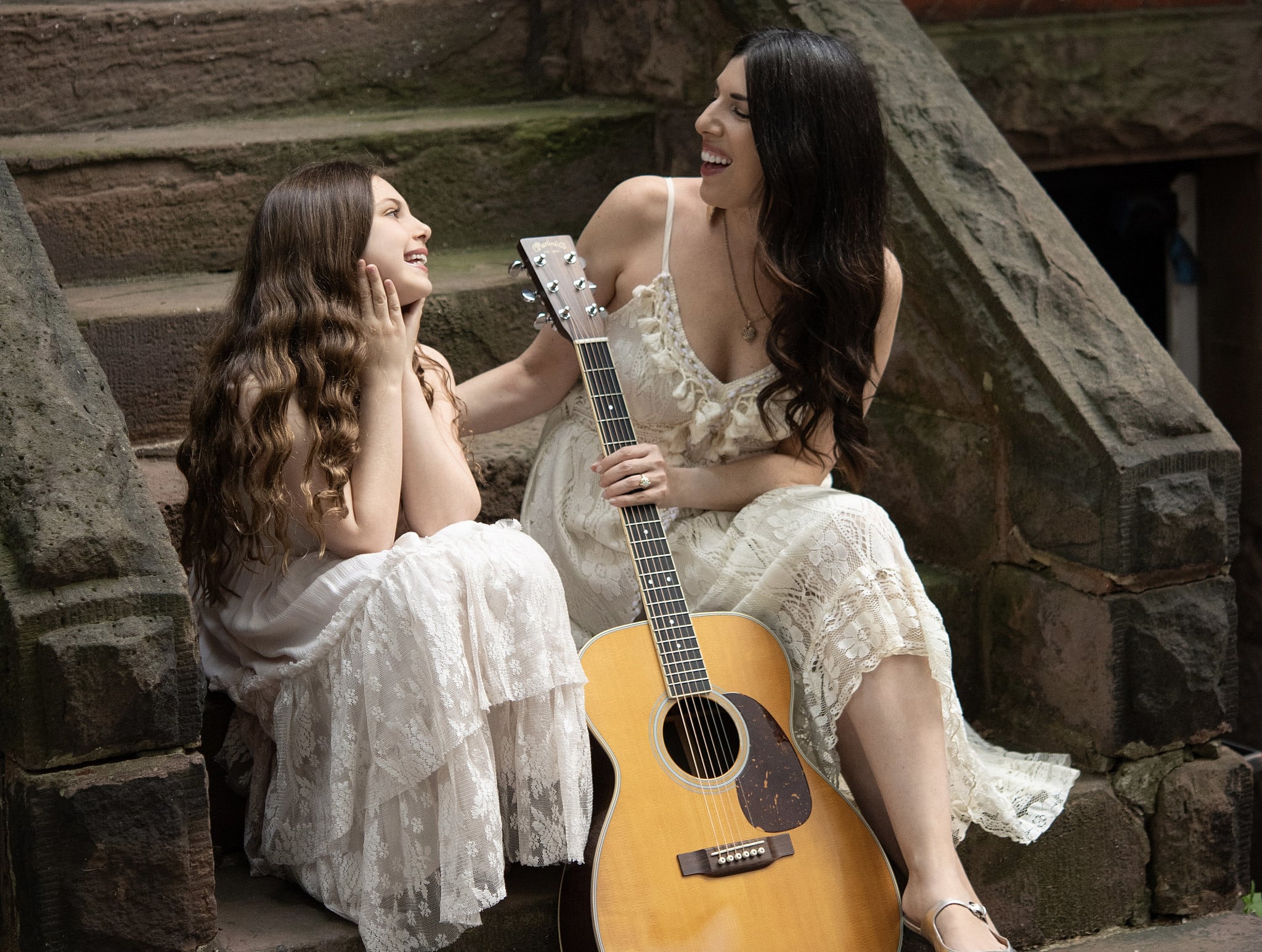
LG: I love that your daughter, Joya, sings with you on the album—how special to be able to share your career with your daughter like that. Does she want to follow in your footsteps?
JL: She definitely loves to sing—she takes voice lessons and she’s always in the musicals at her after-school programs, so she’s very into music and performing. But we’re not looking at it professionally right now (although I’m sure if she wanted to she could), we’re just having fun with it. And this is a really nice way for us to spend time together in a musical way.
She expressed a lot of interest in being on this next album in a larger capacity, so I made sure to write these song with her in mind with duets and harmonies. We just started harmonizing together this year, so that was really special to be able to do that.
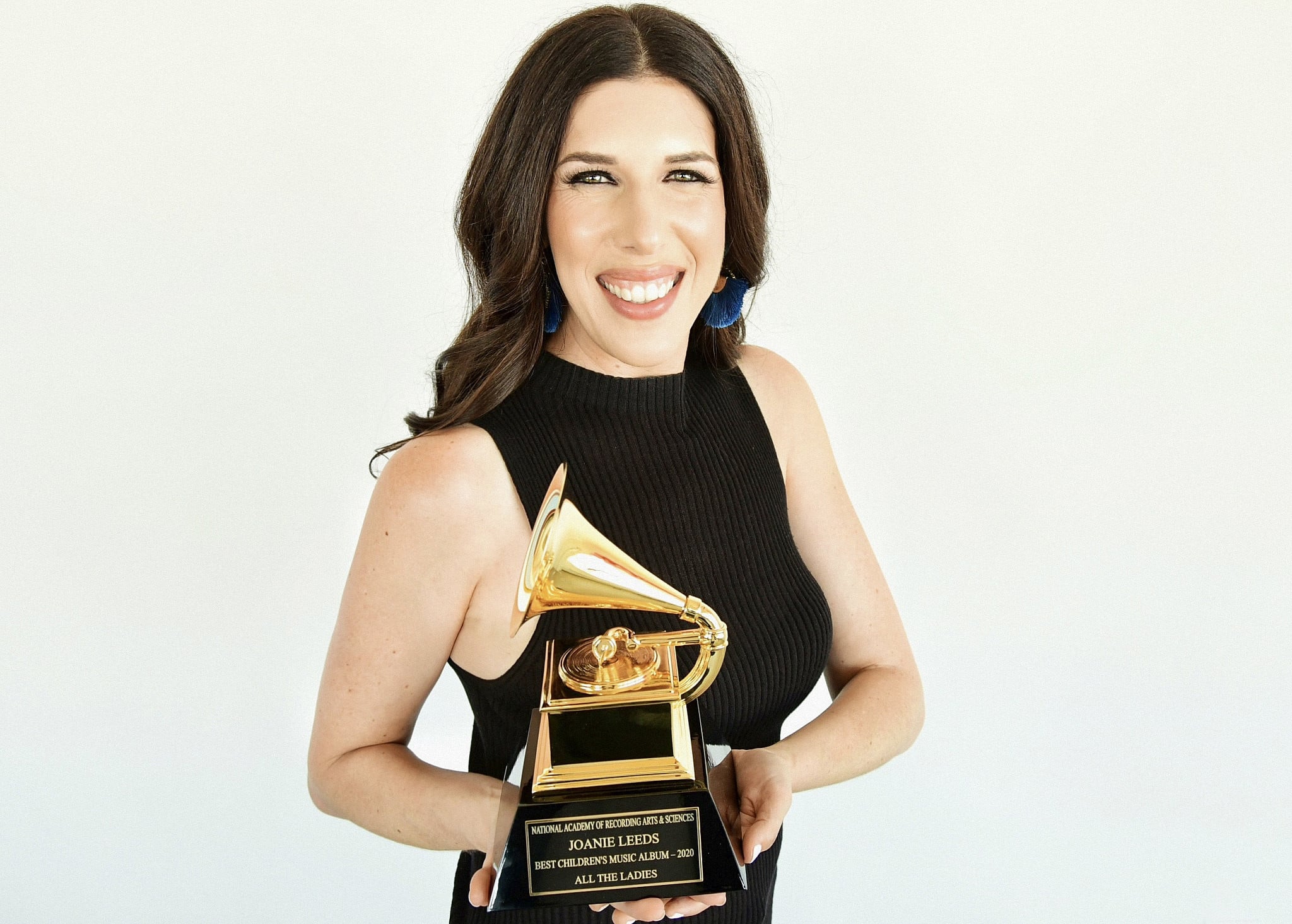
LG: Congratulations on winning a Grammy for your album All the Ladies! What was that experience like?
JL: It’s obviously very special, and I’m very honored because this award was given to me by my peers and other music professionals and people in the music industry. I think the time was right for this specific album to win because the year prior there were barely any women that won, and the music industry made a really big deal about it. It was actually at that Grammys that I sat down with this idea to create an album of all females from beginning to end—the technical side, the engineer, the producer, the photographers that took the pictures, all of the instrumentalists, the vocalists, everything. Because I was so enraged by what had happened the previous year, I guess it was 2018 actually.
And then I read the Annenberg Inclusion Initiative, which had the stats for women in the music industry, and it was so abysmal—the amount of people that were not given the opportunities or stepping up because there just wasn’t room, or it felt unsafe. And I wanted to create a little bit of buzz. So I think a lot of people in the music industry really latched onto the project and enjoyed it because of the story behind it and how it came to be. The album for Bubby is very personal, and this one is also very personal. I try to put that into my music, even though it’s music for kids…so I hope that all comes across.
LG: I see you’re a newly elected Chapter Governor of the NY Chapter Board for the Recording Academy. What does that role entail? Can you tell me about your work to create a Jewish music category?
JL: You know, people think about the Recording Academy, and all they think about is Grammys—the awards, but there’s actually so much going on behind the scenes. We talk about all of the rules and regulations at the Recording Academy, and we’re able to vote on things as a Governor, and we’re basically shaping the way that the music industry is through sitting on the board. Being a part of that on a Governor level is a really special opportunity for me.
A few years ago as a Recording Academy member, I wrote a proposal with a friend of mine (and a couple other people worked on it as well) to try to create a Jewish category. That’s one of the things, by the way, that the Governors in the Awards and Nominations Committee would vote to see about creating new categories or moving things around. It was not passed—and at the time there was a lot of confusion as to why, because there’s a Christian category. But there’s not a lot of us making this type of music.
The Christian and Gospel category is a very healthy category, it’s a huge business. There’s thousands of musicians that make this type of music and it’s a big industry—they make a lot of money and they sell a lot of records. And in the Jewish world, it’s a lot more insular—people aren’t going on Jewish rock tours the same way that the Christian world does. There’s not as many of us and people aren’t buying it in such large numbers, so it’s really up to us to keep making that music and to make sure that people are taking it seriously.
So what I’ve been trying to do over the past couple of years is to bring more people that make Jewish music into the Recording Academy so that they would be able to vote. And then in a couple of years, once we have a healthy ecosystem of voters and people that are members, we can then keep track of all the albums that are being submitted that don’t actually have a category. There’s no Spotify category for “Jewish”—everything gets put in random categories, like it’ll be in “Folk.” If we just had one category, it would be so much easier.
Obviously I think Jewish music is beautiful—I’ve always written Jewish music, I’ve led Jewish music, I lead services on High Holidays, so there’s so much music out there and there’s just no home for it. So that’s my goal—to spread awareness and hope one day that it’ll happen. It’s an uphill battle…I’m playing the long game, but I haven’t given up on it yet.
LG: In today’s environment, I’m so grateful to anyone living as a proud Jew and sharing Jewish joy with the world. Was it a conscious decision for you to bring your Jewish roots into your music?
JL: Yes. I have been working in temples in the Early Childhood Jewish music world since I was in my very early twenties, and when I was in high school I was a songleader. So Jewish music has always been a huge part of my identity. I’m not a very religious person, but the music and the culture, the food, the holidays—that’s what really resonates to me, and I think it’s all very beautiful and I want to share it with the world.
And while I make secular music (I only have two Jewish albums—I would call the Bubby album Jew-ish) I always try to put a song or two on an album that is kind of like the Jew-ish song. In my album Brooklyn Baby! for example, it’s all about living in New York City in Brooklyn, but I have a song called “Shayne Punim,” which has a bunch of Yiddish phrases because it’s very Brooklyn.
We’ve got wonderful values and I try to put that in the music—not just for the Jewish kids, but the kids that are outside of the Jewish world. Maybe some people would be scared to do that, but to me it’s just sharing my culture, and it seems like today it’s even controversial to do just that. But I feel like I owe it to my ancestors to just keep it going—it’s a miracle that we’re all here right now because of the choices that our ancestors made. So I’m just trying to pay it forward and do things in a positive way.
Joanie—thank you for spreading Jewish joy through your songs and working to give Jewish music a home. Your voice is appreciated in more ways than one.
__
Let the streaming begin! Listen to Ageless: 100 Years Young on Apple Music, Spotify, Amazon Music, or anywhere you stream music.
Visit joanieleeds.com for more info and keep up with Joanie on Instagram.