
Managing Director, Horn Finance Initiative
US Bill Could Unlock Somaliland’s Finance Future
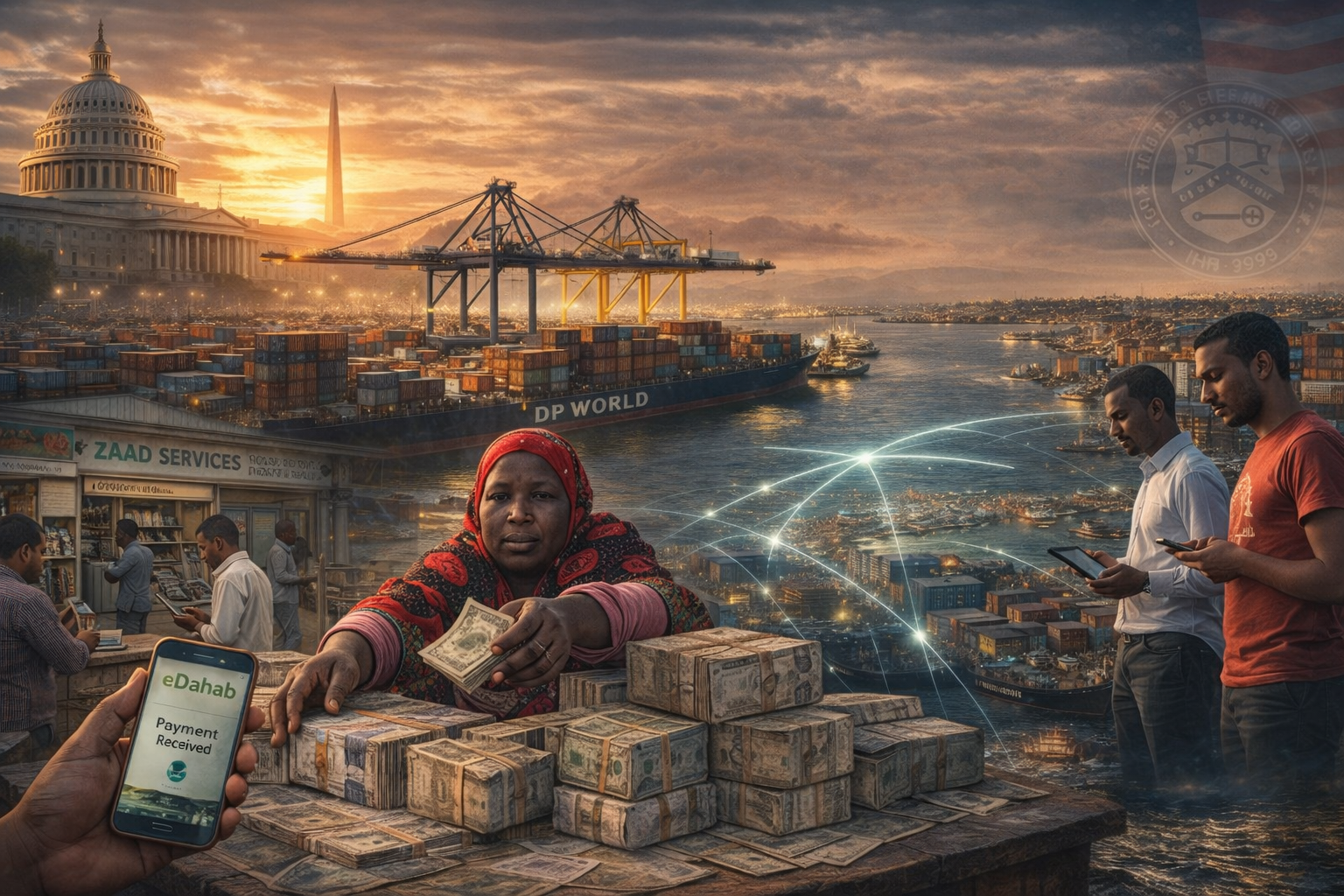
In the often-slow-moving machinery of Washington policymaking, even a narrowly framed bill can signal a much larger strategic shift. That is precisely the case with H.R. 7993, introduced on March 19, 2026, by Congressman John W. Rose and referred to the House Financial Services Committee. []
At first glance, the bill appears technical. It directs the U.S. Treasury to produce a comprehensive report on the barriers preventing Somaliland from accessing the United States financial system. But beneath this procedural language lies something far more consequential: recognition.
Not formal diplomatic recognition yet, but a meaningful acknowledgment that Somaliland exists as a distinct financial and economic entity worthy of direct policy attention.
From Isolation to Financial Visibility
For decades, Somaliland has operated in a paradox. It has maintained peace, built functioning institutions, and fostered a private-sector-driven economy along one of the world’s busiest maritime corridors, yet remains largely excluded from global financial systems. []
This exclusion is not just political. It is deeply operational.
Banks in Somaliland struggle to establish correspondent banking relationships. International transactions are often routed indirectly, increasing costs and delays. Compliance risks—real or perceived—discourage global financial institutions from engaging. These challenges mirror broader global trends of financial “de-risking.” [] []
H.R. 7993 targets this exact bottleneck.
Why This Matters for Somaliland’s Economy
If taken seriously and followed by policy action, the implications could be transformative.
- Restoring Correspondent Banking Channels
Somaliland’s financial institutions could gain clearer pathways to engage with U.S. and global banks, reducing transaction costs and improving liquidity. []
2. Unlocking Investment Flows
Investors, particularly from the United States, Gulf states, and increasingly Israel often hesitate due to financial access constraints. []
3. Strengthening Compliance and Governance
A U.S.-led assessment would likely push for stronger AML/CFT frameworks aligned with global standards. []
4. Leveraging the Mobile Money Advantage
Somaliland’s telecom-driven financial ecosystem has already achieved widespread digital financial inclusion. []
Strategic Implications Beyond Finance
The bill also carries geopolitical weight.
At a time when global powers are reassessing supply chains and trade corridors, Somaliland’s location along the Gulf of Aden makes it increasingly relevant. Infrastructure investments in Berbera Port reinforce this strategic positioning. []
For Americans and Israeli businesses exploring East Africa, this development is particularly significant. Financial access is often the first barrier to entry. If addressed, Somaliland transitions from a “promising but difficult” market to a “frontier opportunity with improving access.”
A First Step—But Not the Last
H.R. 7993 is not a solution in itself. It is a diagnostic tool.
Reports do not move capital—policy does.
However, in international finance, diagnostics matter. They shape narratives, inform regulators, and guide institutions. []
A Defining Moment for Financial Reform
For Somaliland, this is a strategic window.
Authorities, banks, FinTech firms and private-sector actors must proactively engage:
- Provide transparency and data
- Accelerate regulatory reforms
- Strengthen financial supervision
- Align with global compliance standards
Conclusion: Recognition Through Functionality
In international relations, recognition does not always begin with flags and embassies. Sometimes, it begins with systems—financial systems, regulatory frameworks, and institutional engagement.
H.R. 7993 represents that kind of recognition.
It signals that Somaliland is no longer invisible in U.S. financial policy. And if followed by action, it could mark the beginning of a new chapter—one where Somaliland is not just stable, but fully connected to the global economy.
For investors watching from Washington, Tel Aviv, or Dubai, the message is clear:
Somaliland is moving from the margins toward the mainstream.
Related Topics
Related Posts