Yishai Fleisher on the Hebron’s Future
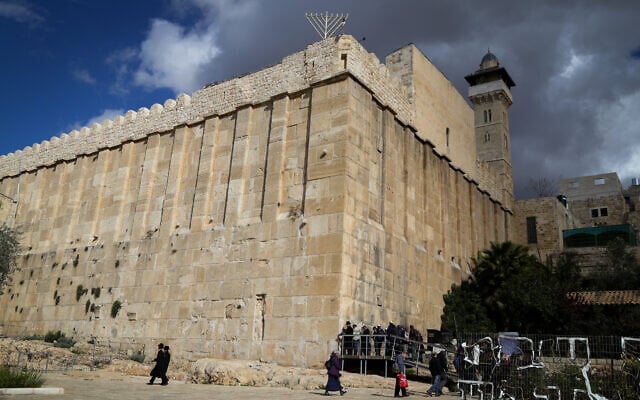
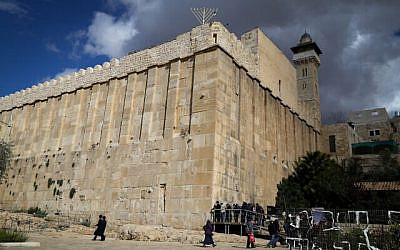
Hebron is not just a place on a map — it is where Jewish history began. It’s where Avraham Avinu purchased land to bury Sarah, where King David first ruled, and where Jewish presence never truly ended, despite centuries of exile and resistance. In today’s headlines, Hebron is often portrayed as controversial. But to understand its future, I turned to someone who lives it every day: Yishai Fleisher, international spokesperson for the Jewish community of Hebron.
Fleisher doesn’t speak in soundbites. He speaks in vision. And his message to me was clear — Hebron is not a conflict zone. It’s the front line of Jewish restoration.
“Hebron Will Never Be Cut Out”
“Hebron will always be part of the Jewish state and the Jewish consciousness,” Fleisher told me. “It will not be cut out. It will not become a Palestine. It will revert to its natural roots — historic, biblical, and archaeological.”
To him, the return to Hebron is part of what he calls an “organic revival” — not a political stunt or a provocation, but a natural reawakening of the Jewish soul.
“Israel is an organic revival,” he said. “It’s coming back to what it was — just taking back what was on break for a while.”
Not Just for Jews
Fleisher’s vision is not one of isolation, but of strength with fairness.
“There are Arabs here who are disenchanted with the PA and Hamas,” he told me. “They look at Gaza and say, ‘We don’t want that.’ They want decency, opportunity, and a future under Israeli sovereignty.”
He doesn’t see Hebron as an ethnically exclusive city, but as a place where anyone who rejects jihad and respects Jewish sovereignty can build a future.
“They are also the children of Abraham,” he said, “but the jihad must go.”
The Next Big Thing
“Jewish Hebron is the next big thing,” Fleisher said with certainty.
He envisions a city that will thrive — filled with tourism, factories, archaeological discovery, and a renewed sense of pride.
“This ancient and biblical city will be reborn and renewed in our time.”
A City That Tells Our Story
Hebron is more than stone and history — it’s a statement of identity. It’s where we remember who we are and where we’re going. Fleisher’s vision is bold, but deeply rooted in truth: Hebron doesn’t belong to extremists or to politicians — it belongs to the Jewish story. And that story isn’t finished yet.
As a 17-year-old in the diaspora, I don’t just look at Hebron as a place on the news — I see it as my future. I hope to make Aliyah, serve Am Yisrael, and be part of the story that Yishai Fleisher is helping write. Because the return to Hebron isn’t just a return to land — it’s a return to who we are.