8 Jewish Lessons to Live with More Meaning and Joy
In a world filled with chaos and constant distraction, it’s easy to lose sight of what matters most. Gratitude, hope, and the simple joys of everyday life often slip from our awareness. Yet the Jewish calendar, especially as we prepare for the High Holidays, invites us to pause, reflect, and begin anew.
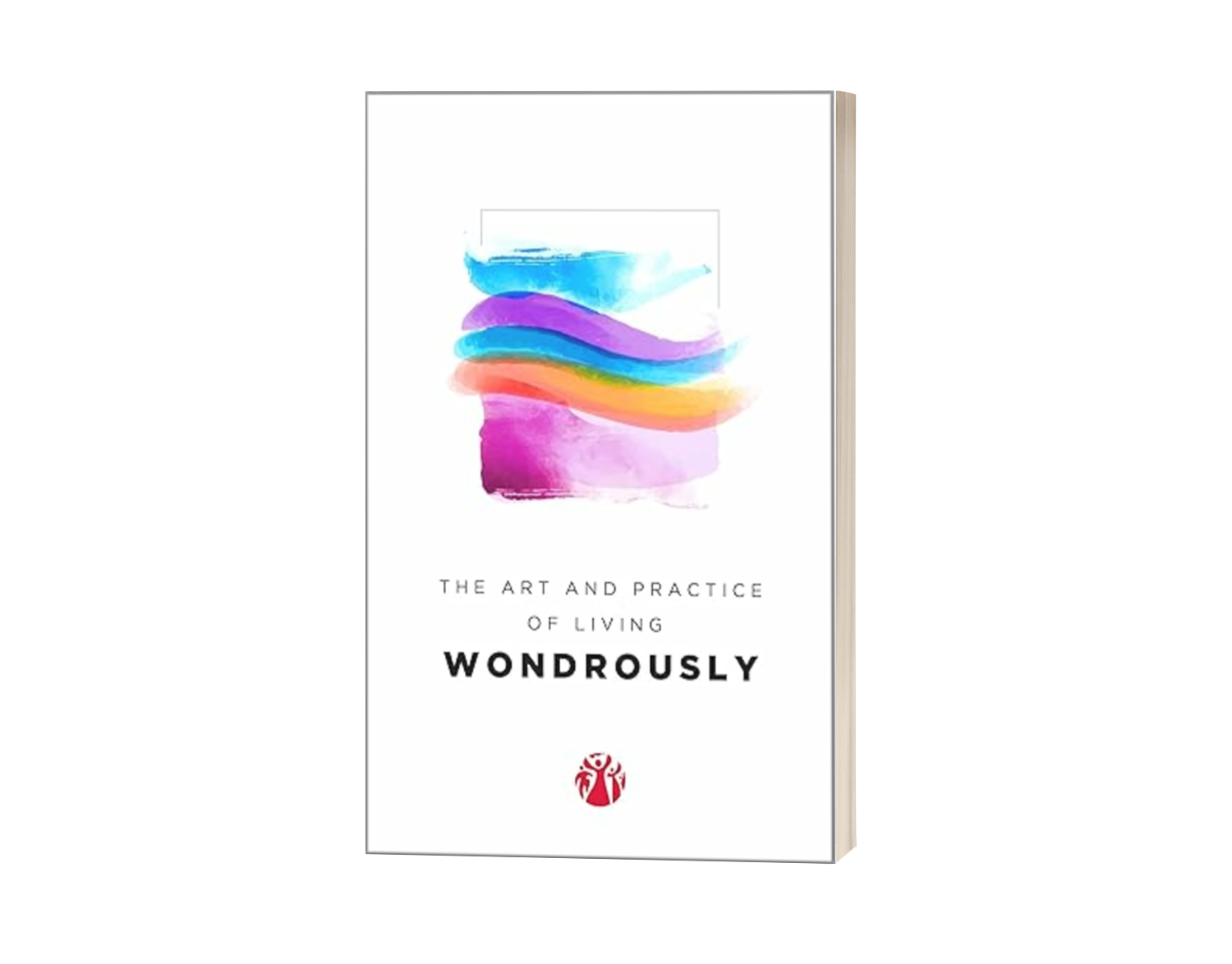
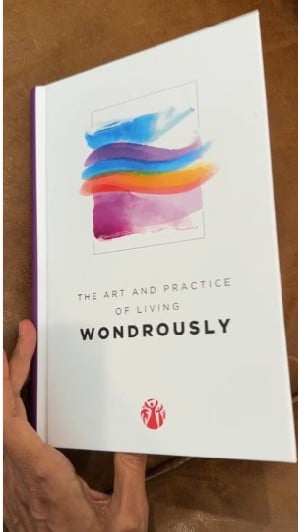
A new anthology reminds us that wonder is not a fleeting emotion but a discipline we can cultivate. The Art and Practice of Living Wondrously, edited by Dr. Ronit Ziv-Kreger, brings together 37 experts in psychology, Jewish thought, and communal life who share wisdom, personal stories, and practical tools for living with greater joy and intention.
The book grew from a survey conducted by Momentum Unlimited that asked thousands of Jewish women to identify the most pressing issues in their lives. The responses —relationships, resilience, and hope — became the framework for the essays. For me, this book has been a source of profound inspiration.
Here are eight lessons that resonate deeply this High Holiday season.
- Cultivate Friendships with Intention
“Through connection we have the power to transform ourselves,” writes couples’ therapist Hedy Schleifer. Yet too often we stay stuck in our own heads, flooded by emotions and anxieties that cloud our interactions. Schleifer teaches us to “cross the bridge” into another person’s world, creating a positive relational space.
Moreover, neurobiologists have recently discovered that deep relationships affect our brain. “It turns out that our friendships and love connections change our brains to be able to respond more consciously and intentionally rather than get hijacked into automatic reactivity.” Our friendships can give us the gift of connecting and feeling more whole.
Let us embrace our friends with intention and an open heart.
- Choose Small Rituals that Uplift
Many of us scroll headlines before we even sip our coffee, starting the day with distress and despair. Instead, make space for rituals that elevate: a poem, a psalm, a song, or a walk outdoors. Rituals need not be grand to be sacred; they simply need to direct your attention toward mindfulness and gratitude. Dr. Edith Eger suggests: “When you wake up in the morning, go to the mirror and look at yourself. Speak lovingly: “I am powerful.” “I am worthy.” “I am a good friend.”
Similarly, Mel Robbins’ High Five Habit encourages us to literally high-five ourselves in the mirror—a practice shown to boost confidence, spark joy, and maybe bring out a giggle, too.
These small rituals need not be ceremonious; they simply need to open the day with intention.
- Tell Better Stories
A common theme amongst the essays in The Art and Practice of Living Wondrously is the role of stories: the inner thoughts we unintentionally tell ourselves; the narratives we share with our children and how they impact their ability to handle challenges; and listening to the elderly.
Motivational speaker Nili Couzens, in her essay “Raising Good Adults” reminds parents: “Tell stories that illustrate your values. Talk about your failures. Tell your children how you built your own resilience. Tell them God gives partial credit and second chances.” Further on, she addresses the challenge of navigate the rise in antisemitism: “Tell your children we never gave up hope; that the Jewish People will always survive, because Am Yisrael chai.”
Educator Dasee Berkowitz suggests that when families encounter difficulty, we recall past moments when good decisions brought resolution. This transforms helplessness into empowerment.
“Stories have the power to awaken,” Ronit Ziv-Kreger writes.
Ask yourself: what story am I living? Is it one of fear and helplessness, or one of courage and possibility?
- Listen to Others
One of the anthology’s strongest themes is the art of listening. Dr. Erica Brown calls it “sacred listening”— “Listening with the goal of understanding, connecting, and hearing the divine spark in someone else’s words.” She elaborates, “It is listening purely to see and to honor someone else’s humanity — the place where one soul touches another through the gift of silent attention.” While Dr. Brown relates to those in leadership positions, her points can surely apply to any relationship, even those that are tense.
Differences of opinion inevitably arise, especially in our highly-polarized time. Abi Dauber Sterne’s “Transforming Arguments into Learning Experiences” reminds us that healthy, constructive arguments begin with listening and gathering information, rather than hunting to disprove a point.
While we often shut down in an argument, disregarding differing opinions, the Sages remind us to “make for ourselves a heart of many chambers” (Tosefta Sotah 7:7) – open our hearts and “make room for multitudes”. This doesn’t mean we need to change our opinions, but enables us to at least hold space for others.
- Dedicate Time to Honor Your Aging Parents
“Honor your father and mother” evolves in meaning across our lives. As children we depend on our parents; as adults, we begin to see them as whole human beings, with strengths and flaws alike. Eventually, roles may reverse, and we must support them.
Writer Jane Isay reminds us to do so with tenderness and patience, to remember how patient they were with us when we were growing up. Rabbi Dr. Binyamin Lau emphasizes that our time with parents is finite and precious.
This year, resolve to spend more of it with them—not out of duty alone, but out of gratitude for the love and sacrifice that have shaped us.
6. Embrace Uncomfortable, Even Painful Emotions
The Torah does not shy away from stories of grief, anger, and despair. These narratives teach that painful emotions are part of the human experience. Popular scholar of positive psychology Dr. Tal Ben-Shahar warns that repressing emotions only strengthens them. By acknowledging and expressing sadness, anger, or fear—whether through journaling, therapy, or tears—we allow them to pass. “If we want to experience happiness, we must allow ourselves to also experience unhappiness,” he writes.
Author and spiritual leader Rabbi David Aaron explains that Judaism does not teach us to avoid grief but to enter it fully: “The way to heal from grief is by grieving.” Even in sorrow, meaning can emerge.
To know happiness, we must also allow space for unhappiness.
7. Be Flexible + Adapt = Be Happy.
We live in a world with so much uncertainty. Careers shift, family roles evolve, and loved ones may choose life paths that surprise us. Bestselling author Bruce Feiler in his essay “The Secrets of Happy Families”, shares research showing that happy families are constantly adapting. “Want to have a happier family?” he writes. “Tinker with it all the time.”
- Let Go of Guilt
In the spirit of Elul and teshuva, and forgiveness, Dr. Edith Eger shares her insights into forgiveness. The trauma specialist, internationally-acclaimed author and Holocaust survivor writes, “We feel guilt when we think something is our fault. It keeps us stuck in the past. It makes us feel like no matter what we do, it will never be enough.”
She contrasts guilt with presence: guilt dwells on the past, worry frets about the future, but true living happens in the now. By releasing guilt, we reclaim the ability to act, change, and forgive—ourselves and others.
***
This anthology weaves together diverse voices, offering practical steps for a more hopeful life. The common thread is clear: transformation begins in the present, “right in this exact moment when we can choose something different,” says environmental activist Nigel Savage.
As the High Holidays approach, we are asked not for perfection but for presence. Listen deeply. Strengthen friendships. Acknowledge others. Choose rituals to develop gratitude and intention.
Living wondrously does not mean ignoring hardship or being naive. It’s about noticing the people around us, remembering who we are and where we came from, and learning from those around us. It’s about recognizing that just as there may be pain, there can also be joy, meaning and fulfillment.
May we be written in The Book of Life and experience a better, more calm year ahead.