


A discreet diplomacy towards a strategic shift
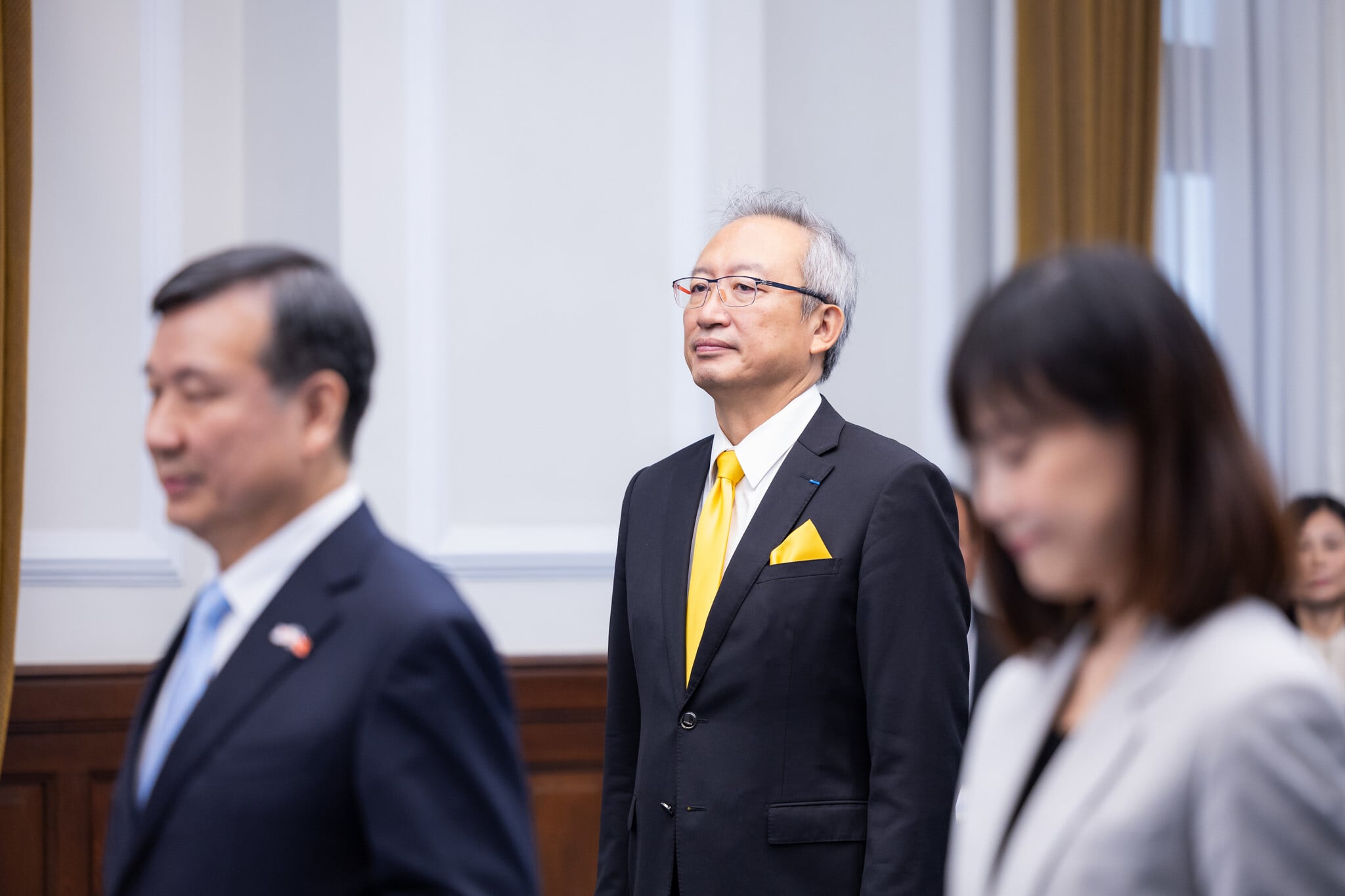
The revelation of a “secret trip” by the Taiwanese deputy foreign minister to Israel is not only a diplomatic detail. It is a strong signal: In a world where polarization is on the rise, medium-sized governments are looking for new allies as the Indo-Pacific and Middle Eastern geopolitics become linked. Taipei and Jerusalem are working toward a technological and security-based strategic convergence, taking into account the precarious positions of two democracies facing intense external pressure.
For Taiwan, the trip is part of a well-defined strategy: to diversify its partnerships in a context of military and diplomatic pressure from China. As Beijing expands its global influence and intensifies military exercises around the island, Taipei looks for partnerships outside of the conventional Washington-Tokyo axis. Israel is a state with long-standing security experience and an actor capable of offering sensitive cooperation—cybersecurity, intelligence, passive defense, and dual technology. In geopolitical terms, this secret visit is akin to a quest for resilience: Taiwan cannot afford to be exclusively dependent on its powerful allies.
The Israeli side’s interest is no less evident. For several years, Israel has been seeking to strengthen its presence in Asia, a region that represents both a market and a diplomatic space in recomposition. Its relations with China have long been solid, particularly on the economic level, but they have gradually become more complex under American pressure. Washington has dissuaded Jerusalem from accepting certain forms of Chinese investment in strategic infrastructure, and the US administration—whatever it may be—continues to closely monitor sensitive Israeli-Chinese cooperation.
In this context, strengthening ties with Taiwan offers Israel an alternative that fits perfectly with its reorientation towards the technologically advanced democratic economies of Asia. This relationship remains, however, delicate: Israel does not have an interest in openly offending Beijing, which remains a key economic partner. Therefore, maintaining confidentiality is crucial. The choice of a secret trip illustrates the Israeli diplomatic tightrope: developing strategic ties with Taiwan without giving China the impression of a hostile realignment.
Beyond this bilateral calculation, the meeting reflects a broader dynamic. In a fragmented world, middle powers are weaving more and more discrete networks to strengthen their strategic autonomy. Taiwan and Israel share several characteristics: the lack of guarantees of a formal alliance, reliance on technology to offset their vulnerabilities, exposure to asymmetric threats, and the need to anticipate the evolution of Sino-American rivalry. Shadow diplomacy has become their natural tool.
Moreover, this rapprochement is part of a shift from the Middle East to Asia. The states of the region—including Israel—know that the global economy is now played out between India, China, Japan, Taiwan, and South Korea. Asian partnerships are becoming unavoidable, whether it is energy, technology, or defense. Israel’s interest in Taiwan is also explained by this reality: positioning itself in the Indo-Pacific, even indirectly, means being part of the region that will determine the strategic pace of the 21st century.
Therefore, the secret visit of the Taiwanese official is not merely a “discreet incident.” It illustrates the reconfiguration of a world where traditional alliances are no longer enough and where states, whether island or regional, seek to secure their future through flexible, sometimes confidential partnerships. By bringing closer together Taiwan and Israel, two democracies under pressure and technologically advanced, this episode opens the way for a deeper but still cautious cooperation, in an era where diplomacy is played as much in silence as it is under the spotlight.