
11 questions to help students hold on to their momentum as leaders
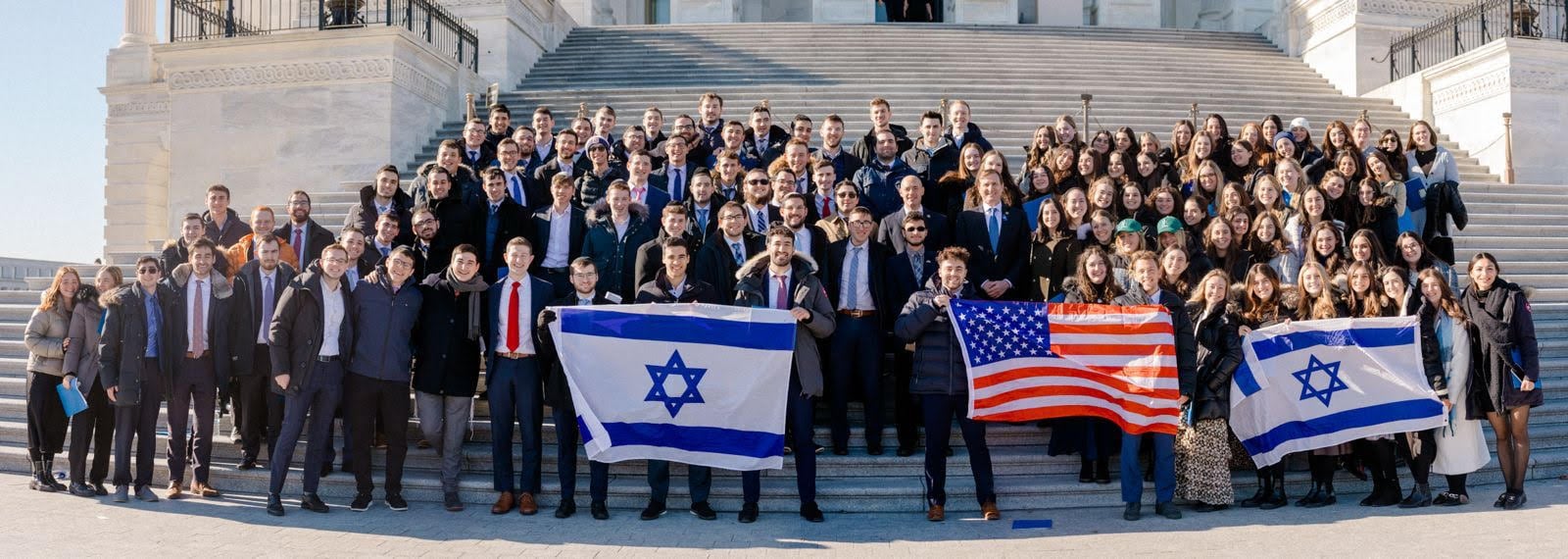
If we want to groom the next generation for leadership greatness, we have to think harder about leadership continuity throughout the teen and odyssey years, the transitional time between adolescence and adulthood. Gap year programs should ideally be leadership laboratories that stress responsibility along with self-growth. This will benefit the colleges they attend, the jobs they select, and the communities they help support later in life.
“At the heart of Judaism,” wrote Rabbi Jonathan Sacks, “are three beliefs about leadership: We are free. We are responsible. And together we can change the world.” The first of seven principles he established about leadership is taking responsibility.
* * *
One of the most hopeful aspects of my work is interviewing dozens of ambitious, talented Jewish day school seniors for some of Yeshiva University’s leadership cohort programs. Each year, I am astonished at just how many roles and obligations their young shoulders carry on top of strenuous academic demands. In addition to navigating a dual curriculum, they are running youth groups while captaining the ice hockey team and editing the school newspaper. In smaller schools, many students are assuming even more leadership roles. These young people have a highly attenuated sense of responsibility for others, and it’s inspiring.
High school students often sign up for leadership roles to impress college admissions teams, so we make a point of assessing the skills they’ve developed. Can they recruit well? Are they accountable when something goes wrong? Have they learned how to run meetings, create effective programs, speak publicly, fundraise, and negotiate competing values and demands? Have they had uncomfortable conversations with peers about commitment and follow-through, and have they learned how to evaluate what they’re doing? We ask them to discuss a leadership mistake, how they behaved in the moment, and how they might have handled it better with hindsight.
Their answers so often show a level of maturity and insight that will pave the way to a life of service and contribution to the Jewish community and beyond when they step into adulthood. They’re already demonstrating autonomy, capacity and grit. And nothing fills me with more optimism for the Jewish future.
But I’ve noticed something strange. By the time they get to college campuses, some of those same students are uninterested in assuming leadership roles. They don’t get involved. Was their roster of achievements really just to get into college or get a scholarship or was it a genuine spark of sacrifice for something larger than themselves? I wonder what dials down their ambition and their desire to contribute.
It’s as if an important leadership muscle has atrophied over the gap year or two.
The majority of graduates from Orthodox day schools spend at least a year or two in Israel. This is a critical, life-shaping time where many buckle down and take Jewish learning and literacy more seriously, ask faith-based questions, and claim independent ownership of their Judaism. They are privileged to study with remarkable rabbis and educators and “become dusted by the earth of the Sages’ feet,” as the saying goes in Ethics of the Fathers 1:4. With the help of caring mentors, these students develop better discipline and understand, in ways they didn’t before, that character matters. Intellectual devotion matters. Religious piety matters. Dedication matters. These are incredible gifts that help them approach college with a seriousness of purpose twinned with a newly cultivated curiosity.
Yet, there may be something lost along the way; the universe of these students’ concerns suddenly narrows a great deal. While some programs stress service, most do not. Students begin to splinter into socially homogeneous groups, and many become singularly focused on learning to the exclusion of other aspects of righteous living. The hallmark of kindness associated with Abraham often becomes gendered; hesed matters… if you are a young woman. And a certain leadership vitality and desire to churn their talents outwards, broaden their horizons, and grow their sphere of influence shrinks.
In many gap year programs, there are few opportunities to exercise leadership, and certainly not to the extent that students did in high school. Israelis in these programs will go on to lead in the army or in national service. But in the United States and elsewhere, some of the very same outstanding students who gave so much in high school take a hiatus in Israel that sadly leads to a hiatus in college. They may not even recognize their younger selves.
Of course, learning is essential to building a self that can give more. Self-development funnels study into personhood. College is a time when students figure themselves out as they individuate, choose majors, select career paths, make new friends, and think about the kind of families they one day want. Some young men and women who know they will work in the Jewish community professionally double down on their learning for many years so that they will be adequately prepared for a future of Torah-oriented service. As they should. But this is a minority. The Talmud advises us to fix ourselves before we go out to fix others (BT Bava Metzia 107b). College is a time when every student should declare as Hillel did: “If I am not for myself, who will be for me?” (Ethics of the Fathers 1:14).
But Hillel also famously said in the same breath, “If I am only for myself, who am I?”
* * *
How can we better prepare these bright minds for a future of leadership? Jewish law mandates tithing income for charity. I have found it helpful to think of time as a commodity we also tithe for service and leadership. Here are some questions students in their gap and college years can ask themselves:
- Am I willing to tithe my time?
- If I do tithe my time, who should benefit most from it?
- If I am focusing on self-growth during the school year, how can I give more to others during weekends and summers?
- How might I continue some of my leadership activities in high school in some form in Israel and in university?
- If I am sacrificing years to learn, how will I find mentors and programs to help me strengthen or develop necessary leadership skills for genuine impact later?
- Am I subcontracting hesed and responsibility for my community to others so that I am unlikely to revisit these parts of my former life in the future?
Here are some questions that gap year program administration and faculty might ask to stimulate conversations:
- Can we identify and name leadership roles we currently offer students and make them a more explicit part of student growth?
- Can we offer more?
- Are there tasks and services we are offering that we can deputize to students?
- Can we provide seminars and classes that teach Torah through a frame of leadership so that students see service as organic and foundational to a meaningful Jewish life?
- As the gap year closes and we prepare students for their next steps, have we encouraged them to take leadership roles in college so that they emerge as the next generation of leaders?
College administrators, faculty and staff must also cultivate a more effective leadership pipeline by approaching students right at the beginning of their campus years and find out how to maximize their leadership during college. Continuity of leadership means engaging with the administrations of gap year programs to find out how best to create a seamless transition to new responsibilities. We have to find more leadership opportunities for student talent and make sure the best and the brightest get the training they need because we are in a leadership crisis. The demands we all face now are not small.
With the state of higher education post-October 7, we cannot afford to have our most talented young leaders duck out. All of that talent cannot disappear for three or four years. We need Jewishly knowledgeable young people to lean in now more than ever to create safe and meaningful communities for Jews who may feel isolated or afraid to identify Jewishly. We cannot outsource leadership, activism, or hesed to someone else. And we have to be honest with ourselves: Material, lifestyle choices often transform many of the most idealistic students into those who suddenly become ambitious for themselves and not ambitious for a better world.
Rabbi Sacks, in his Letters to the Next Generation wrote, “Never worry when people say that you are being too idealistic. It is only idealistic people who change the world.” It’s Elul. Many young people are traveling to Israel right now for an intensive, immersive experience. May it be among the best year/s of their lives. May it be filled with blessing and growth and more leadership opportunities so that they can fix themselves while fixing this broken world. It may be bruised and frightening at times, but it is still a beautiful world, and it’s the only one we have.