A Good Name — Sh’mot 5786
Last week, I was stopped on the street by a woman who smiled and said hello. I smiled back and said hello.
Then she said, “You don’t remember who I am, doooo you?
“Of course I do.”
I didn’t.
She continued, “I haven’t seen you in years.” We smiled, and she rushed off to her lunch engagement.
Sometimes those awkward moments end mercifully.
But sometimes they don’t. Sometimes people keep pushing.
“So… what’s my name?”
And the truth is: sometimes, I don’t remember.
Remembering names can be a challenge.
And it’s why I try to introduce people to one another, even when they may already know each other.
I might even overdo it.
But I do it intentionally — I try to model a practice and spare people feeling embarrassed.
Because names matter.
*****
This week, we began a new book of the Torah.
The second book.
You might know it by its English name: the Book of Exodus.
But in Hebrew, its name is Sh’mot.
Literally, the Book of Names.
The book opens not with drama, or miracles, not with oppression or redemption — but with a list of names.
וְאֵלֶּה שְׁמוֹת בְּנֵי יִשְׂרָאֵל הַבָּאִים מִצְרָיְמָה…
“Now these are the names of the children of Israel, who came into Egypt…”
Before slavery. Before Pharaoh.
Before the Plagues. Before the Sea. Before Sinai.
There are names.
And it’s fitting that once the Torah finishes listing names, it gives us one name that changes everything: Moshe.
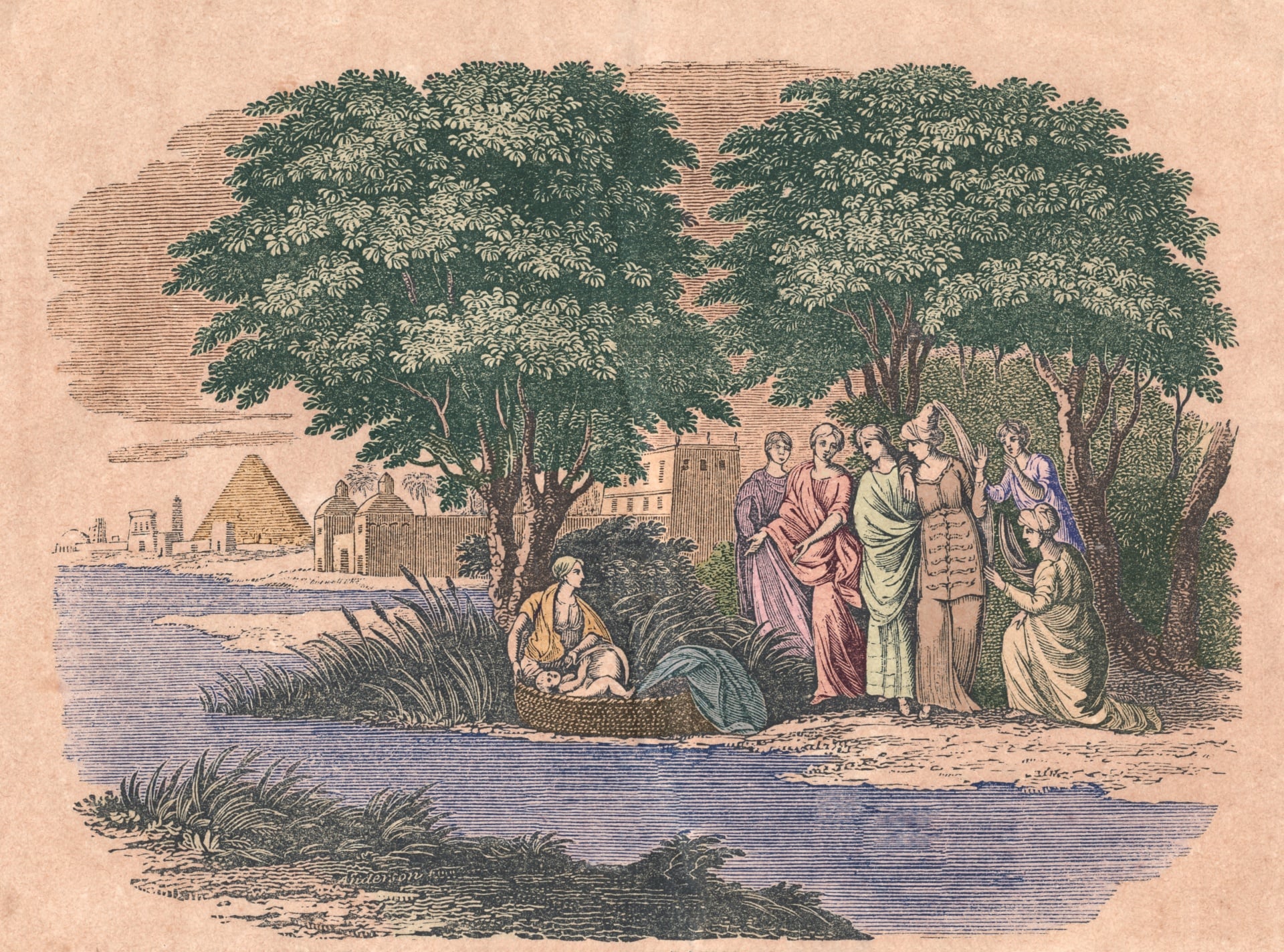
וַיִּגְדַּל הַיֶּלֶד וַתְּבִאֵהוּ לְבַת־פַּרְעֹה וַיְהִי־לָהּ לְבֵן וַתִּקְרָא שְׁמוֹ מֹשֶׁה וַתֹּאמֶר כִּי מִן־הַמַּיִם מְשִׁיתִהוּ׃
“And the child grew, and she brought him unto Pharaoh’s daughter, and he became her son. And she called his name Moses, and said: ‘Because I drew him out of the water.’” (Ex 2:10)
A play on the word – drawing out – m’shee’tea’hu.
Moshe is named by an Egyptian princess, raised between worlds, and his name carries a destiny: he is “drawn out” — and he will draw others out. His name is a reminder that sometimes our names aren’t just labels; they are callings.
But then comes what may be the most powerful scene involving a name in the entire Torah.
וַיֹּאמֶר מֹשֶׁה אֶל־הָאֱלֹהִים הִנֵּה אָנֹכִי בָא אֶל־בְּנֵי יִשְׂרָאֵל וְאָמַרְתִּי לָהֶם אֱלֹהֵי אֲבֹתֵיכֶם שְׁלָחַנִי אֲלֵיכֶם וְאָמְרוּ־לִי מַה־שְּׁמוֹ מָה אֹמַר אֲלֵהֶם׃
“And Moses said unto God: ‘Behold, when I come unto the children of Israel, and shall say unto them: The God of your fathers has sent me unto you; and they shall say to me: What is (His) [God’s] name? What shall I say unto them?’” (Ex 3:13-15)
וַיֹּאמֶר אֱלֹהִים אֶל־מֹשֶׁה אֶהְיֶה אֲשֶׁר אֶהְיֶה… כֹּה תֹאמַר לִבְנֵי יִשְׂרָאֵל אֶהְיֶה שְׁלָחַנִי אֲלֵיכֶם׃
“And God said unto Moses: ‘I WILL BE WHAT I WILL BE’; and God said: ‘Thus shall you say unto the children of Israel: I WILL BE has sent me unto you.’”
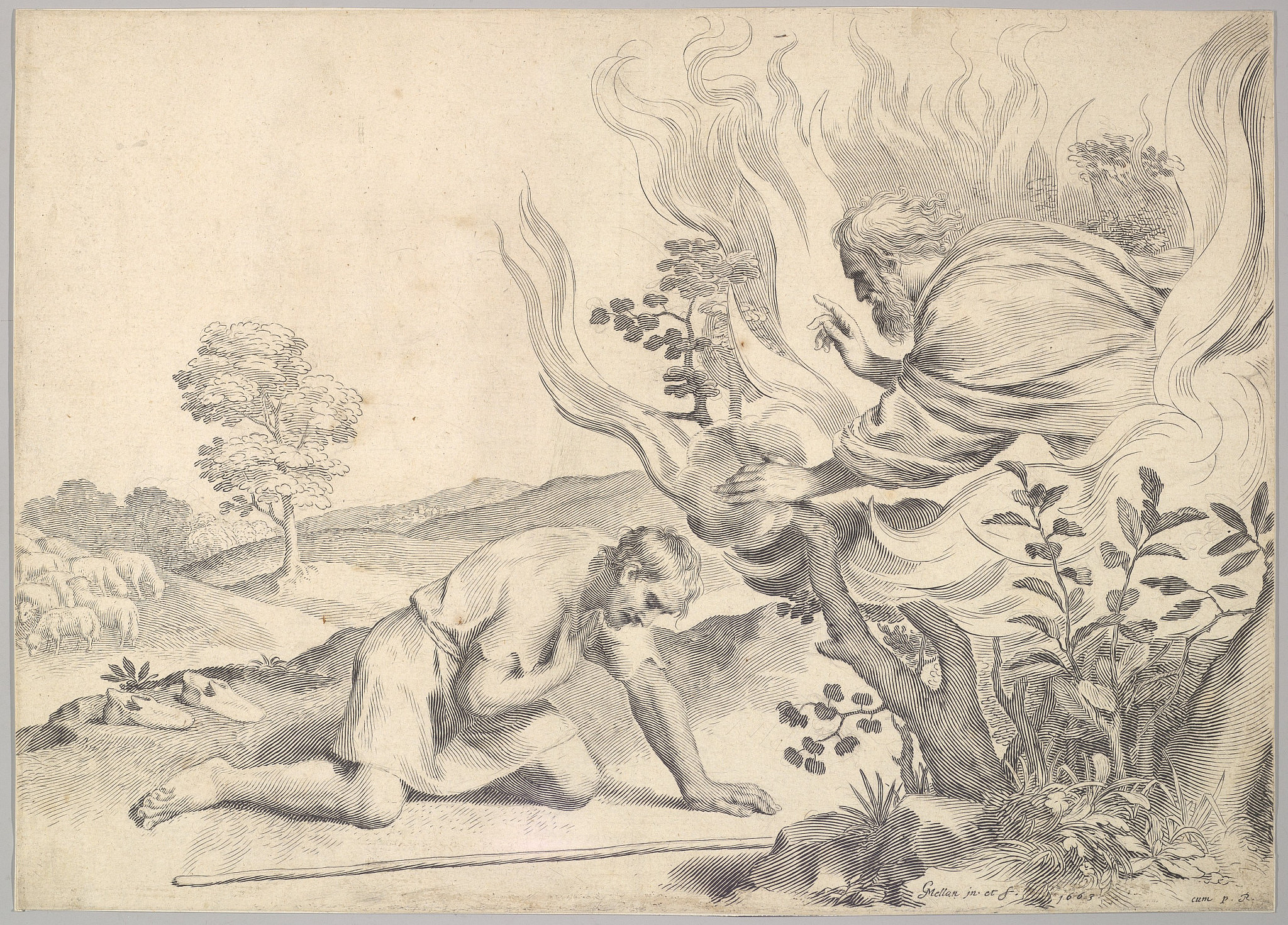
God’s name is not a noun. It’s a verb. Ehyeh — I will be.
Jewish tradition offers multiple interpretations of this mysterious name.
First, God as Presence / Accompaniment: Ehyeh can be heard as “I will be with you” — not a philosophical idea, but accompaniment in crisis.
Second, God as Existence itself: Maimonides hears this as the deepest language of Being — God not as one “thing” in the universe, but existence itself.
Third, God as Becoming (this is the key one for me): Ehyeh is future-tense — “I will be” — a God encountered in unfolding, in moral progress, in the next step we take.
And if God’s name is Becoming, then covenantal life is becoming too: we do not just have a name, but grow into one.
That’s why the Torah has name changes. Jacob is born grasping his brother’s heel — ekev — and sure enough, he behaves like a heel – tricking his brother out of the birthright and deceiving his father to get the blessing.
But Jacob doesn’t stay as a “heel.” He wrestles — physically, spiritually, ethically — and he becomes Israel:
לֹא יַעֲקֹב יֵאָמֵר עוֹד שִׁמְךָ כִּי אִם־יִשְׂרָאֵל כִּי שָׂרִיתָ עִם־אֱלֹהִים וְעִם־אֲנָשִׁים וַתּוּכָל׃
“Your name shall be called no more Jacob, but Israel; for You have striven with God and with people, and have prevailed.” (Gen. 32:29)
That’s who we are: B’nei Yisrael — the children of the one who wrestled, the people who struggle with God, with meaning, with ethics, with what it means to become our best selves.
We are not meant to be finished products. We are meant to be becoming.
And the rabbis give us a teaching that feels modern — because it understands that each of us walks through the world with more than one name:
שלשה שמות נקראו לו לאדם: אחד מה שקוראים לו אביו ואמו, ואחד מה שקוראין לו בני אדם, ואחד מה שקונה הוא לעצמו. טוב מכולן מה שקונה הוא לעצמו
“A person is called by three names: one that their father and mother call them; one that people call them; and one that they acquire for themselves. The best of all is the one they acquire for themselves.”
(Midrash Tanhuma Va’Yakhel Aleph)
The name your parent or parents gave you — full of hopes.
The name the world uses for you — reputation, labels, sometimes unfair projections.
And the name you acquire — the self you build through choices.
The Midrash asks us: Which name is running your life right now? The one you inherited? The one someone stuck on you? Or the one you’re earning?
The Mishnah takes all of this — identity, growth, reputation — and turns it into a life plan:
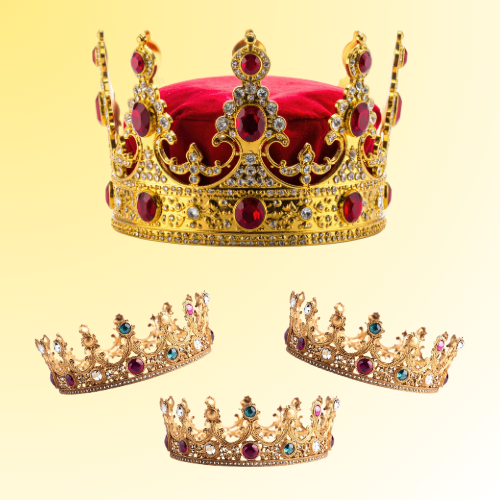
רבי שמעון אומר: שלשה כתרים הם: כתר תורה, וכתר כהונה, וכתר מלכות; וכתר שם טוב עולה על גביהן. (Pirkei Avot 4:1) “Rabbi Shimon says: There are three crowns — the crown of Torah, the crown of priesthood, and the crown of kingship; but the crown of a good name surpasses them all.”
So it’s not the crown of status.
Not the crown of title.
Not the crown of being the most powerful person in the world. The crown of a shem tov — a good name.
Which brings me to a poem many of us know from our Yizkor/Memorial booklets. In 1974, the Jerusalem poet Zelda (Zelda Schneurson Mishkovsky, 1914–1984) published לכל איש יש שם
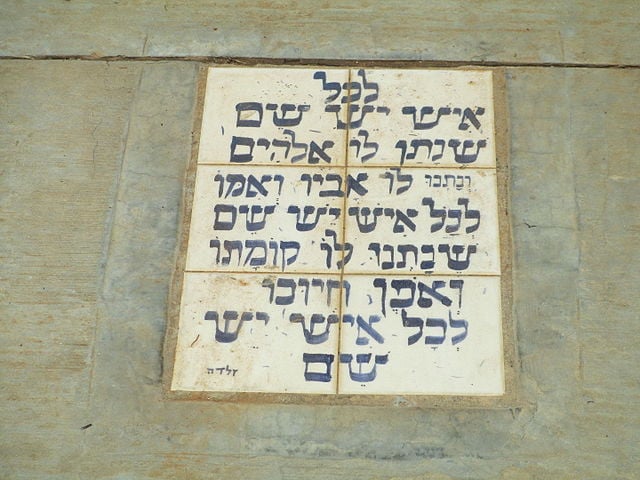
לכל איש יש שם
שנתן לו אלהים
ונתנו לו אביו ואמו…
Each of us has a name
given by God
and given by our parents
Each of us has a name
given by our stature and our smile
and given by what we wear
Each of us has a name
given by the mountains
and given by our walls
Each of us has a name
given by the stars
and given by our neighbors
Each of us has a name
given by our sins
and given by our longing
Each of us has a name
given by our enemies
and given by our love
Each of us has a name
given by our celebrations
and given by our work
Each of us has a name
given by the seasons
and given by our blindness
Each of us has a name
given by the sea
and given by
our death.
So here’s the question the poem forces, and the parashah forces, and the rabbi-who-sometimes-forgets-names forces:
Are we willing to treat each other as full names — layered, complex, evolving human beings?
Or do we reduce each other to one label?
So maybe the invitation of Parashat Sh’mot is this:
First: learn each other’s names. Don’t be shy about nametags. Don’t be embarrassed to reintroduce yourself.
Second: ask yourself the Midrash’s question:
What is the name my parents called me?
What is the name others call me?
And what is the name I am acquiring for myself?
And finally: hear God’s name at the burning bush not as a riddle, but as a direction.
Ehyeh.
I will be.
God is Becoming.
So are we.
May we live in a way that we grow into our best names.
May we help others grow into theirs.
And may we all be blessed — at the end of our lives — with the greatest crown:
A shem tov, a good name.
And let us say Amen.