

I believe in independent, clear, and courageous journalism – especially where injustice is being silenced
A Hero Remembered: The Life and Legacy of Ariel Sosnov
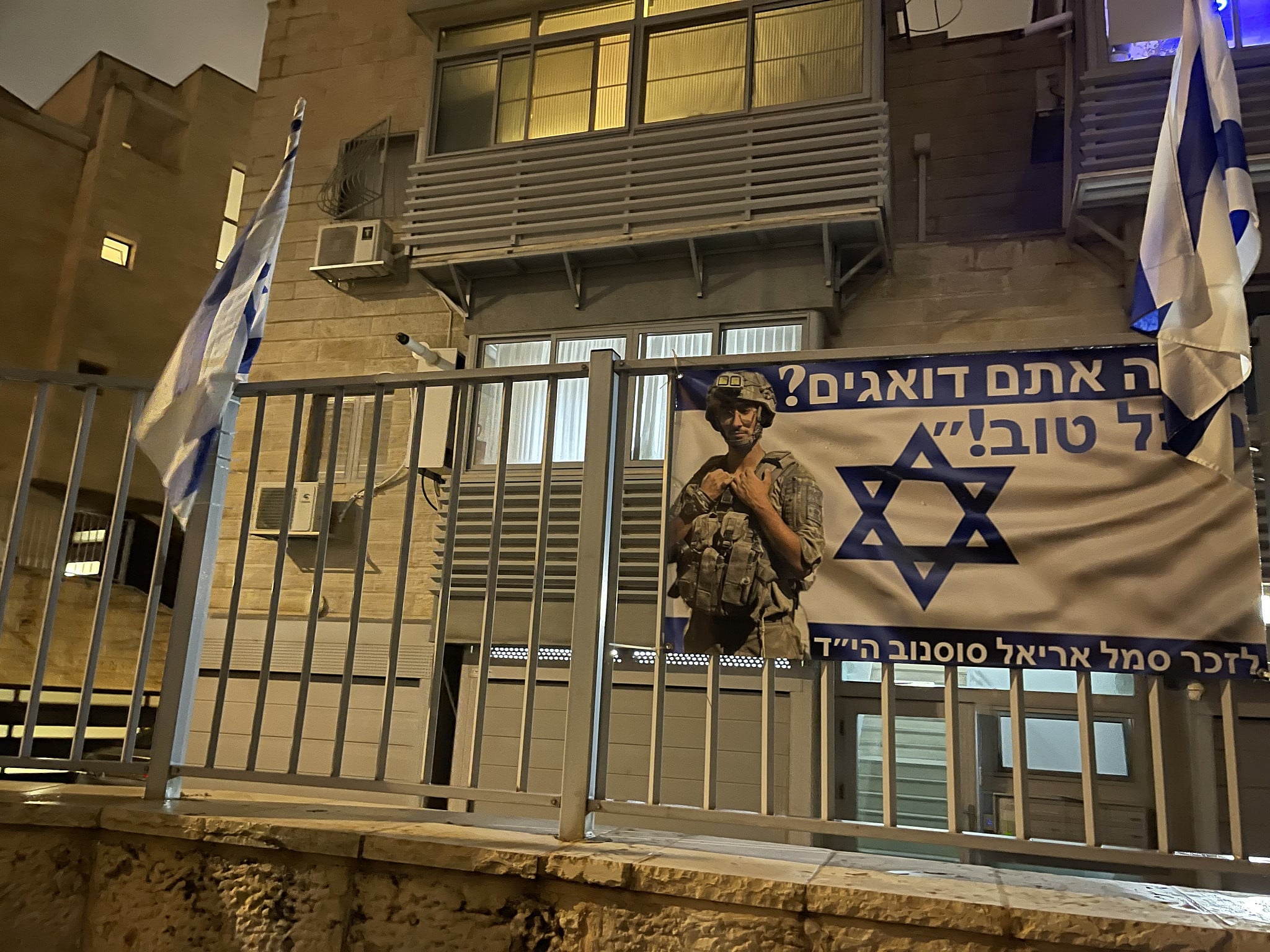
The Sosnov House in Jerusalem- - Photo by Mikheil Khachidze
This article was originally published in German on Hagalil.com. It has been adapted into English for The Times of Israel.
On a quiet Shabbat evening, I had the honor of visiting the family of Ariel Sosnov – a 20-year-old Israeli soldier who fell on November 6, 2024 (5 Marcheshvan 5785) in a Hezbollah rocket attack on the border community of Avivim in northern Israel. It was a barrage of more than 50 rockets – one of them struck with deadly force.
Ariel’s parents, siblings, and close friends welcomed us into their home with warmth. The atmosphere was solemn yet dignified. It was a profoundly moving visit, filled with stories of courage, love, devotion, and unshakable patriotism.
But Ariel was far more than just a soldier. He was a son of Jerusalem, a young man full of light, courage, and commitment.
A Life of Meaning
Born on January 10, 2004 (15 Tevet 5764) in Jerusalem, Ariel grew up in a deeply religious, warm-hearted family where values such as humanity, responsibility, and service for the greater good were lived every day. His parents described him as a joyful boy with an open heart, a strong sense of justice, and a desire to leave a mark – not for himself, but for others.
His bond with his family was deep and inseparable. “He gave us strength, not the other way around,” his father said in a trembling voice as we sat together that Shabbat evening. And though the pain was palpable, there was also pride, faith, and resilience.
Ariel was a role model not only at home and in school, but also in society. He volunteered with Krembo Wings, an inclusive youth movement where he helped children and teens with disabilities join social activities – with patience, humor, and love. For many, he became a friend for life.
He also took responsibility in the Bnei Akiva movement and in Jerusalem’s youth council, leading projects and advocating for others. His friends called him “a leader without volume – but with heart.”
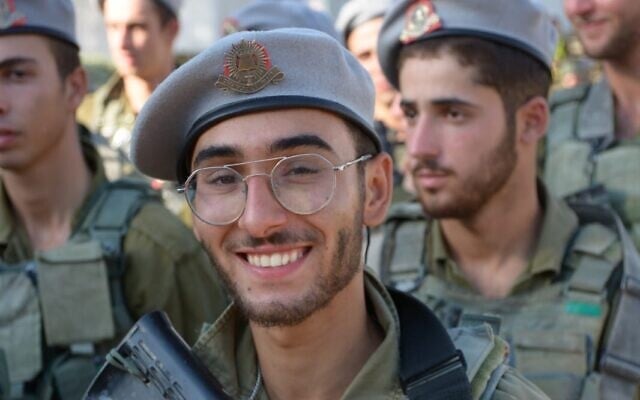
His path to the army was never in question. Ariel joined the 605th Combat Engineering Battalion of the Barak Armored Brigade, a demanding combat unit. There, he quickly became respected for his camaraderie, seriousness, and readiness to take responsibility.
“He was always the first to ask: What do you need?” recalled one of his commanders. To his friends, he was “a soul in uniform” – compassionate, strong, always present.
A Shabbat That Never Ends
Every Shabbat evening – even after his death – Ariel’s friends come to his parents’ home. They sit with the family, sharing stories, crying, keeping silence, remembering. It has become a ritual of connection – a quiet light against the darkness of grief.
Ariel came from a religious Jewish family. Out of respect for their beliefs, I refrained from taking photos of them. The few images I did capture show the entrance and courtyard of their home – silent spaces now filled with absence.
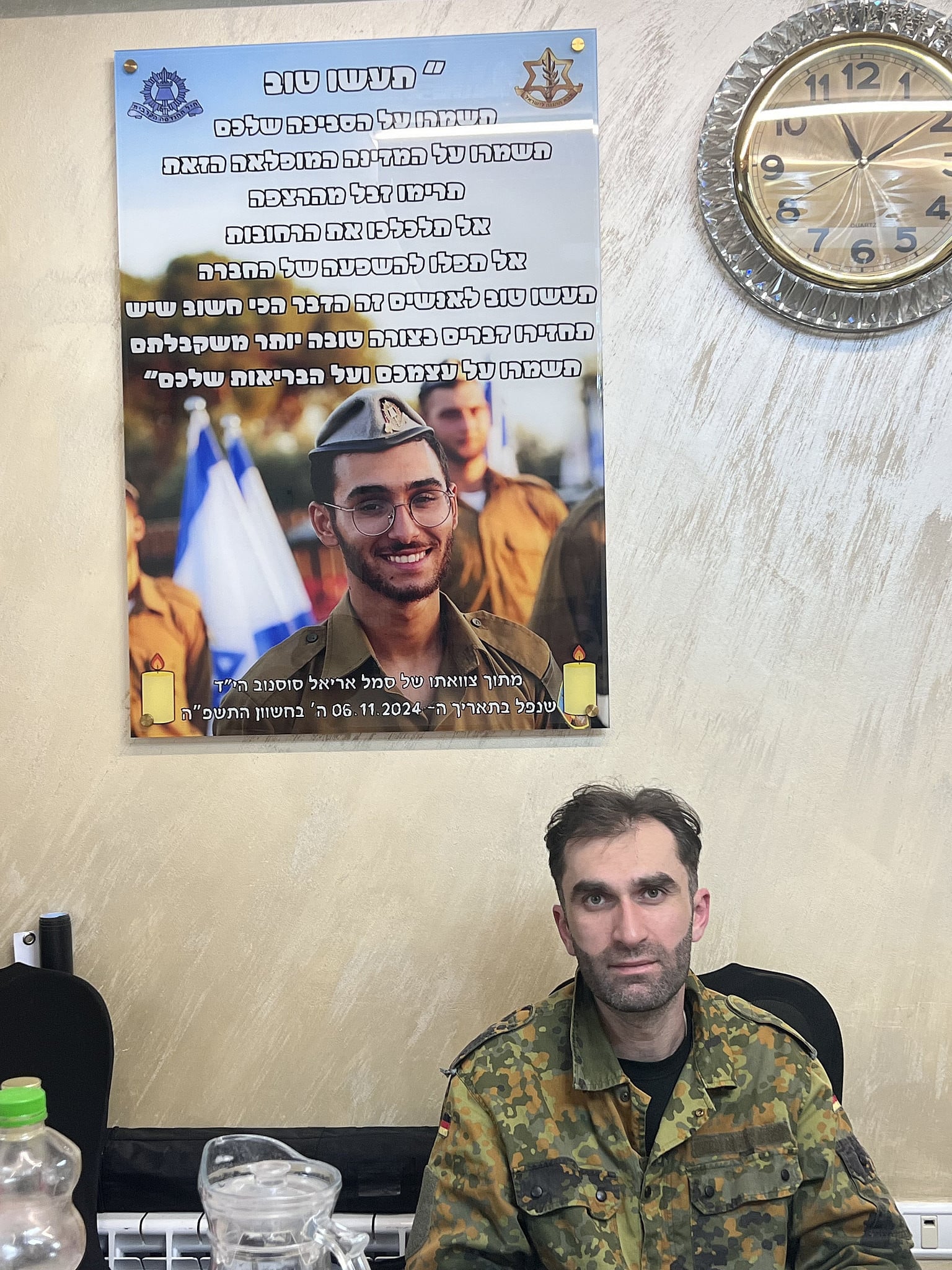
As I spoke with the family, our conversation was suddenly interrupted by a rocket alarm. The Houthis had fired again. The siren was a brutal reminder: in Israel, reality allows no pause – not even in mourning.
What Remains
At the funeral on Jerusalem’s Mount Herzl National Cemetery, hundreds gathered: soldiers, youth, neighbors, friends, teachers. Mayor Moshe Lion gave a moving address:
“Jerusalem has lost one of its finest sons. But his light endures.”
Today, the Sosnov family works on several initiatives in Ariel’s name: scholarships, youth projects, social programs. What mattered most to him will continue – not as an empty symbol, but as a living legacy.
Israel lives on – through young people like Ariel, who defend not only its borders, but also what makes us human: community, faith, hope.
May his memory be a blessing. Glory to the hero.