


Mathematics Teaching Professor, Author
A Jewish Home in Paradise: The Story of Kona Beth Shalom, Kailua Kona, Hawaii
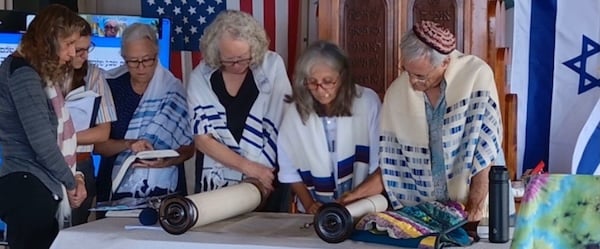
Women Aliyah (Source: Kona Beth Shalom)
Nestled in the beauty of Hawaiʻi Island, Kona Beth Shalom has been fostering Jewish life in West Hawaiʻi since 1980. This welcoming and inclusive congregation brings together members from a wide range of backgrounds, experiences, and perspectives.
Kona Beth Shalom appeals to everyone seeking a Jewish connection, whether spiritual, social, educational, or even gastronomical. The congregation comes together to celebrate Shabbat and Jewish holidays, explore informative and provocative topics, share music, and enjoy a variety of community activities.
Czech Torah Scroll
Kona Beth Shalom is home to a Torah scroll rescued from the Holocaust. Originally from Polna, in the former Czechoslovakia, the nearly 300-year-old scroll survived the destruction of the town’s Jewish community during World War II.
In 1943, the Nazis deported Polna’s Jewish residents to concentration camps, where they were murdered. Jewish religious treasures from across Czechoslovakia, including Torah scrolls, prayer books, menorahs, and ritual objects, were confiscated and sent to Prague, where they were carefully catalogued.
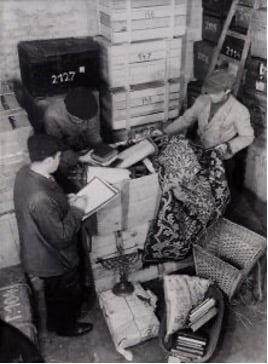
After the war, the Prague Jewish Museum’s collection had grown fourteenfold, filled with sacred objects from more than 100 Jewish congregations across Bohemia and Moravia. Jewish prisoners had been forced by the Nazis to sort and catalogue these treasures before being deported to Terezín and, in many cases, to their deaths.
Czechoslovakia emerged from the war with only a fraction of its Jewish population. In 1948, a Communist coup brought another dictatorship, and the Prague Jewish Museum came under government control. The rescued Torah scrolls and other Judaica were placed in public custody, preserving them until they could eventually find new Jewish communities around the world.
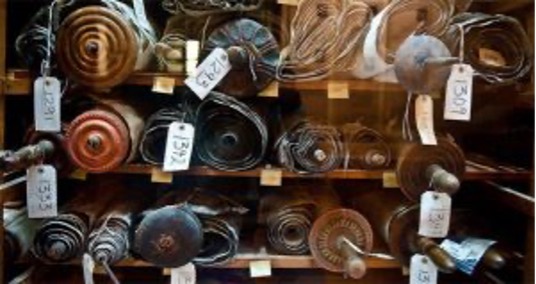
In 1963, American art dealer Eric Estorick discovered nearly 2,000 Torah scrolls stored in poor conditions at Prague’s Michle Synagogue. He contacted Rabbi Harold Reinhart of Westminster Synagogue in London, and with financial support from congregant Ralph Yablon, arrangements were made to purchase the scrolls.
In February 1964, 1,564 Czech Torah scrolls arrived at Westminster Synagogue in London. After months of careful examination, restoration, and cataloguing, the scrolls were distributed to Jewish communities around the world through the newly established Memorial Scrolls Trust, allowing these sacred treasures to return to active Jewish life.
Kona Beth Shalom received the centuries old Torah from Polna, Czechoslovakia on permanent loan in 1985. Today, the scroll serves not only as a sacred object of worship but also as a powerful reminder of the Jewish communities that were destroyed and the enduring legacy of those who came before. To help preserve that legacy, every year during the Yizkor service of Yom Kippur, Kona Beth Shalom congregants recite the names of the lost Jewish community of Polna to include them in the Kaddish.
Religious Events
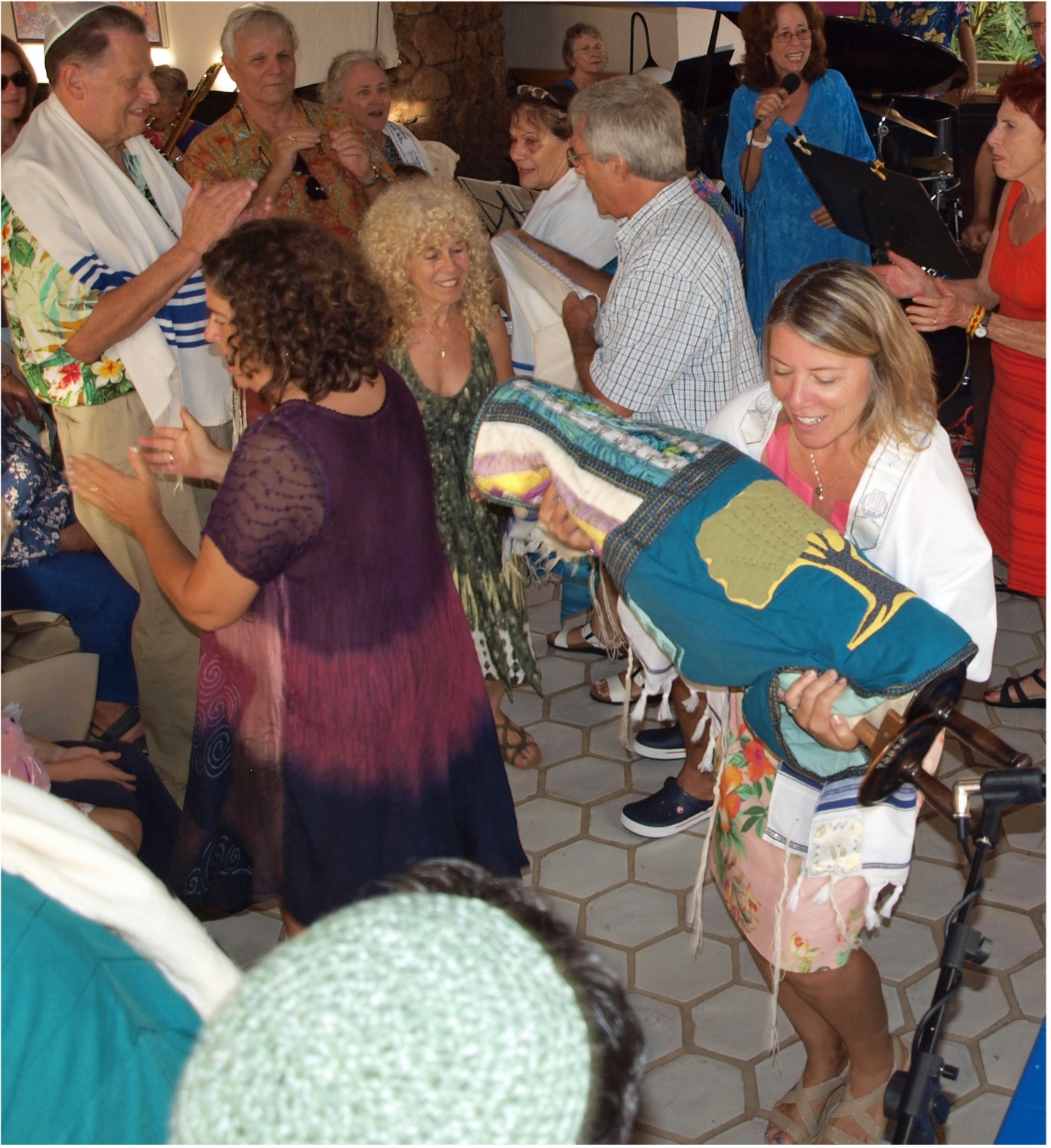
Kona Beth Shalom holds Shabbat services on the fourth or last Shabbat of each month, bringing the community together for worship, learning, and connection. Services often include a d’rash, or d’var Torah, a teaching and commentary on the weekly Torah portion, collecting and sharing these teachings for decades, reflecting the diverse Jewish experiences and perspectives within the community. The congregation also celebrates holidays on Jewish calendar, including Simchat Torah, when its homegrown musicians provide joyous melodies as congregants dance with the precious Polna Torah scroll.
Members of the congregation have led prayers for most of its existence with different individuals rising to the occasion. Over the years, Kona Beth Shalom High Holy Day services have been led by rabbis and cantors from across the Jewish spectrum, and clergy visiting the island on holiday often volunteer to lead services or Shabbaton weekends.
Jewish Cemetery
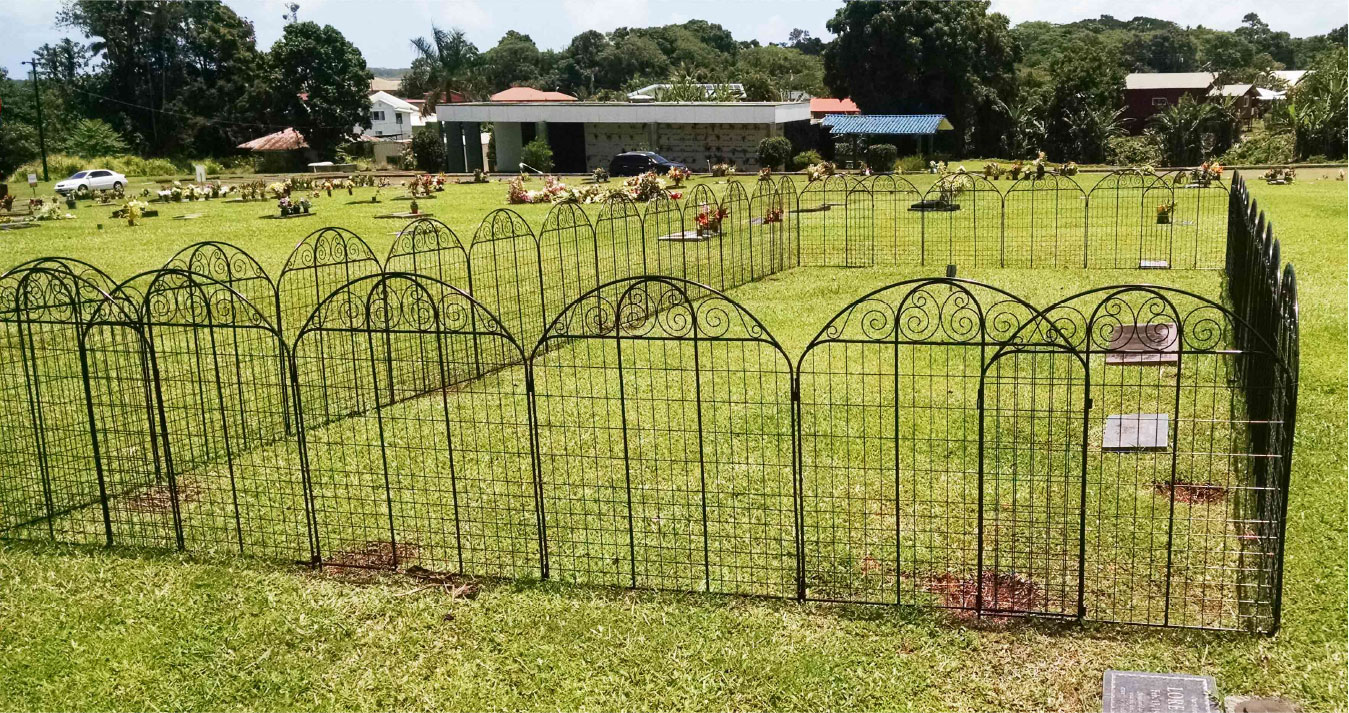
In 2005, Kona Beth Shalom established Beit HaShamayim, the only Jewish cemetery on Hawaiʻi Island, located within Homelani Memorial Park in Hilo. Open to Jewish individuals and families, whether by birth, choice, or family relationship, the cemetery provides a place for remembrance and burial. Its name carries a special connection between cultures: Beit HaShamayim in Hebrew and Homelani in Hawaiian both mean “Heavenly Home.”
Historical Backgrounds
The earliest recorded mention of a Jew in Hawaiʻi dates to 1798, when the log of the British whaling ship Neptune noted that King Kamehameha I came aboard with a “Jew cook.” Although the cook’s name and origins have been lost to history, Jewish sailors and merchants may have reached the islands even earlier aboard Spanish and Portuguese vessels. Some were likely Jews fleeing the Inquisition who found safety and opportunity in Hawaiʻi.
During the 19th century, Jewish merchants and entrepreneurs established businesses as trans-Pacific commerce expanded. A Jewish community gradually took root, primarily in Honolulu, and the first congregation was established in 1901. The Jewish population grew with the arrival of military personnel during World War I and World War II, when military chaplains led services attended by local Jews. By the 1950s, Temple Emanu-El had its first resident rabbi, and Jewish communities eventually began developing on Hawaiʻi’s neighbor islands.
The first recorded Jewish community event on Hawaiʻi Island took place in Hilo in 1973 with the Bar Mitzvah of Gary Natan Rothstein. In 1974, Roz and Bill Silver moved to Kona and, unable to find High Holy Day services, began connecting with other Jewish families. By 1975, the group known as Aloha Beth Shalom, the forerunner of Kona Beth Shalom, held its first High Holy Day services at the Hilo Community Clubhouse. Eighty-five people attended, followed by the island’s first Jewish potluck.
The community quickly grew through shared celebrations. A Chanukah party at the Silvers’ home brought together more than 65 people, while the first community Passover Seder at the Kona Golf Course Restaurant welcomed 70 guests and featured a Hawaiʻi style menu, including gefilte fish made with local fish. In 1976, the community celebrated with a Jewish Soul Food Picnic at Hapuna Beach, reflecting the growing connection between Jewish tradition and island life.
Which brings us to 1980.
In 1980, the United States was marked by political change and international tensions. Republican Ronald Reagan defeated incumbent President Jimmy Carter in a decisive election, ushering in an era of conservative politics known as the “Reagan Revolution.” The Iran Hostage Crisis continued to dominate national attention, with American diplomats held captive in Tehran. Following the Soviet invasion of Afghanistan, the United States also imposed a grain embargo on the Soviet Union and led a boycott of the 1980 Summer Olympics in Moscow.
In 1980, Hawaiʻi was experiencing a period of cultural growth and change. The state’s population was approaching one million, and communities were recovering from a powerful January storm that caused millions of dollars in damage.
That year, Kailua-Kona remained a quiet, colorful, bayfront fishing and vacation village, with far less development than today. Much of the area was still surrounded by natural bushland, retaining the atmosphere of old Hawaiʻi and its history as a royal retreat. Small shops, community markets, and world-class ocean activities helped give Kona its distinctive character.
It was in that year, 1980, the growing Jewish community on Hawaiʻi Island reached an important milestone with the founding of Kona Beth Shalom. Because the distance between Kona and Hilo made it difficult for West Hawaiʻi residents to gather regularly, several Jewish kamaʻāina (local residents) decided to establish a congregation based in Kona.
That same year, Rabbi Julius Nodel of Temple Emanu-El in Honolulu led the first recorded Bat Mitzvah on Hawaiʻi Island for Elise Rael Sachs, daughter of Alva Sachs. The August 1980 ceremony was held at an outdoor pavilion at the Keauhou Beach Hotel. Rabbi Nodel, alternating with Rabbi Avi Magid, also traveled to Kona each month to lead Shabbat services, helping establish a regular Jewish presence in West Hawaiʻi.
From 1982 onward, Kona Beth Shalom continued to grow through shared leadership, worship, education, and community traditions. Over the years, services were held at a variety of locations across West Hawaiʻi and were led primarily by congregation members, visiting rabbis, and cantors from across the Jewish spectrum. KBS has continued to celebrate Shabbat, the High Holy Days, Passover Seders, Jewish holidays, and lifecycle events, while also developing Hebrew and Torah education programs for children.
From its humble beginnings, Kona Beth Shalom has grown into a vibrant Jewish community rooted in tradition, fellowship, and the unique spirit of Hawaiʻi Island. Its historic Torah, services and celebrations, and generations of members reflect a story of resilience and continuity. While the congregation has moved between many gathering places, its purpose remains constant: to create a welcoming home where Jewish life, learning, remembrance, and community can thrive.
Contact Information:
Congregation Kona Beth Shalom, PO Box 699, Kailua Kona, HI 96745
Phone: 808-217-9418
Email: info@konabethshalom.org
Website: konabethshalom.org
Based on material originally posted on the Congregation Kona Beth Shalom website.