Jewish, Autistic, Writer, Activist - Thought Provoking Influence
A Movement Within a Movement – Creating Accessibility Within Run 4 Their Lives
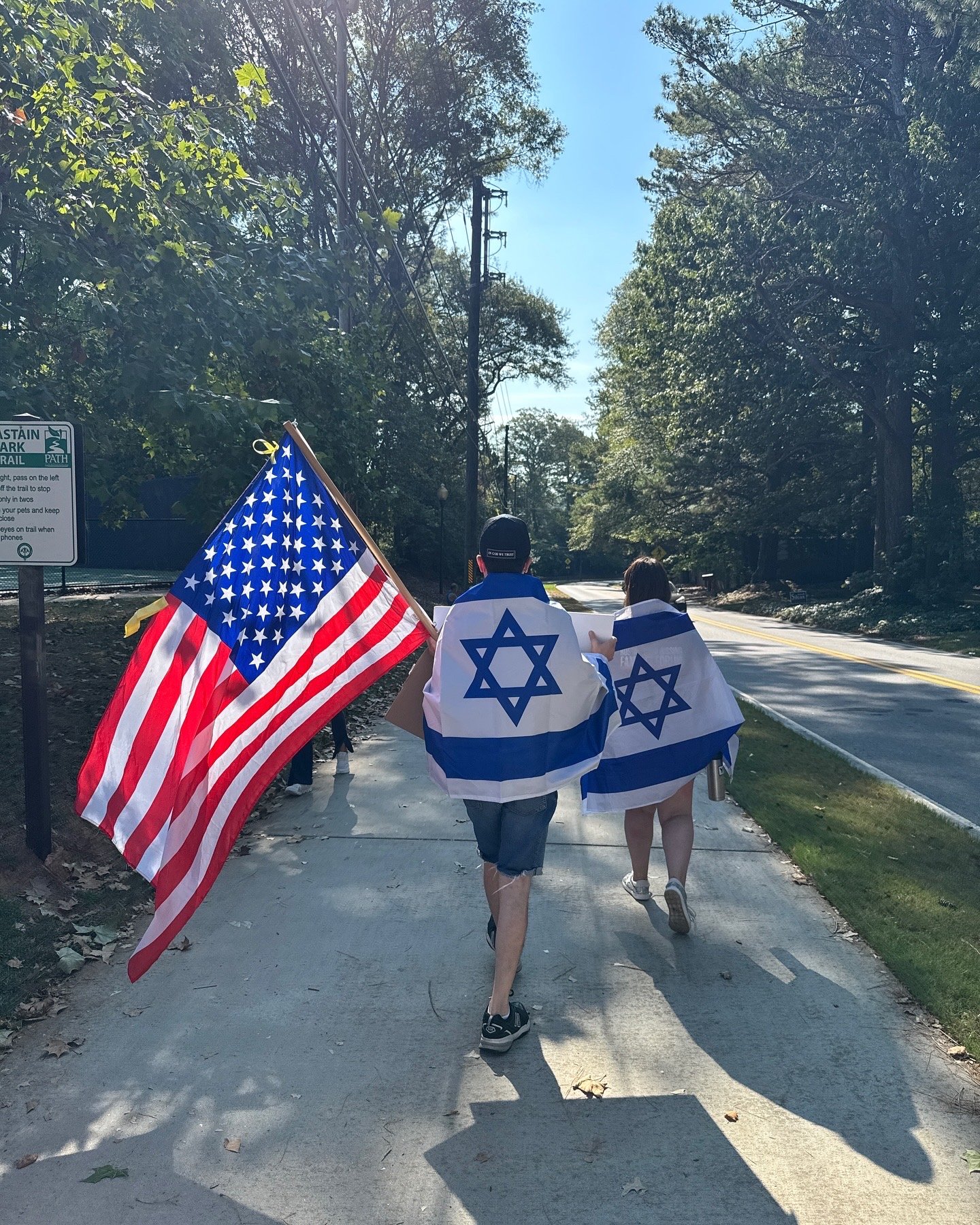
When I first joined Run 4 Their Lives (R4TL), it was because I felt a deep call to stand with the hostages, the families, and the people of Israel. Like many, I wanted to do something tangible, and R4TL gave me that outlet. A weekly walk, a global act of solidarity, and a powerful way to say: We have not forgotten you.
But before I became involved, I noticed something that others weren’t talking about—accessibility. Not in the usual way we think about it, like ramps or restrooms, but in a more practical, often overlooked sense: transportation.
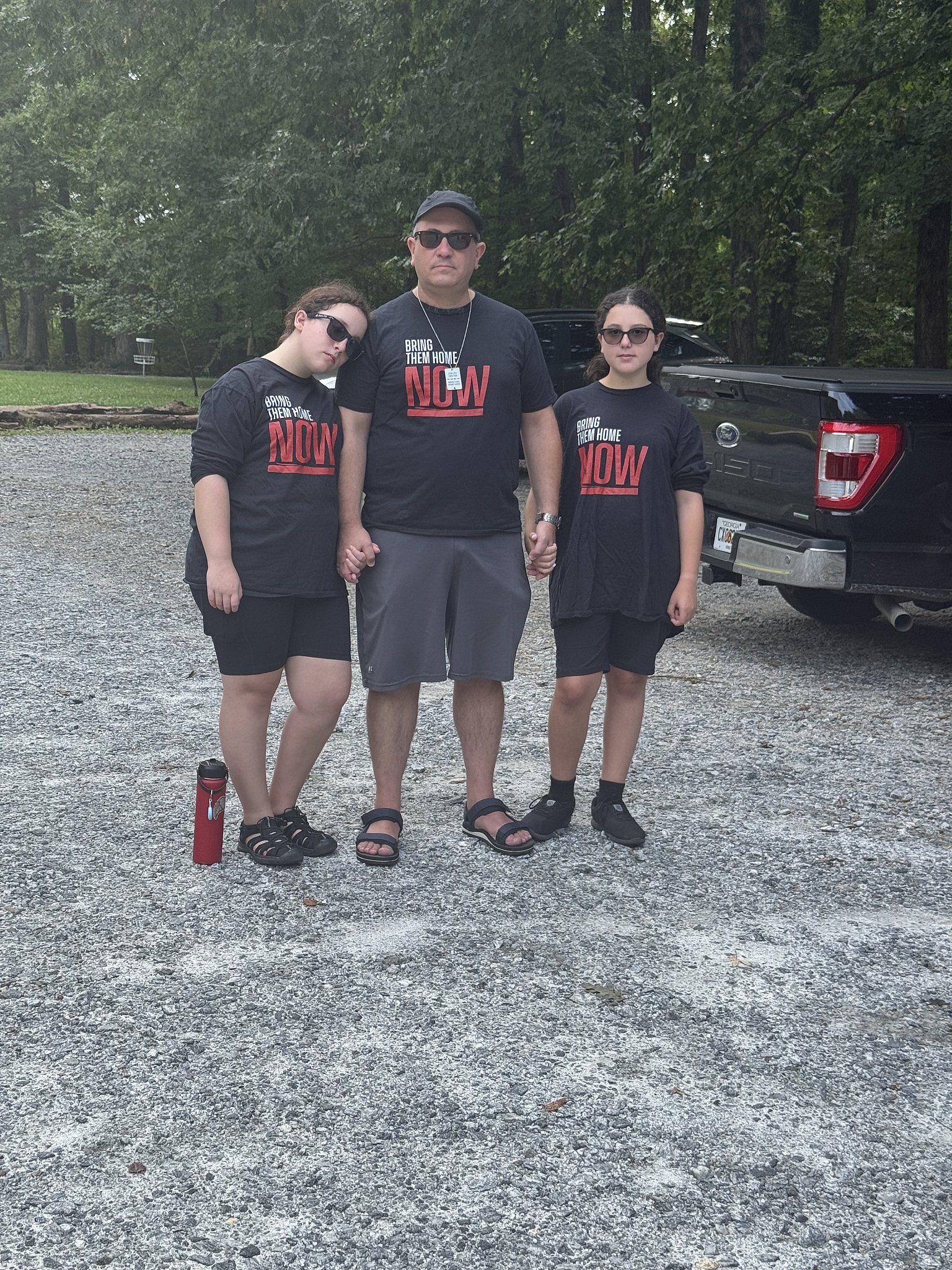
That’s when I realized there was room to build something new—a movement within the movement.
Run 4 Their Lives is a simple but powerful ritual: every Sunday, people around the world walk or run 1 kilometer for each hostage still held in Gaza.
As many of these events are hosted in central, walkable neighborhoods—leaving out countless people who live in the suburbs or areas without public transportation.
That’s where the accessibility conversation starts.
In metro areas like Atlanta, getting to an R4TL walk can mean a 30–60 minute drive—something not everyone has the resources, ability, or comfort to do regularly. For many suburban Jews, people with mobility limitations, or those without easy access to reliable transportation, this creates an unintended barrier to participation.
That’s why I decided to take action—not just by walking, but by organizing. I started a suburban Run 4 Their Lives walk that was easier to reach for people in my part of town. “Atlanta” is a broad term to say where we are from when we leave out suburban neighborhoods.
Autism as a Tool for Leadership
As an autistic woman, I often think differently. I notice gaps, systems, and details that others might miss. My neurodivergence gives me a heightened sensitivity to who might be left out—and a deep drive to fix it.
I didn’t see anyone talking about suburban access. So I spearheaded the conversation. I didn’t care for permission. I created something new. And it worked.
Two other participants, inspired by the accessibility and local focus of my group, went on to launch their own R4TL walks in nearby suburban areas. They saw that inclusion doesn’t require a massive infrastructure—just a little initiative, a little empathy, and the willingness to meet people where they are.
Even when I was away for 4 1/2 months, the fight continued, and is still going strong.
This ripple effect is how grassroots movements grow: one act of leadership inspiring another.
Responding to Hate with Purpose
When six walkers were violently attacked during the Run 4 Their Lives event in Boulder, Colorado, on Sunday, it shook our entire global community. But it also clarified what I already knew in my heart: this movement matters. And it must continue.
Rather than deterring me, the Boulder attack has only deepened my commitment. If people are willing to harm us just for walking with Israeli flags, then walking is exactly what we must keep doing. Not just in cities—but everywhere.
That moment made me more determined to lead, to organize, and to grow this movement in places where it isn’t easy. Especially in suburban areas where Jewish identity is less visible, and where fear could easily lead to silence.
I refuse to be silent.
Creating access in a suburban setting isn’t just about logistics—it’s about justice. If we truly want to stand for freedom, dignity, and human life, we must be willing to examine the ways our own communities operate and ask: Who’s missing, and why?
By decentralizing R4TL events, we create more opportunities for people to participate—especially those who may feel disconnected or underserved by urban-centered activism.
We show that every neighborhood matters. Every voice matters. Every step counts.
Accessibility doesn’t always mean adding ramps or writing image descriptions—sometimes it just means looking at a map and realizing the story we’re writing leaves whole communities off the page.
Run 4 Their Lives is a powerful way to come together. But like any good movement, it must grow from the ground up—and that means making space at the grassroots level for people to lead in ways that reflect their realities.
I’m so proud to have helped create more space for suburban Jews, for people outside city centers, for those who want to walk but can’t travel far to do it. And I’m proud to bring my autistic lens into this work—not as a challenge, but as a strength.
Because justice isn’t just about who we walk for—it’s also about who gets to walk with us.
When six walkers were violently attacked during the Run 4 Their Lives walk in Boulder, Colorado on Sunday, it shook our entire community. But it also clarified what I already knew in my heart: this movement matters. And it must continue.
Rather than deterring me, the Boulder attack has only deepened my commitment. If people are willing to harm us just for walking with Israeli flags, then walking is exactly what we must keep doing. Not just in cities—but everywhere.
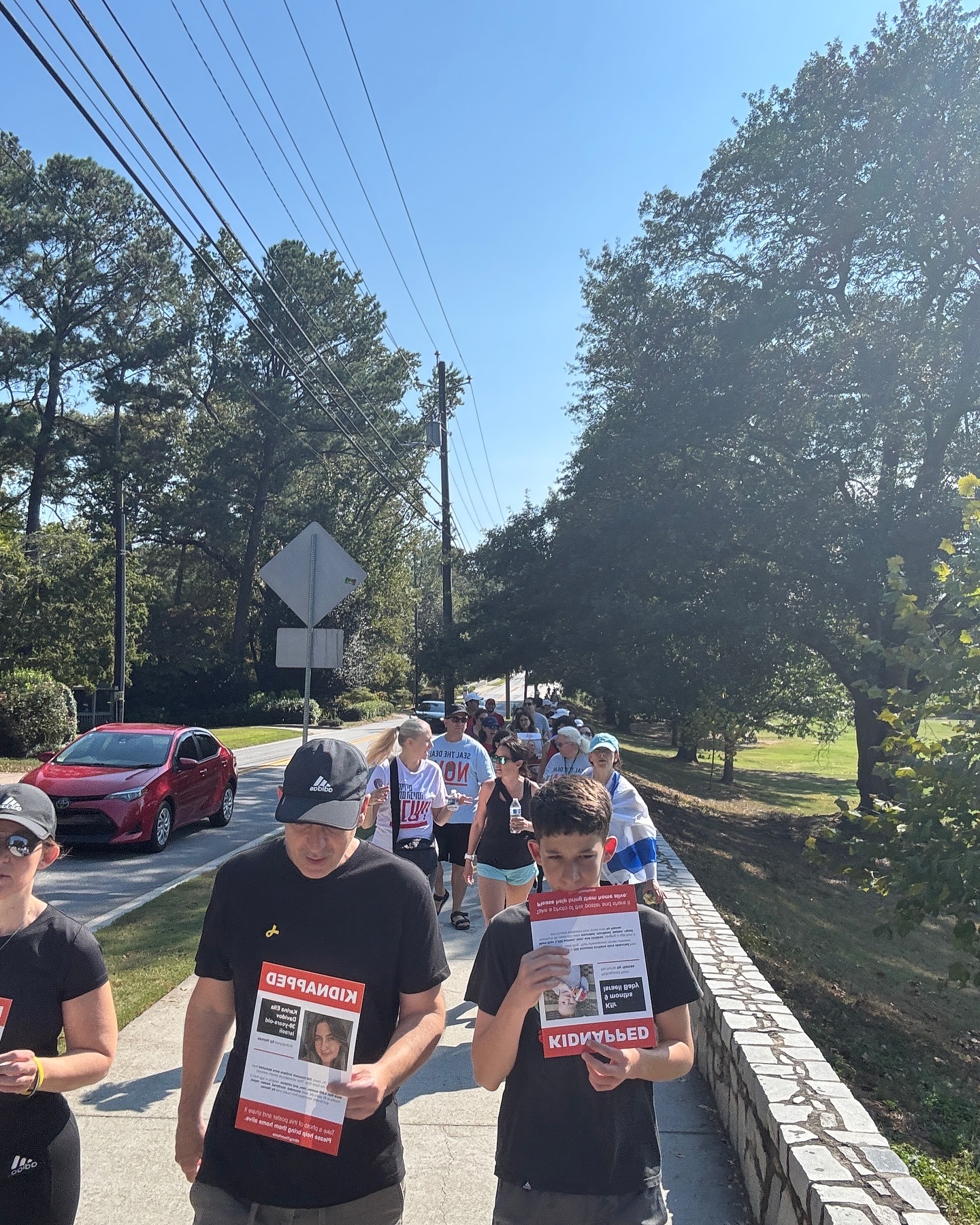
That moment made me more determined to lead, to organize, and to grow this movement in places where it isn’t easy. Especially in suburban areas where Jewish identity is less visible, and where fear could easily lead to silence.
Inclusion Is Action
Creating access in a suburban setting isn’t just about logistics—it’s about justice. If we truly want to stand for freedom, dignity, and human life, we must be willing to examine the ways our own communities operate and ask: Who’s missing, and why?
By decentralizing R4TL events, we create more opportunities for people to participate—especially those who may feel disconnected or underserved by urban-centered activism.
We show that every neighborhood matters. Every voice matters. Every step counts.
I refuse to be silent. Because solidarity should never be out of reach.
If you’re reading this and thinking, I wish there were a walk near me, let this be your invitation to start one. If you want help, reach out—I’m happy to share what I’ve learned. We are stronger when we walk together.
Related Topics