
TRAVEL FLASH TIPS ON THE TIMES OF ISRAEL
A Piece of America Revived in Tel Aviv
Today, as millions of Americans gather around their Thanksgiving tables to enjoy roasted turkey, cranberry sauce, sweet potatoes and pumpkin pie, a remarkable chapter of American history awaits discovery thousands of miles away, in the heart of Tel Aviv.
Thanksgiving is a celebration of gratitude, family and tradition. Yet in a small historic neighborhood between Jaffa and Neve Tzedek, the holiday offers an unexpected opportunity to revisit an American dream that ended in disappointment, only to find an extraordinary new life nearly 160 years later.
It is a story of faith, ambition, hardship and shattered hopes. But it is also a story of architectural preservation, determination and the remarkable transformation of a neglected historic landmark into one of Israel’s most distinctive luxury hotels.
In September 1866, approximately 150 Americans from Maine arrived off the coast of Jaffa aboard the Nellie Chapin. They brought prefabricated wooden houses, agricultural equipment and enormous hopes for the future. Led by the charismatic preacher George Jones Adams, they dreamed of establishing a prosperous agricultural community in the Holy Land, cultivating its soil and helping fulfill the biblical prophecy of the Jewish people’s return to their ancestral homeland.
Their optimism was short-lived. Ottoman authorities objected to the establishment of a foreign settlement whose residents sought to own land while retaining American protection. The newcomers initially endured difficult conditions in tents before eventually erecting their picturesque wooden houses near Jaffa.
Disease, poverty, financial hardship and growing disillusionment with Adams soon devastated the community. Most settlers departed within a remarkably short time, and in 1868 Adams himself abandoned the colony. The remaining properties eventually passed into the hands of German Templers, bringing an end to an extraordinary but unsuccessful American adventure.
The dream had collapsed. The houses, however, survived. Today, the American Colony is one of Tel Aviv’s most unexpected architectural treasures. Its colorful wooden houses, charming balconies, restored facades and peaceful lanes evoke the atmosphere of a small New England town, seemingly transported to the Mediterranean.
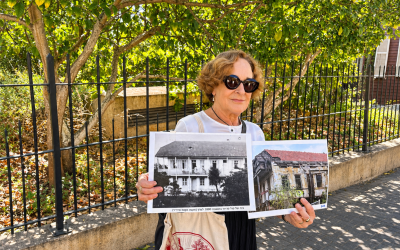
Exploring this neighborhood with Dr. Yosefa Isenberg, who leads Saturday tours, reveals just how remarkable its survival has been. “People find it difficult to understand how these historic buildings remained neglected for decades, until about 15 years ago,” she explains. “Until roughly two decades ago, Jaffa was considered Tel Aviv’s backyard. It suffered from infrastructure problems and winter flooding, and there was no real urban renewal plan. The process began very late, and its implementation took years. But today, when you look at the American Colony, you can see just how far its preservation and restoration have come.”
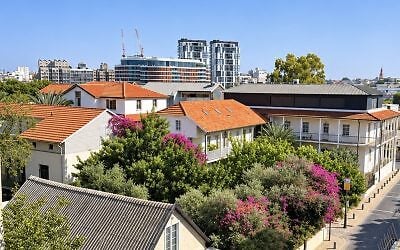
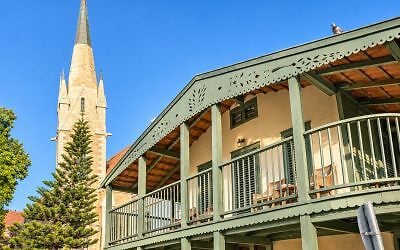
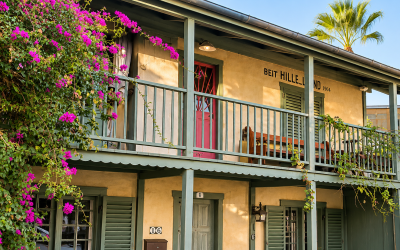
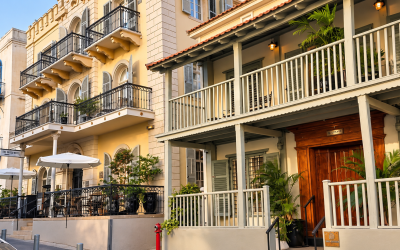
At the heart of this fascinating neighborhood stands The Drisco Hotel, whose resurrection from an almost forgotten ruin into an internationally recognized luxury retreat represents one of the area’s most impressive preservation achievements.
“I was looking for an investment project with a spark, something with an extraordinary story,” recalls Avi Zak, co-owner of The Drisco Hotel. “When I first entered the building 12 years ago, wearing a hard hat, I found neglected property, homeless people, and rats. But something about the neighborhood and the story of the place drew me in.”
Hardly the conventional starting point for a luxury hotel investment. Decades of neglect had concealed the building’s former elegance, leaving its architectural character damaged and its history largely forgotten. Yet Zak recognized something that others had overlooked: an exceptional property with a compelling story waiting to be rediscovered.
“When I began studying the building’s historical documentation, I discovered its fascinating history and the people who had lived and stayed there. I realized that this place deserved to be restored to its former glory.”
What followed was an ambitious four-year restoration project demanding substantial investment, patience and perseverance.
“We raised NIS 120 million, and over four years, while dealing with countless challenges, we created the hotel,” Zak explains.
His historical research also uncovered the story of the hotel’s original American founders, George and John Drisco.
“I personally chose the name Drisco, following the historical research I had conducted. The American settler brothers George and John Drisco were the ones who established the hotel in its original incarnation, and I wanted to give them the recognition they deserved after everything they had endured.”
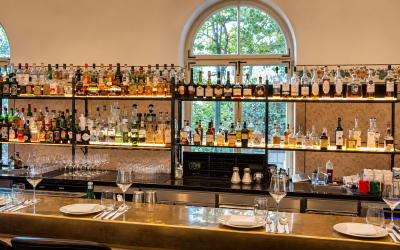
The property, later known as the Jerusalem Hotel, has now reclaimed its American identity while preserving the architectural legacy of its subsequent incarnations. The restoration’s greatest accomplishment lies in its sensitive balance between past and present. Rather than erasing the building’s personality in pursuit of contemporary luxury, the project celebrates the details that make it unique. High ceilings, graceful arches, elegant balconies and meticulously restored architectural elements create an unmistakable sense of history. The interiors complement this heritage with sophisticated furnishings, carefully selected materials and contemporary comforts.
The 42 rooms and suites feel intimate and individually considered, more reminiscent of an elegant private residence than a conventional city hotel. Their understated luxury is expressed through craftsmanship, thoughtful design and an atmosphere of quiet refinement. There is an appealing sense of warmth and authenticity here, qualities that even the grandest international hotels sometimes struggle to achieve.
“In my view, The Drisco is the most interesting hotel in Tel Aviv, thanks to its combination of extraordinary history and a hospitality experience unlike any other,” says Zak.
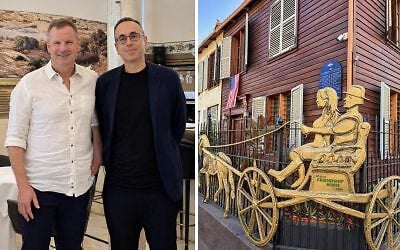

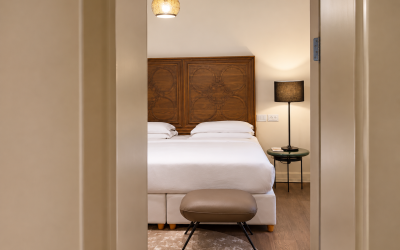
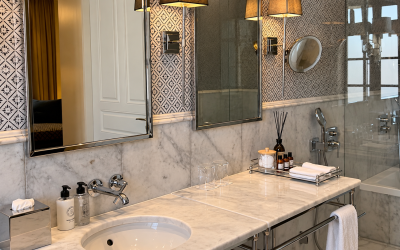
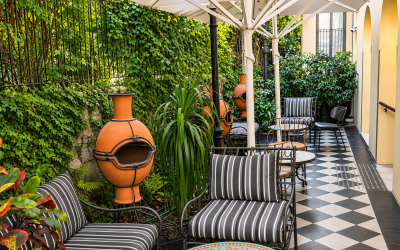
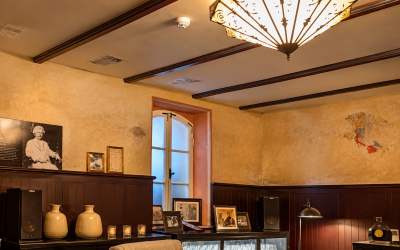
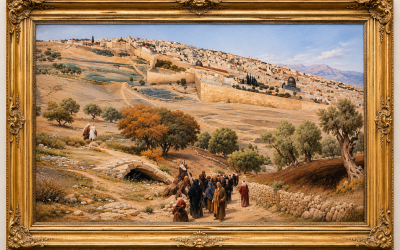
His enthusiasm is understandable. The property’s international recognition provides further evidence of its exceptional character. The Drisco is Israel’s only member of Relais & Châteaux, the prestigious French-founded association established in 1954, bringing together approximately 580 exceptional hotels and gourmet restaurants across 65 countries.
If its restoration is the architectural triumph, George & John Restaurant is undoubtedly its culinary jewel. Named in honor of the original American owner brothers, the restaurant has become one of Tel Aviv’s most appealing fine-dining establishments, offering an experience that fully complements the property’s prestigious international affiliation. Its culinary philosophy revolves around seasonal ingredients, imaginative combinations and a profound respect for natural flavors. The kitchen demonstrates how seemingly modest ingredients can be transformed into dishes of remarkable sophistication.
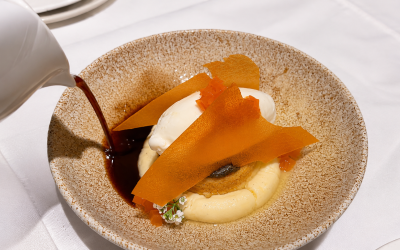
The young leeks are a perfect example. Tender, delicately sweet and beautifully prepared. The amberjack sashimi is equally impressive. Its silky texture, pristine freshness and subtle flavors create a beautifully balanced expression of the sea. Then comes the sweet Gili corn, a delightful surprise that celebrates the ingredient’s natural sweetness. Creative, refined and wonderfully satisfying. For a more substantial indulgence, the beef fillet is irresistible: beautifully tender and richly flavored. And then comes dessert. I will not soon forget the exquisite pumpkin creation, a luscious pumpkin cream accompanied by delicate pastry crumble, rich caramel sauce, crunchy praline and creamy yogurt ice cream.
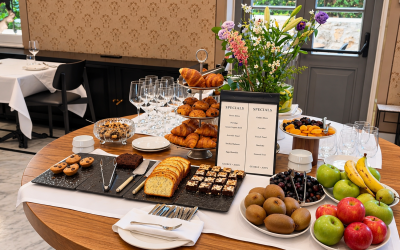
The entire dining experience is enhanced by attentive service, elegant surroundings and an atmosphere that encourages guests to linger over each course. Artistic presentation and imaginative cooking transform dinner into a genuine culinary occasion.
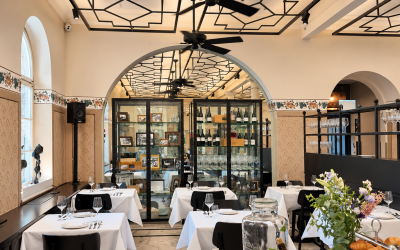
During dinner, surrounded by the elegance of the restored hotel, my thoughts returned to those hopeful Americans who arrived on the shores of Jaffa in 1866. Could they ever have imagined that the modest settlement they struggled to establish would one day become a treasured historic neighborhood? Or that the hotel founded by two of their fellow settlers would, nearly 160 years later, welcome international travelers as one of Israel’s most distinctive luxury properties?
On this Thanksgiving Day, perhaps the most fitting tribute to those forgotten American pioneers is the realization that although their dream was shattered, their legacy has found an extraordinary second life. And that, surely, is something worth being thankful for.
Related Topics