

A Rabbi Speaks Where Silence Should Be: Faith After a Son Kills His Parents
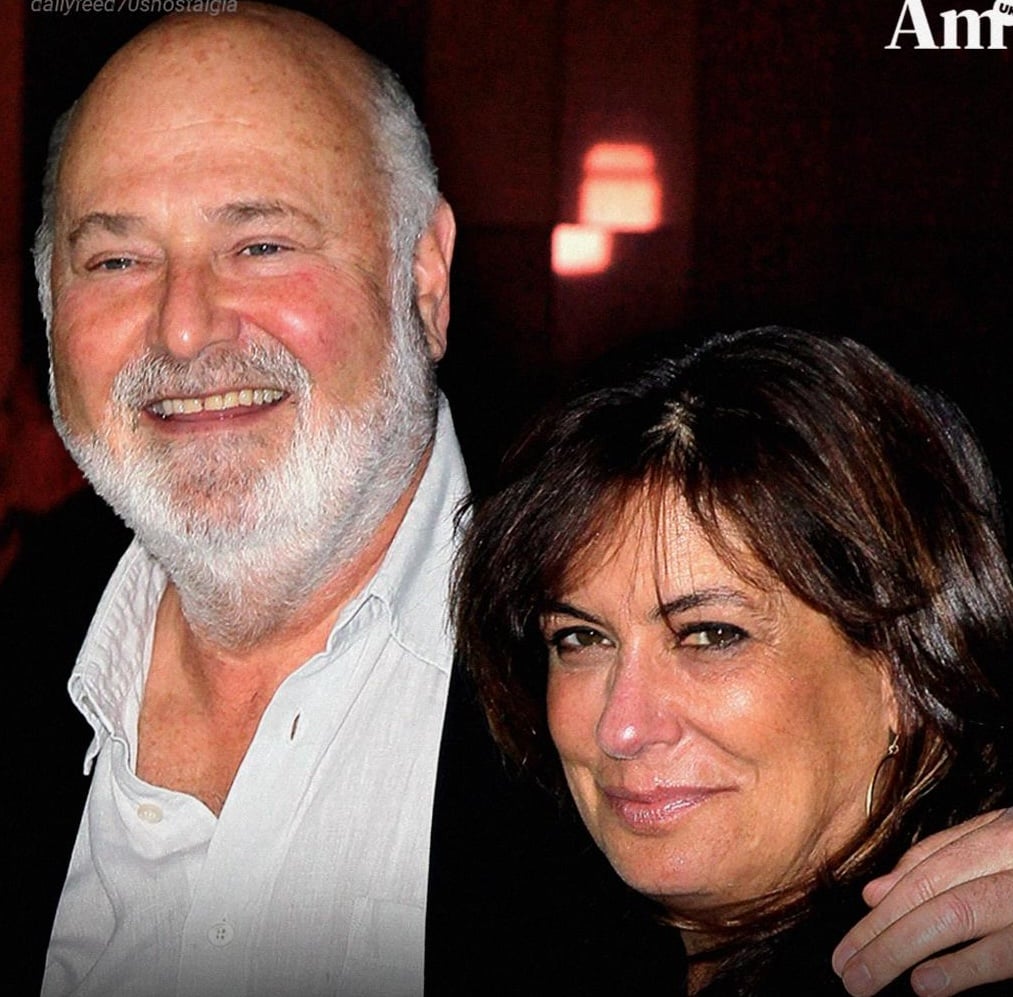
Eulogy for Michelle & Robert Reiner
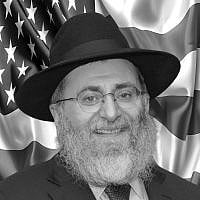
by Rabbi Anchelle Perl Director of Chabad of Mineola
We gather with hearts that are shattered. There are moments when a rabbi is expected to offer comfort, perspective, or meaning—and then there are moments like this, when no words can ever be enough. The brutal loss of Rob and Michelle, taken from this world by their own son, is a tragedy so overwhelming that it leaves us stunned, disoriented, and aching.
There is no framework that can make sense of this. There is no explanation that eases the pain. There is only grief—raw, heavy, and deeply human.
Judaism does not rush to answers in moments like these. Our tradition teaches us first to sit with the pain, to cry with those who cry, and to honor the lives that were lost. Before theology, before philosophy, before any search for meaning—there must be compassion.
Rob and Michelle were not symbols. They were people. They lived, they loved, they mattered. Their lives were sacred, and their loss leaves a wound that words cannot heal.
The Jewish Understanding of Life, the Body, and Burial
Judaism teaches that every human being is created b’tzelem Elokim—in the image of G-d. That holiness does not end at death. The human body, which carried a soul through this world, retains its sanctity even after life has ended.
From the earliest words of the Torah, we are reminded that the body is to be returned gently to the earth—“for from dust you were formed, and to dust you shall return.” Not as an act of disappearance, but as an act of humility, reverence, and peace.
For thousands of years, the Jewish people have expressed this reverence through burial—laying the body to rest intact, with dignity and care. The Torah itself commands that a human being be buried, and our sages describe this act as chesed shel emet, a true kindness—because it is done for someone who can never repay it.
Burial is Judaism’s final statement of love: That this body mattered. That this life was precious. That even in death, we do not rush, destroy, or discard—but we honor.
The prophets and sages teach that the soul continues its journey, while the body is allowed to rest, undisturbed, returning naturally to the earth from which it came. This quiet return reflects Judaism’s belief in the dignity of creation and the patience of holiness.
Speaking About Cremation with Care and Compassion
It is important to speak about this gently—and honestly.
Jewish tradition has consistently discouraged cremation because it conflicts with this core value: that the body deserves rest, not destruction; dignity, not erasure.
Cremation severs the natural return described by the Torah and removes the element of gentleness that burial preserves.
And yet, it must be said clearly and with love:
In our time, most cremations are not chosen out of rejection of Judaism, nor out of ideology. They are chosen because people were never taught otherwise. They grew up without access to Jewish learning, without understanding the meaning behind burial, without anyone explaining that Judaism views the body as sacred even after death.
A lack of knowledge is not defiance. Ignorance is not rebellion. And choices made in shock, grief, or confusion are not moral statements.
Jewish tradition is also very clear about this: no act performed after death can diminish the value of a human soul. G-d’s compassion is not limited by what people did not know. Divine mercy is infinite, and it embraces those who were never given the chance to learn.
Today is not a day for judgment. Today is a day for mourning.
Standing with the Brokenhearted
This tragedy has left family members, friends, and an entire community struggling to comprehend the incomprehensible. Judaism teaches that when devastation strikes, our first response is rachamim—compassion.
We do not analyze grief. We do not measure pain. We do not place loss on trial. We stand beside the broken and say: You are not alone.
Closing Blessing
May the souls of Rob and Michelle be bound up in the bond of eternal life. May they know peace beyond the violence that ended their days.
May those who mourn them find strength in the embrace of community and the slow, healing passage of time.
And may this tragedy awaken in all of us—not judgment, but learning; not distance, but care; not silence, but the commitment to pass on the wisdom of our tradition with love, so it is never lost to those who simply did not know.
May their memories be a blessing. May healing come, even if slowly. And may we merit a world with less darkness, and far more light.