Jerusalem Mixed Grill: A Slice of Life
A Reason to Get Up in the Morning
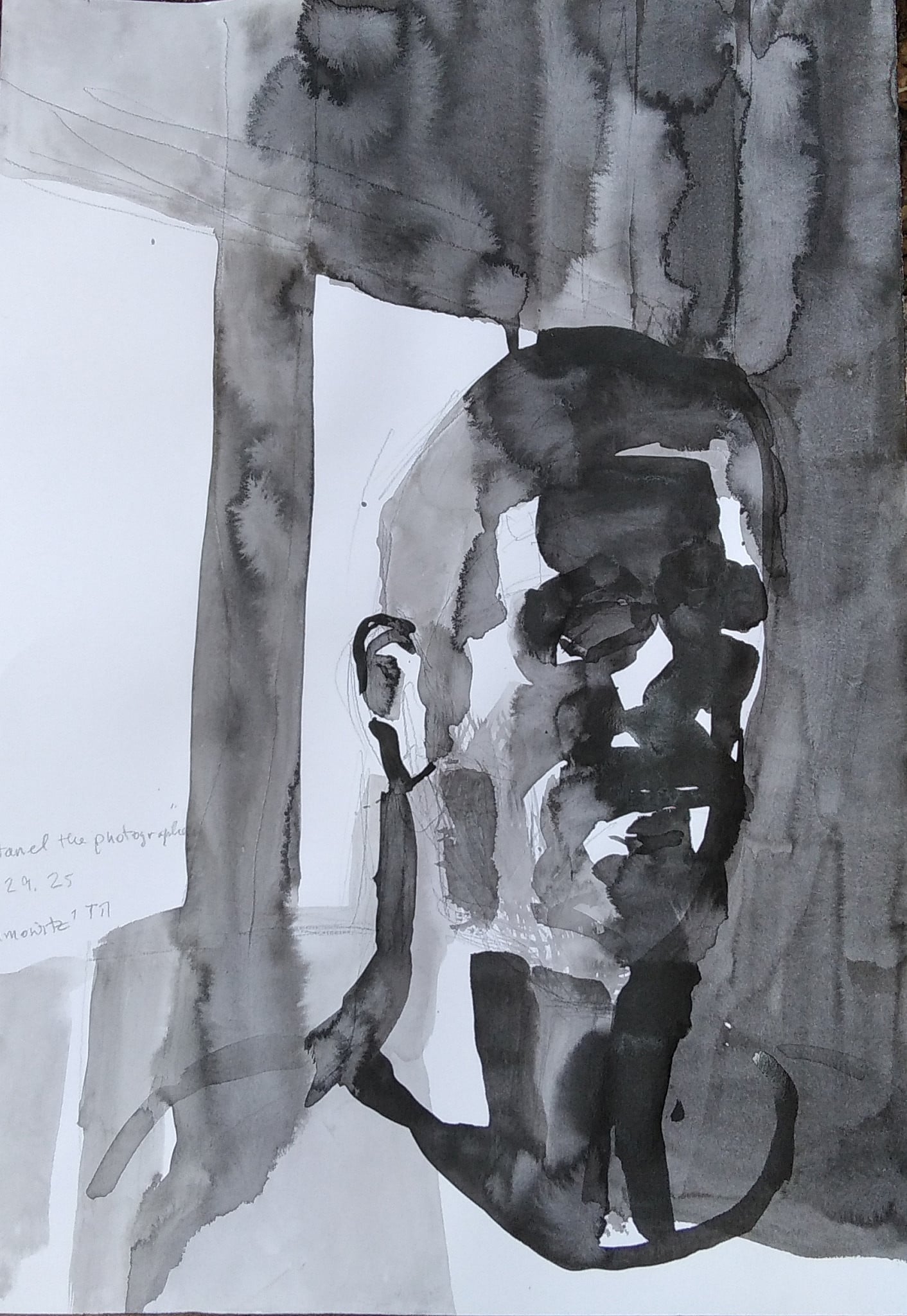
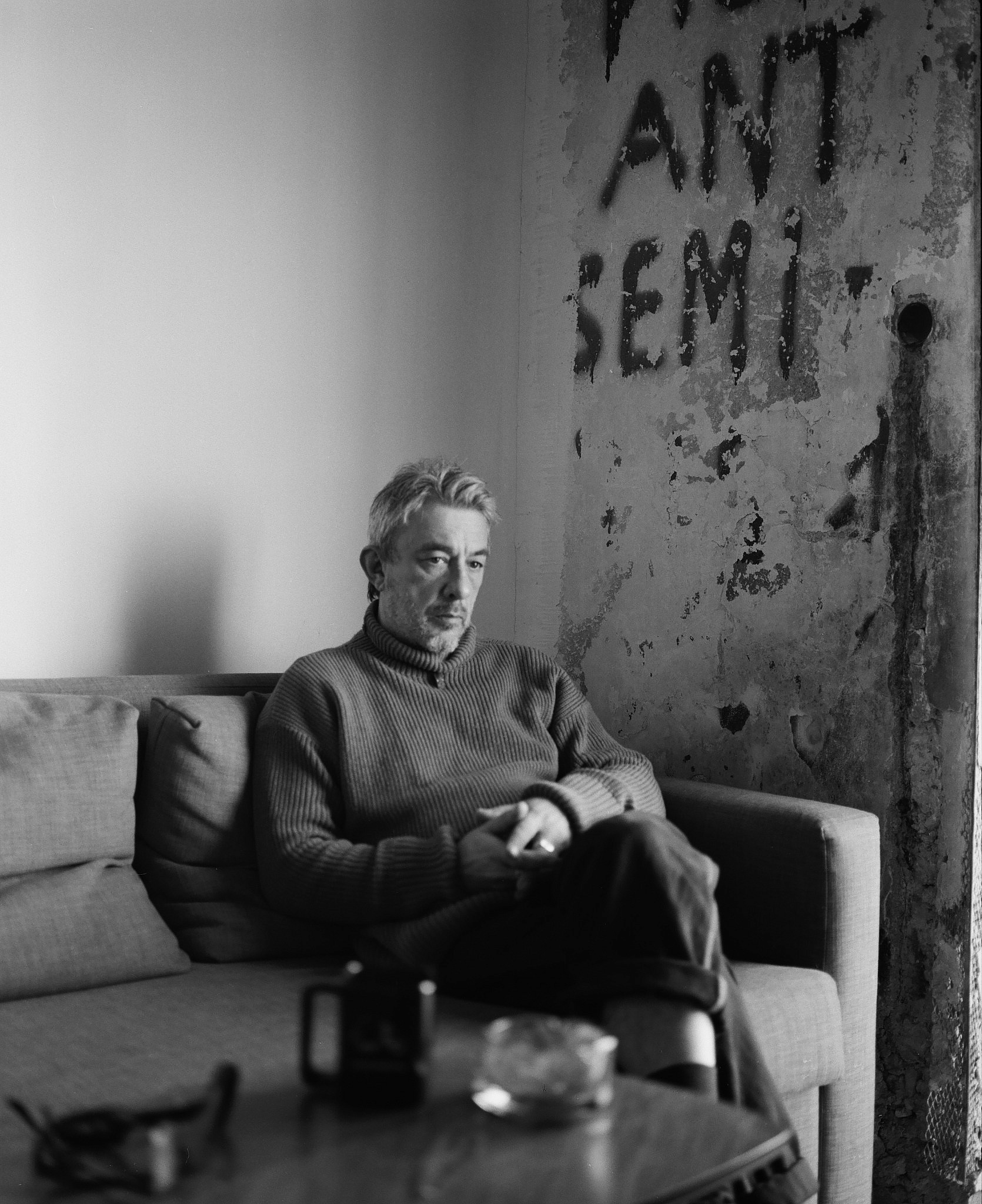
Netanel the Photographer by Heddy Breuer Abramowitz
We are in the thick of it, we are in the incredibly tangled web of Gaza, with accusations of famine, terrorist attacks and the rest. Could it be more complex? Hostages or Hamas?
Tonight we had fighter planes combatting an ICBM threat from the Houthis in Eilat and along the Dead Sea and the Gush Etzion regions. This was after a morning terrorist attack that killed 6, wounded many more, and another three soldiers were killed, some still in their teens. I, and my fellow artists are in pain.
For me, and for the people I am exhibiting with, we turn our eyes to art. We are four who have combined to join together to mount an art exhibit. We are neither blind to the timing, to the anxieties of the families and loved ones, nor to the heart-wrenching choices we, as Israelis, are asked to make.
At the end of the exhibit – after the chagim – we may not be any closer to a solution. But yet, a red moon at night is also unusual, as we witnessed a lunar eclipse this week, and there it was: a red rubber ball. One can only wonder what it was like in other times and places to have the moon disappear, to have the surprise, with no internet to give warning of this rare occurrence. Would a farmer read it in an almanac? What would it mean to his homesteading wife a hundred or two hundred years ago? Or more, hundreds of years ago?
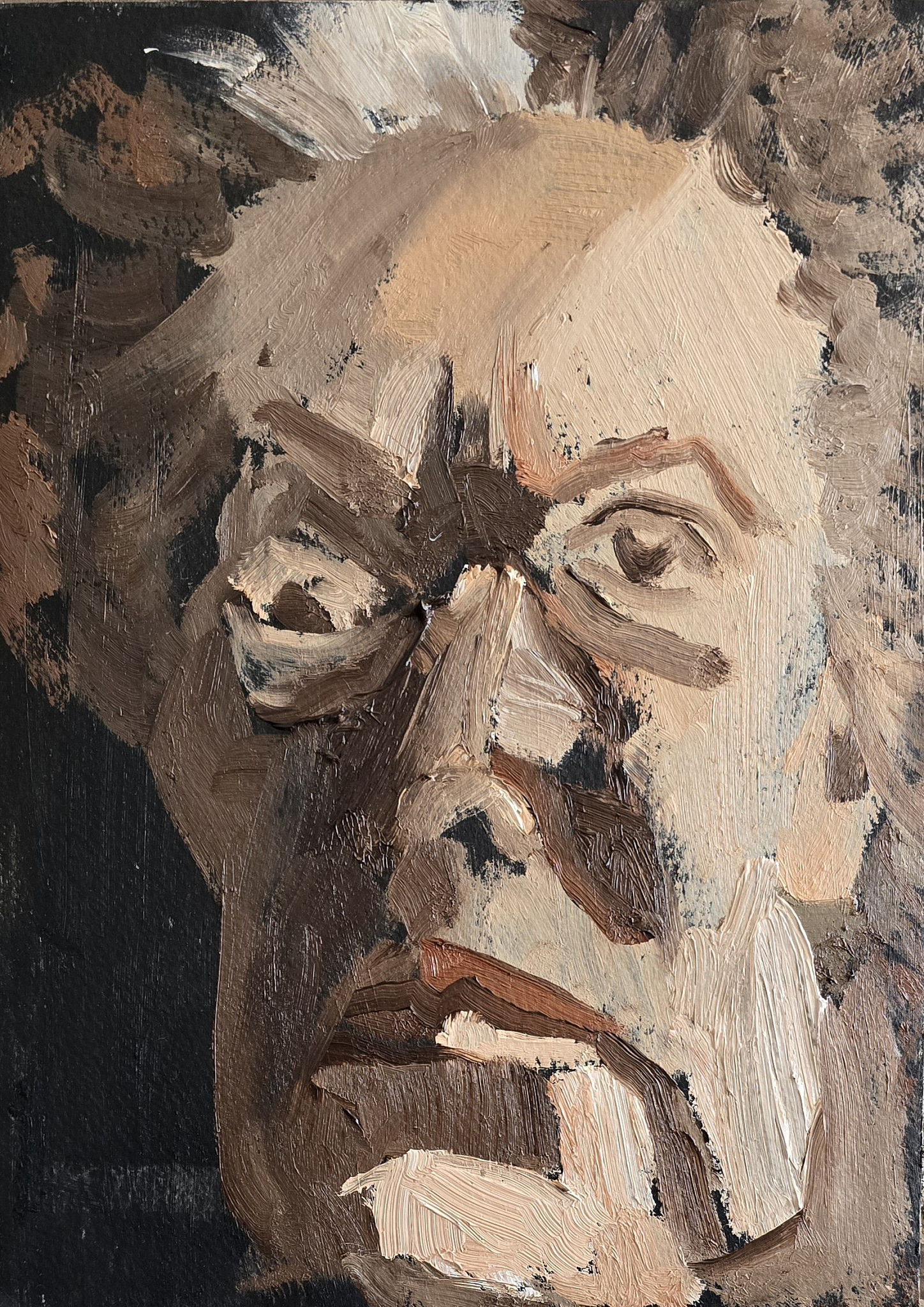
The exhibit A Reason to Get up in the Morning brings together four artists who work in different disciplines and combine here to show their art. I join my colleagues, seasoned painter Judith Appleton, the project initiator, Avigail Fried, a painter and collagist and member of the Marie cooperative gallery, and photographer Netanel Paz, another Marie member, in bringing a show dedicated to the examination of the portrait, as seen through a contemporary focus in photography, oil paint, drawing, and ink. Curator Kate Finkelstein completes the team.
The large (for Jerusalem) Social Space Gallery of the former President Hotel is the expansive room that holds the exhibit. The four artists have produced works that ask:
• What stories can portraits tell in a fractured and polarized world?
- How can the act of portraying another person nurture empathy, trust, and connection?
- What role can art play in affirming the value of each human life amidst war, displacement, and crisis?
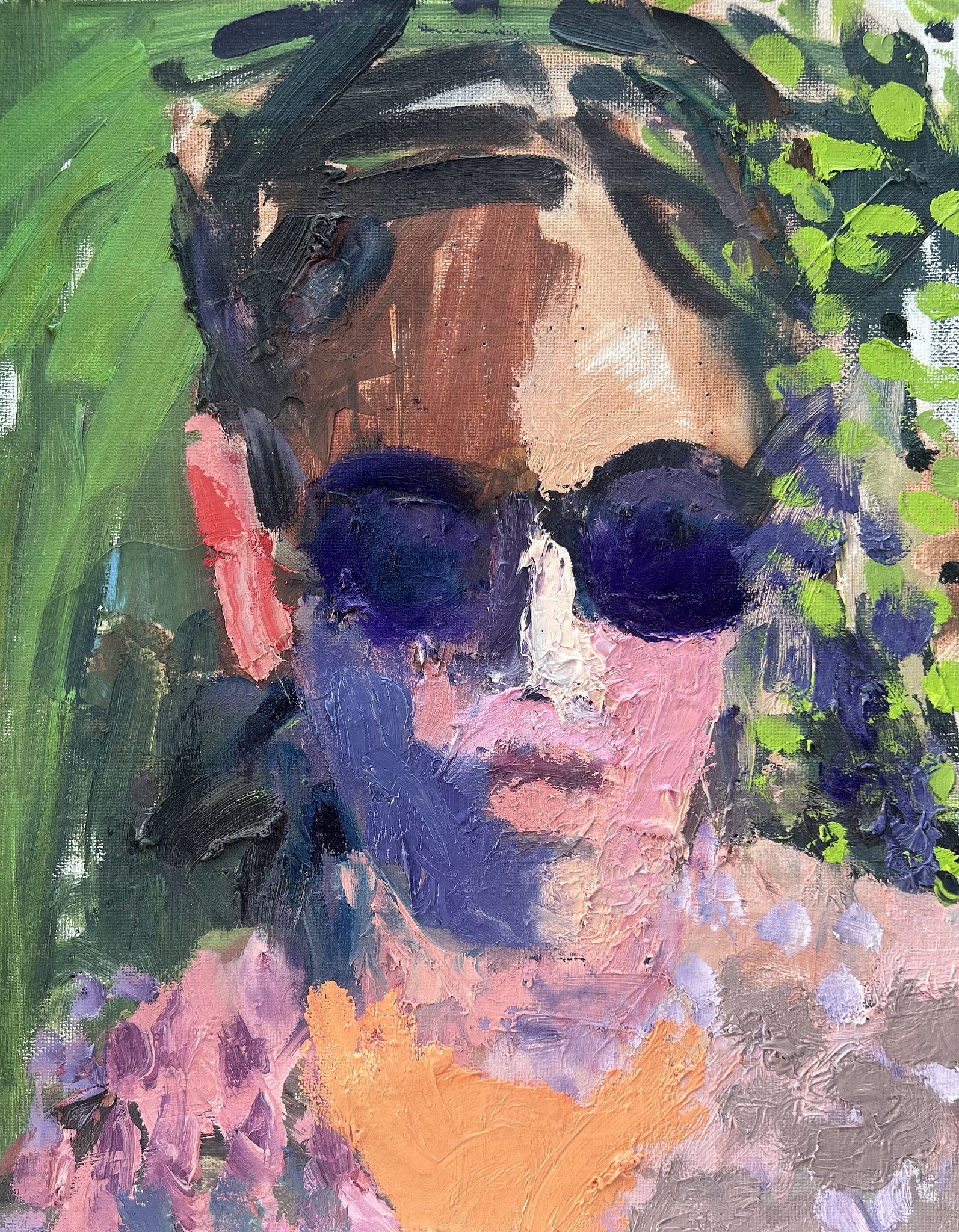
The answers are on the walls around the viewer. The artists have engaged with others in producing portraits and self-portraits in a range of takes and over the course of time.
Finkelstein suggests that the show “is a call to slow down, to see, and to recognize the person in front of us. It resists anonymity in a year when public space has been filled with photographs of the missing, the kidnapped, and the fallen. Against this backdrop of absence and grief, the exhibition affirms presence and life.”
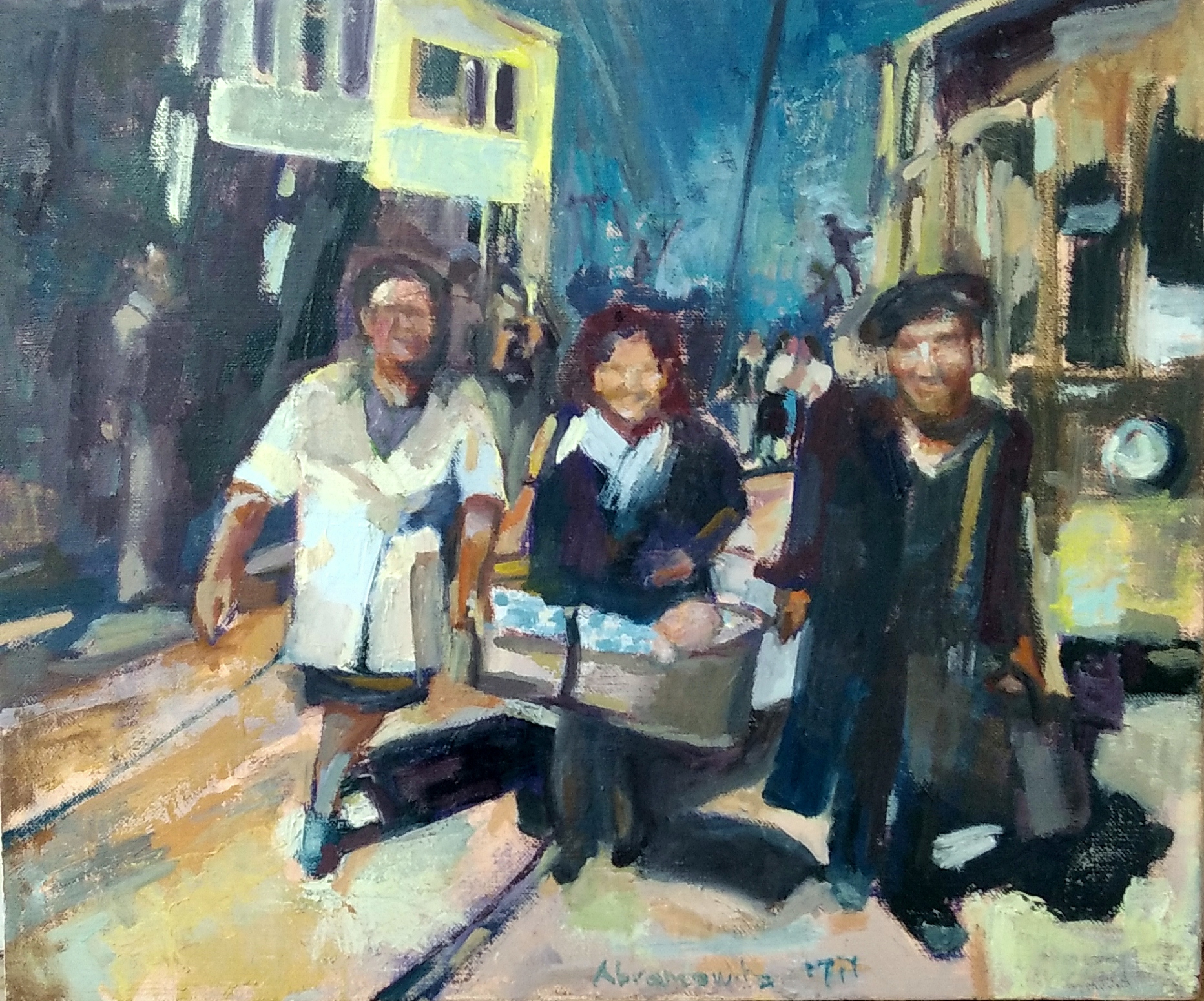
This work, of mine, originated from a black and white photograph that is hung at the end of the new exhibit at Yad Vashem as the survivors pick up the pieces of their lives and before exiting to the breathtaking view beyond it. It shows a young man, his wife and baby as well as an accompanying nurse as they take their first steps on the ground of Israel during the British Mandate. This is after these Hungarian Jews survived Auschwitz extermination camp, they were not permitted entry to the Land of Israel thanks to the policy of equivocation under the United Kingdom’s waffling with the White Paper regarding Jewish settlement that was promised in the Balfour Declaration.
They were interred in Cyprus, in yet another camp and due to their newborn son, were one of the unusual humanitarian exceptions that they were allowed to disembark in the Port of Haifa in 1947. That photograph in black and white, was a challenge to interpret into color, but more than that, this couple are my family. Not in the allegorical or metaphorical sense, but she, Rivka Helfand and her husband Zev were my cousins. (Their baby Ezra is himself a grandfather.) They left us during COVID-19 and this work was made in tribute to their memories.
Our humanity and interactions are in front of us. We four turned our focus on each other and refound our humanity. We are involved with engaging and hope that the visitors will also be willing to slow down, at this very fraught and tense time, to see ourselves through another’s eyes and visit the Social Space to participate in the ever-changing dynamic wall where you can be the subject or the creator. Every face, whether done quickly with fast summary strokes or slowly with built-up cross-hashing, every one of us adds to the chain of humanity through the ages.
Please join us at the Social Space Gallery. For more, please see more, here, or here.
Related Topics
Related Posts