

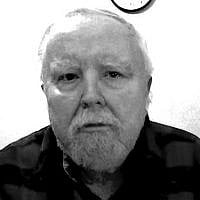
'A former United States Marine'
A stark reminder
The Hebron attack serves as a stark reminder of Israel’s fragile security situation.
The murder of Aharon Cohen, a 72-year-old resident of Kiryat Arba, at the Gush Etzion Junction is more than just another entry in the grim record of terror attacks. It vividly reminds us that life in Israel’s contested heartland remains fragile, risky, and deeply caught in a cycle of violence that neither side seems able—or willing—to break.
A Human Life, Reduced to a Headline
Cohen was more than just a statistic. He was a father, a grandfather, and a man who built his life in Kiryat Arba, a community that mirrors the ideological divides of the Israeli-Palestinian conflict. His death, at the hands of attackers who rammed through and stabbed without discrimination, underscores the harsh reality: ordinary people are bearing the consequences of political deadlock and radicalization.
Hebron: A Microcosm of the Conflict
Hebron is more than just a city. It’s a flashpoint where history, religion, and politics meet. The coexistence between Jewish settlers and Palestinian residents has been tense for a long time. Every attack, funeral, and military response only deepens mistrust and reinforces the narratives on both sides. The killing of Cohen will probably lead to calls for stricter security measures, while Palestinians may see the attackers as martyrs. This is the tragic symmetry of Hebron.
Security versus Normalcy
Israelis living in places like Kiryat Arba understand that “normal life” is a fragile illusion. Soldiers at bus stops, checkpoints at junctions, and the constant fear of attack are everyday realities. However, the resilience of communities in these areas also sends a message: that Israelis refuse to be driven out by terror. The question is whether this resilience is sustainable—or if it prolongs the cycle of violence by keeping the conflict in its most intense phase.
What Does This Demand from Us?
The killing of Aharon Cohen should not be dismissed as just another tragic headline. It should push us to face uncomfortable truths: that the current situation is unsustainable, that security alone cannot solve the conflict, and that both societies are caught in a zero-sum fight. Without a political solution, Hebron will keep bleeding, and families like Cohen’s will continue mourning.
Hebron’s Bloodshed Reveals Leadership Failures
The killing of Aharon Cohen at Gush Etzion Junction is not only a tragedy for his family and community but also a strong rebuke to political leaders who have allowed Hebron to remain a tinderbox where ideology and neglect lead to deadly outcomes.
Leaders Who Speak But Do Not Act
Israeli leaders will condemn this attack, as they have many times before. Palestinian leaders might stay silent or, worse, praise the attackers. Both reactions are predictable, empty, and ineffective. Words won’t stop knives, cars, or bombs. Words won’t protect families at bus stops. Words won’t dismantle the radicalization that drives young men to kill and sacrifice.
Hebron as a Symbol of the Stalemate
Hebron is more than just a city in the West Bank. It’s the most unstable small conflict zone, where a strong military presence protects Jewish settlers and Palestinians face ongoing restrictions. Each attack intensifies the cycle: increased security, growing resentment, and more violence. Leaders on both sides acknowledge this but do nothing to break the pattern. Their failure isn’t due to ignorance—it’s inertia, driven by political convenience.
The Cost of Political Cowardice
Aharon Cohen’s death results from leadership that prefers managing conflict rather than resolving it. Israeli politicians use Hebron as a symbol of resilience, while Palestinian leaders see it as a sign of resistance. Neither side admits that ordinary people are being sacrificed to uphold political narratives. Cohen’s children and grandchildren will live with his absence, but leaders will move on to their next press event.
What Needs to Change
If Hebron is to stop bleeding, leaders must stop hiding behind slogans. Security alone cannot protect Israelis, and martyrdom culture cannot free Palestinians. True bravery involves confronting extremists within their communities, dismantling hate infrastructure, and offering a political vision that makes coexistence possible. Until then, funerals will continue, and headlines will blur into one another.