


Critiquing Ireland's "anti-Zionist" mindset
The Israel Red Cross versus ICRC
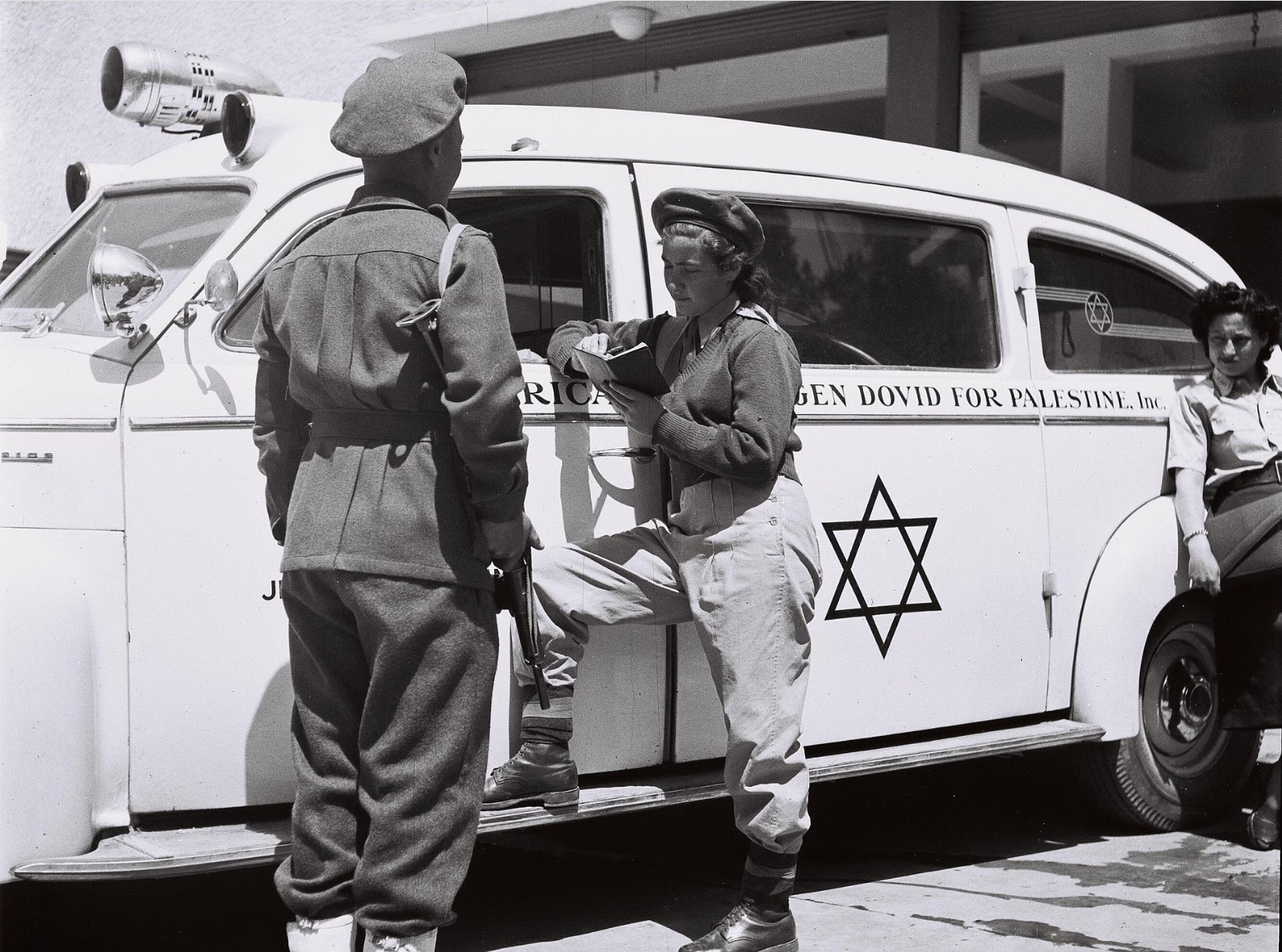
Why Israel’s mistrust of the Red Cross runs deep – and why history still haunts humanitarianism.
Since Israel’s rebirth in 1948, its national emergency service equivalent of the Red Cross, Magen David Adom (MDA), has lived in uneasy tension with the International Committee of the Red Cross (ICRC) — the very organisation charged with upholding the universal ideals of compassion, neutrality, and humanity.
Those tensions have been heightened since the Gaza war, and the Hamas handover of live and dead hostages. For many Israelis, the ICRC’s long, seemingly condemnatory silence, its hesitations, and its moral equivocations have reopened a festering wound that has never truly healed.
Haunted by the Silence of the Past
The distrust runs deeper than modern Middle East politics. It reaches back to the haunting memories of the Holocaust.
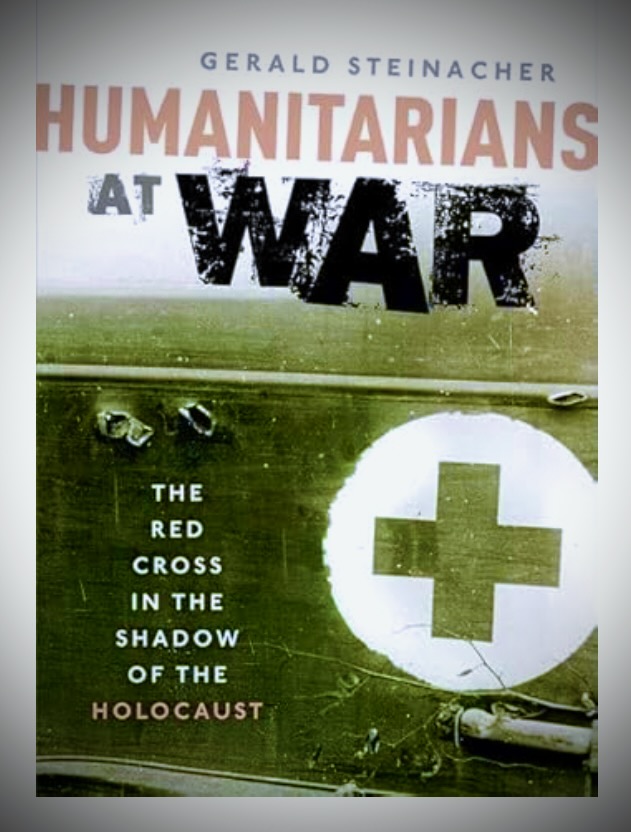
As historian Gerald Steinacher documents in Humanitarians at War: The Red Cross in the Shadow of the Holocaust, the ICRC failed catastrophically in the 1930s and 1940s. It deferred to a “deeply Nazified” German Red Cross, refused to denounce the persecution of Jews, and stayed silent as millions were sent to their deaths.
That failure — the ICRC’s choice of bureaucratic caution over moral courage — remains one of the darkest chapters in its history. For Israelis, the echoes are impossible to ignore.
Abject ICRC policy failures have been allowed to occur. Moral leadership is nowhere to be seen. We know that the ICRC has done little to nothing for the long-held hostages, denying their humanitarian mandate.
When the same institution today pleaded “constraints” or “lack of access” in the face of Hamas’ hostage cruelty, it recalled an earlier significant silence in the face of unspeakable evil.
Gaza: Neutrality or Moral Paralysis?
Families of the captives watched in anguish as Hamas staged grotesque release ceremonies — captives forced to smile and wave for propaganda cameras, “thank-you” certificates thrust into their hands, and “goodie bags” paraded before a cheering crowd.
Throughout, the ICRC had insisted that its “hands are tied.” It said that it cannot act without Hamas’ consent and that it must remain “neutral” in its public statements. Many Jews see this policy as a prejudiced, pro-Palestinian partisanship.
An Arab Changed Red Cross History for Israel
For more than half a century, Magen David Adom had met every criterion for membership in the international Red Cross and Red Crescent Movement. Its ambulances, medics, and disaster responders operated to the highest standards. Yet its admission was blocked year after year — officially because of its emblem, the Red Star of David.
While the Red Crescent societies of Muslim nations were welcomed as early as 1912, the Jewish state’s symbol was judged too “political,” too “religious.”
It took the patient diplomacy of a courageous Arab humanitarian, Dr. Mohammed al-Hadid of the Jordanian Red Crescent, to change the negative narrative. The decision to admit Israel together with the Palestinian Red Crescent was finally announced in 2006, at the 29th International Conference of the Red Cross & Red Crescent, in Geneva, Switzerland.
The Moral Void
In its fear of offending, the modern Red Cross has become timid. It invokes neutrality to justify silence, balance to excuse blindness, and confidentiality to evade accountability. Its humanitarian diplomacy has become an end in itself — more concerned with preserving access than confronting injustice.
“Against the World”
Israel knows that contra mundum Athanasian creed by heart. It has lived it through exile, war, and vilification. And it lives it again today — facing a world quick to doubt its pain and eager to lecture its conscience.
The ICRC and the global community it represents must look again into the mirror of history. Neutrality without moral courage is not virtue; it is abdication.
To be truly humanitarian is to stand for the sanctity of life — not to balance good and evil on the blind scales of abstract diplomacy, but to name them for what they are.
Until that truth is remembered, Israel will stand alone, holding fast to life, to justice, and to the stubborn faith that truth, though outnumbered, never surrenders.
__________________________________________________________________
MDA UK welcomes H.E. Dr Mohammed Al-Hadid
https://mdauk.org/mda-uk-welcomes-h-e-dr-mohammed-al-hadid/
“Humanitarians at War: The Red Cross in the Shadow of the Holocaust” by Gerald Steinacher https://www.amazon.com/Humanitarians-War-Cross-Shadow-Holocaust/dp/0198704933
 How Did Nazis Escape After the War? | Gerald Steinacher(2.40 minutes in for ICRC references) https://youtu.be/i_GcT4En78U?si=dTRAkl5gbcFD_P-Y