


How could a ram replace Isaac in the Akedah?
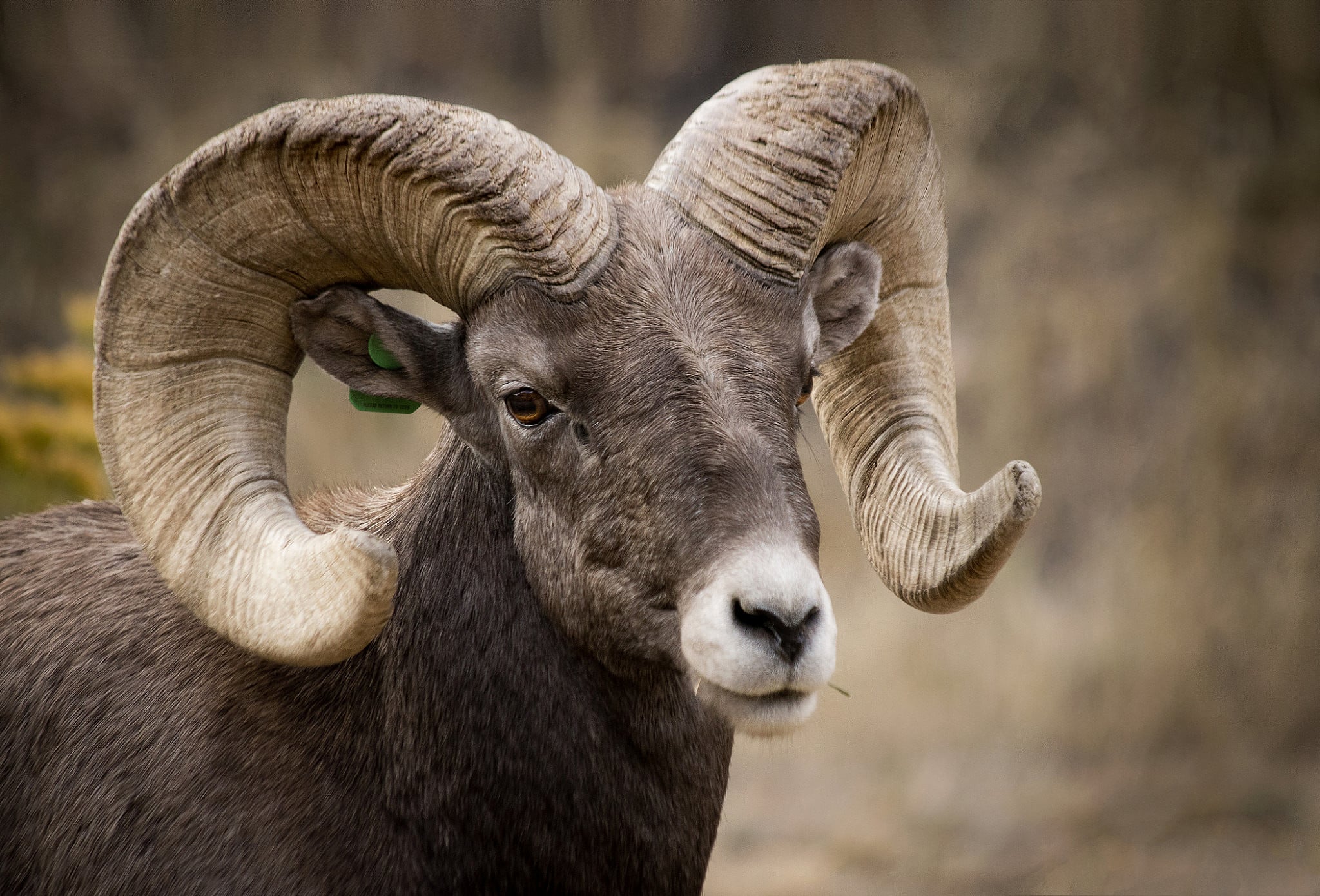
Jewish tradition opts to view the ram with which Abraham substituted the sacrifice of Isaac – narrated in Gen 22:13, the prescribed reading for the second day of Rosh Hashanah (b. Megillah 31a) – as a primordial ram created specifically for the Akedah (which presumably coincided with the festival). Hence, the ram that entangled itself ‘deliberately’ in the thicket will have its horns used for blasting to herald Israel’s ultimate redemption in the end of days, even as Isaac was redeemed from becoming a burnt offering on Mt. Moriah.
The story behind this story is not less significant than the story itself, even as it might spoil the traditionally praised significance given to the ram. As I write in my new book, “Taming the Beast: Human-Animal Encounters in the Bible” (Wipf & Stock), replacing Isaac with a ram as a sacrifice shows Abraham’s recognition of the basic parity between a human and an animal soul. Clearly, only an ensouled creature could be designated as a proxy for a human.
Another iconic biblical narrative, based on the same concept, is the mystifying Yom Kippur ritual centered on the “scapegoat.” That billy goat “receives” the people’s sins and carries them into the wilderness of the Judean desert. This narrative attests to an animal’s ability to become a vicarious recipient of human transgressions.
Abraham’s substitution of Isaac with a ram expressed his belief that the sacrifice of an animal carried for God the same weight that the offering of Isaac would, as though there was no difference in the gravitas of a human or animal sacrifice. No wonder the famed Israeli poet Yehudah Amichai called the ram “the real hero’ [with] his hu-man eyes . . . who seemingly volunteered to die instead of Isaac.” (Amichai, Selected Poetry, 219)
But even more importantly, God never asked Abraham to slay the animal. After all, Abraham would slaughter a ram that did not belong to him; with Mt. Moriah being a three-day walking distance from Abraham’s domicile in Beersheba, the ram most likely belonged to another shepherd. But after its entanglement in a thicket, it could not catch up with the rest of the flock.
As such, this effectively pilfered substitute sacrifice was blemished and uncalled for, given that Abraham violated the requirement to do one’s utmost and return a lost livestock animal to its owner (Exod 23:4, Deut 22:1–2). Above all, God neither requested Abraham to slaughter the ram nor accepted it subsequently as a sacrifice; God would never allude to it at all – it was an unwanted and insignificant offering.