


A Watershed Moment for Israel in DC
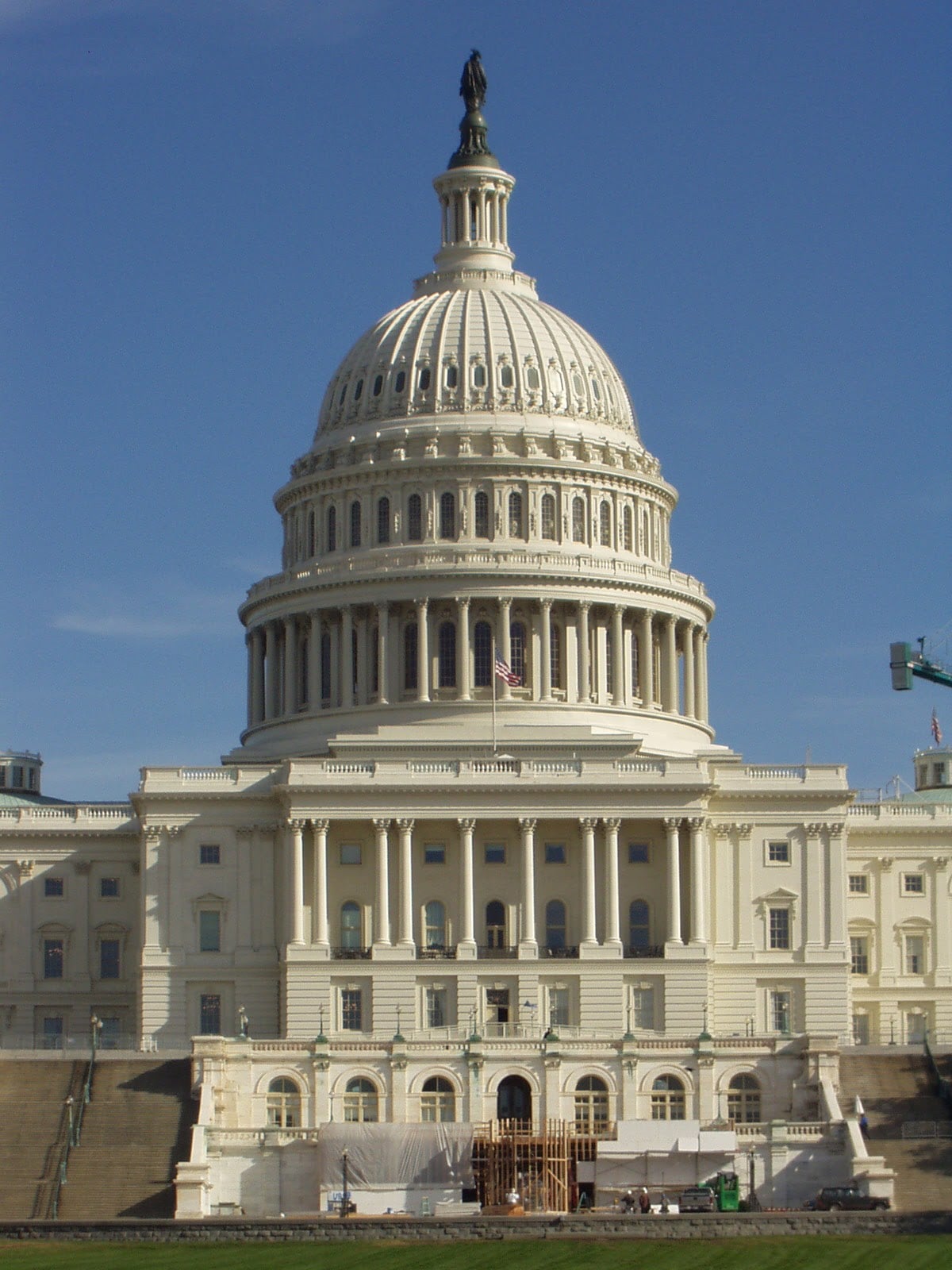
Decades ago, Joe Biden reportedly inscribed a photograph for a young Benjamin Netanyahu with a typical Washington sentiment: “Bibi, I don’t agree with a damn thing you say, but I love you.”
Like he often did, Biden perfectly encapsulated an era where the US-Israel alliance transcended all political friction.
Is that era over?
For as long as I can remember, there was one unbreakable axiom in American politics: standing with the State of Israel was the ultimate sure thing. It was a bedrock, bipartisan consensus that united lawmakers across the ideological spectrum. Supporting Israel wasn’t just a matter of shared democratic values or strategic alliance; Standing with Israel was simply good politics. Because, simply put, supporting Israel increased your odds of winning and (keeping your seat).
Last week’s midterm elections may have shattered that reality, ushering in a watershed, and dangerous moment for supporters of Israel in Washington.
The writing has been on the wall, but the sheer scale of the shift is now impossible to ignore. In dozens of races across the country, candidates heavily backed by AIPAC and the traditional pro-Israel establishment lost their campaigns. In other words, the political shield that once reliably protected candidates who aligned with Jerusalem has been pierced.
But the shifting electoral map is only a symptom of a much deeper, more systemic crisis.
Because yesterday, for the first time in modern history, an American president openly and actively pointed the finger at Israel as a primary catalyst for his party’s electoral defeat.
In his 60 Minutes interview, Donald Trump offered a post-mortem on why Republicans lost their congressional majority. He laid out three explicit reasons:
1. The soaring cost of living and gas prices
2. Public opposition to the war with Iran
3. The political cost of his administration’s support for Israel.
Sure, we can debate the polling metrics and the precise arithmetic of his claims. We can argue whether it was actually Israel (or a dozen other domestic and hyper local factors), that tipped the scales in these midterms.
But ultimately, the objective truth matters less than the political narrative being cemented on national television. I agree with Trump. You may not. Regardless, his read of the electorate is how this election is being framed and perceived: Israel cost Trump the election.
The implications of this framing are devastating. If political strategists and future candidate, Democrat and Republican alike, internalize the narrative that supporting Israel is an electoral liability, it will serve as a massive deterrent.
We may be entering an era (are we in it?) where candidates will actively seek daylight between themselves and the Jewish State in order to survive at the ballot box. Just a few short years ago, intentionally distancing oneself from Israel was a fringe, mostly unwise strategy; tomorrow, it may become the standard playbook.
How did this happen?
It is easy to point fingers at the usual suspects. The unchecked antisemitism and virulent anti-Israelism festering within the woke, progressive Left have certainly poisoned the discourse. ElSayid, in his victory speech, actually said “we don’t want our money sent to do apartheid or genocide or war,” and I’m sure he believes it.
Similarly, the resurgence of isolationist, America-first extremism on the crazy Right has eroded traditional conservative support for foreign alliances. By intertwining national security with apocalyptic theology, this extreme faction has effectively sacralized geopolitical retreat, replacing strategic foreign policy with domestic culture-war grievances. This shift is perfectly encapsulated by commentators like Tucker Carlson, who famously framed global adversaries as spiritual allies by asking his audience, “Why do I hate Putin so much? Has Putin ever called me a racist? … Has he tried to snuff out Christianity?”
Ultimately, both extremes have done undeniable damage, resulting in a fractured American foreign policy.
But, these targets are too easy, and they are not the primary culprits of this structural collapse.
For that, we must look at the leadership in Jerusalem and Washington.
More than anything else, this moment is the bitter harvest of a dangerous game played by Benjamin Netanyahu and Donald Trump over the last decade, one that analysts have been warning against for a decade.
By turning American support for Israel into a partisan wedge issue, by aligning the Jewish state so intimately with the Republican party only and Trump only, Netanyahu and Trump have traded long-term strategic survival for short-term political victories. They treated bipartisan consensus not as a strategic asset to be protected, but as a poker chip to be cashed in.
By turning American support for Israel into a partisan wedge issue, and by aligning the Jewish state so exclusively with Donald Trump and the Republican Party, Netanyahu and Trump have traded long-term strategic survival for short-term political victories. They treated bipartisan consensus not as a strategic asset to be protected, but as a poker chip to be cashed in.
They played with fire, assuming the traditional rules of American politics would insulate them from the burn. They were wrong. What we are witnessing today is a massive, generational strategic backfire.
Rebuilding the bipartisan consensus that took decades to build will not be the work of a single election cycle. It will require a fundamental reassessment of how Israel engages with the American political system.
Until then, pro-Israel advocates must navigate a dark, unfamiliar reality: one where the Jewish state is no longer a political sanctuary, but, at least in some places in Washington, a political scapegoat.