President, Kam Global Strategies
Featured Post
Abe Foxman carried the moral weight of a generation
For 17 years, I watched a master communicator fight antisemitism with extraordinary instinct, clarity of purpose, and an unwavering sense of responsibility
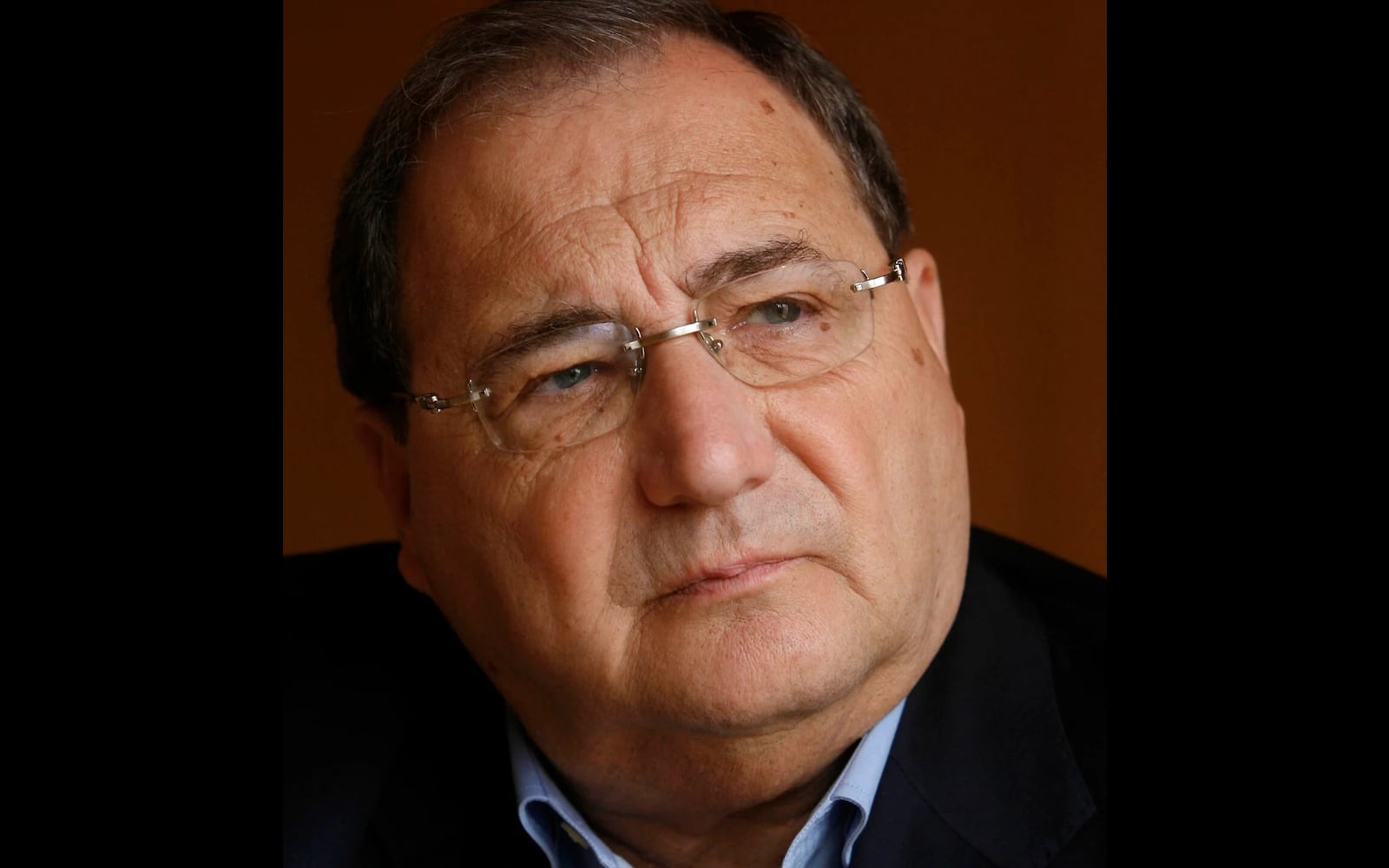
Abraham Foxman (Miriam Alster / Flash 90)
For 17 years, I had the privilege of working alongside – and learning from – Abe Foxman, one of the great Jewish leaders of our time.
To almost everyone who knew him or knew of him, he was simply Abe. No last name needed.
To the public, Abe was the face and moral voice of the fight against antisemitism as national director of the Anti-Defamation League for 27 years. In fact, he was with the organization for 50 years, his entire career. To world leaders, he was an adviser, strategist, diplomat, and perhaps most importantly, conscience. To me, he was my mentor during my years at ADL and a friend for decades afterward.
Abe gave me opportunities that shaped my entire professional life. As my husband’s diplomatic career moved our family from New York to Washington, then to Israel and back again, Abe always found a place for me within the organization. With him, I learned how to operate within a large and growing bureaucracy and navigate the international Jewish communal space. I honed communications skills – he was without a doubt one of the best and most instinctive PR mavens I have ever encountered – and I traveled with him, finding myself in the room with leaders from around the world while Abe advocated tirelessly for the safety of the Jewish people.
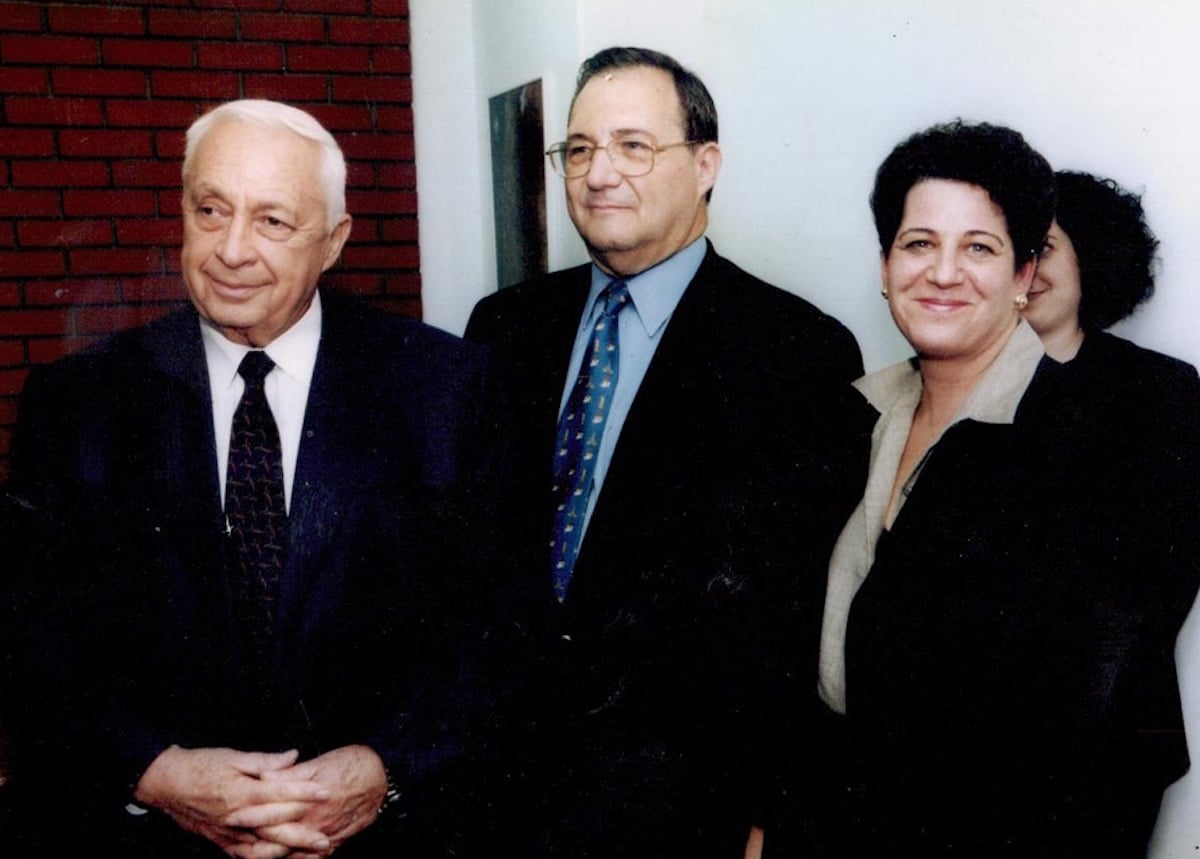
My chapter at ADL ultimately came to a close during the painful and turbulent period in the early 2000s surrounding the AIPAC espionage investigation, when sensitivities about ties to the Israeli Embassy became overwhelming. At the time, my husband was preparing to become deputy ambassador at the Israeli Embassy in Washington, and it was felt that my connections to the embassy were simply too close for the political climate of that moment.
I was shattered, both personally and professionally. But even then, I never lost respect for Abe. I understood the impossible pressures under which Jewish organizations often operate.
I always believed that what made Abe extraordinary was not merely his title or influence. It was his ability to communicate naturally, almost effortlessly. He could walk into a room filled with presidents, diplomats, journalists, or community members and immediately understand exactly what needed to be said – and how it needed to be said – in the most authentic of ways.
Abe belonged to a generation of Jewish leaders shaped directly by the Holocaust, by lived experience. That generation is disappearing now, and with it disappears a kind of moral authority that cannot easily be replaced.
Like my own parents, Abe was a hidden child during the Holocaust. He survived because brave non-Jews hid him from those determined to exterminate Jews. That experience never left him, and it bonded us.
Abe loved Israel intensely. Some of his closest and dearest friends were here. And in Israel, a slightly different side of Abe emerged. He could be a bit more casual, more relaxed, even as prime ministers, senior officials, and Palestinian leaders alike made time to meet with him and listen carefully to what he had to say.
Today, antisemitism is once again reaching levels many of us never imagined we would witness in our lifetimes. Around the world – including in places once considered safe – Jews again feel isolated, threatened, and increasingly unwelcome.
For those of us who spent decades fighting antisemitism professionally, this moment feels especially painful. We thought the lessons of history had been learned. More than anyone, Abe dedicated his life to making sure they would be.
Abe retained a stubborn belief that education, dialogue, and moral clarity still mattered. He believed people could change. He believed democracies could correct themselves. He believed Jewish survival was not merely about fear, but about courage and continuity.
But he was clear-eyed about the state of antisemitism today and in recent conversations, I sensed a pessimism in him that I had rarely heard before. In one of his last interviews just two months ago he said: “This is a very, very dangerous time, and I don’t see political leaders standing up and saying that this is unacceptable, un-American, unhealthy, un-Christian, and immoral, even though it is all those things.”
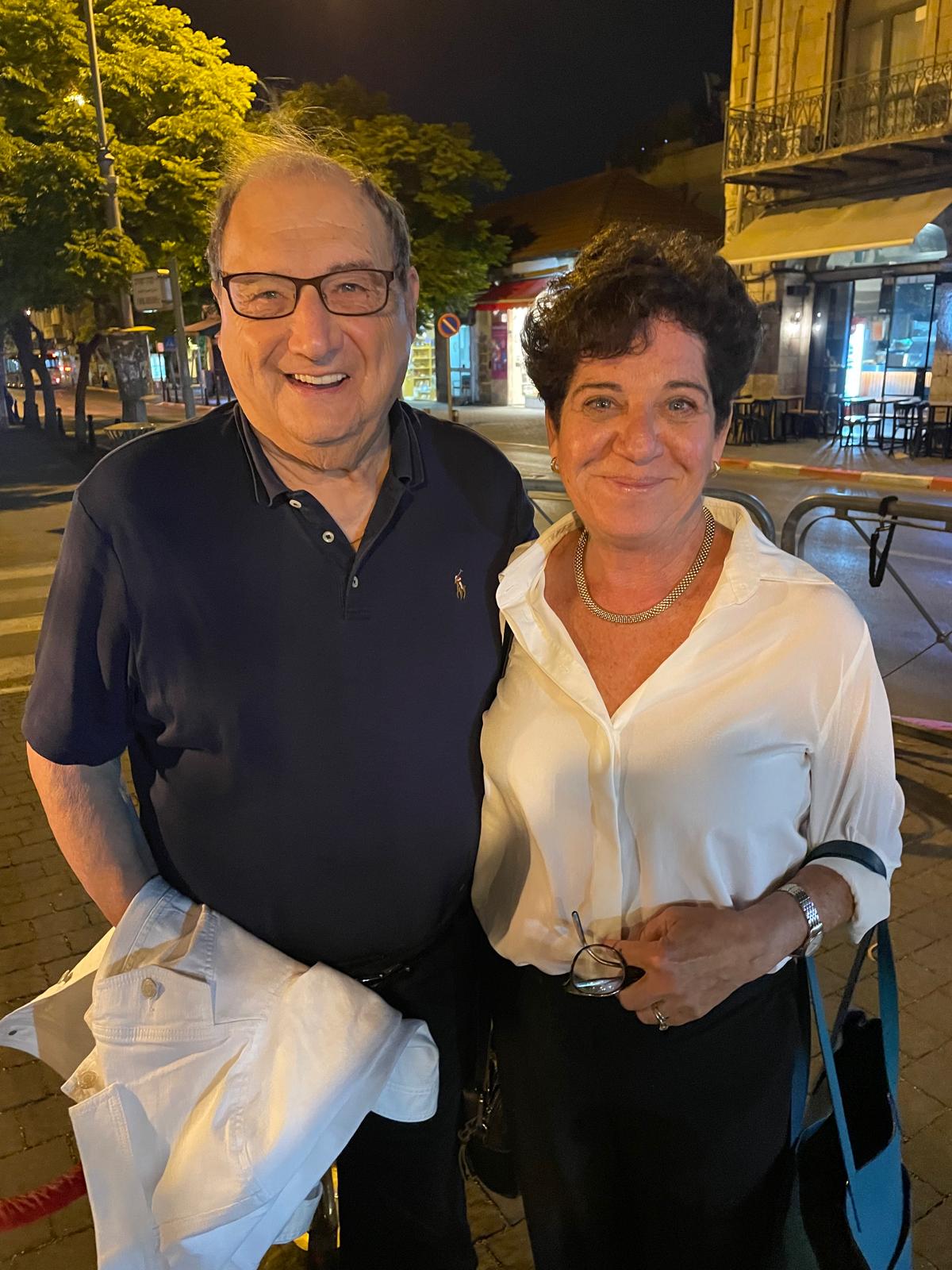
I will remember many things about Abe: his brilliance, his humor, his intensity, his seemingly endless energy. But most of all, I will remember his warmth.
And I will miss the Abe hug.
Those who know what I am talking about, know.
Related Topics