
AI Isn’t Killing Music — It’s Completing Its Democratization
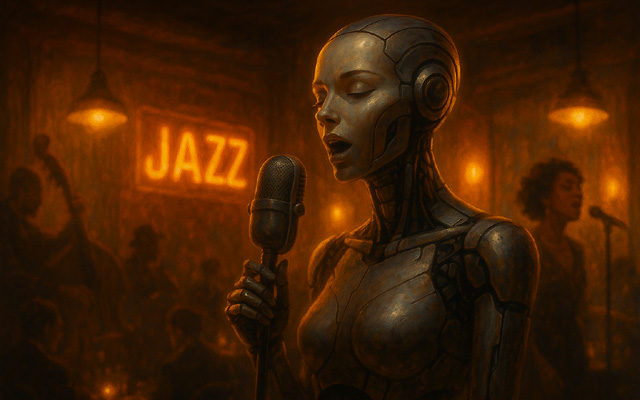
Every generation of musicians seems to forget how much noise they made when the next big thing arrived. Today, the uproar is about AI vocals — “soulless,” “unnatural,” “fake emotion,” and all the rest. Some producers who build entire tracks inside Ableton or Logic are now shaking their heads at AI tools that sing, mix, and even compose. But if you rewind history just a little, you’ll notice this movie has played before. Many times. Every major shift in music production — from electricity to algorithms — has been greeted with the same disbelieving chorus: “That’s not real music.”
When the Electric Guitar Lacked Soul
When the electric guitar first appeared, traditionalists turned up their noses. They said it “lacked soul,” that amplifying strings was cheating, that true emotion could only come from acoustic wood and wire. Yet that same supposedly “soulless” instrument went on to give birth to blues rock, jazz fusion, psychedelic soundscapes, and entire musical movements that redefined the twentieth century.
When Rap Wasn’t Music
History repeated itself. In the early days of hip-hop, many established artists dismissed it as noise. Ray Charles famously remarked that rap “wasn’t music,” doubting that rhythm and poetry without melody could be art. But rap went on to reshape popular culture, language, and rhythm itself. Its critics, like those of the electric guitar before them, simply couldn’t see where the energy was heading.
When the 808 Was a Joke
Then came the Roland TR-808 — a machine that dared to replace drummers. Purists complained it was robotic and cold. Yet what was once “soulless” became the very heartbeat of hip-hop, techno, house, and modern pop. The same people who mocked its synthetic thump now treat it with religious reverence.
When Computers Became Instruments
Fast-forward to the rise of digital audio workstations like Ableton Live, Logic, and FL Studio. The musicians who once worshipped their 808s and tape machines sneered at the new laptop producers, saying they “clicked instead of played.” And yet those laptops opened entire worlds of sound — sampling, warping, layering — that analog gear could never reach.
Now AI Is the New Electric Guitar
And here we are again. The same story plays out: AI vocals, AI beat makers, AI composition tools. Critics claim they lack soul, that they’re synthetic, that the human touch is being lost. But that’s what they said every time. Each new tool looked like a threat until it became the next instrument. AI is not the death of creativity — it’s the continuation of it.
The Power of Democratization
AI is doing what every musical revolution has done before: democratizing creation. No longer must a singer have access to a studio or a label to realize a vision. No longer must a composer rely on expensive musicians to hear an idea come alive. AI gives anyone — in any bedroom, in any corner of the world — the power to make music that can stand beside chart-toppers. It breaks the monopoly of labels and executives who used to dictate which artists could exist. Now, inspiration and curiosity are the only requirements.
The Human Still Matters
Of course, AI won’t replace the human spark. It still takes feeling to guide the process, vision to select what resonates, taste to decide what’s worth finishing. The tools only expand the possibilities. They give us more ways to experiment, to fail faster, to dream louder.
The Future Sounds Strange (and That’s Good)
So, let’s not pretend this is new. The electric guitar, rap, the 808, and the DAW — all were met with fear before they became indispensable. AI music is simply the next verse in the same song of progress. And who knows what comes next? Maybe we’ll jam with sentient soundscapes that improvise back. Maybe our fridges will drop verses. Or maybe your toaster will drop a fire remix at breakfast.
Whatever happens, music will keep evolving — because it always has.