


America at 250: Celebration, Covenant, and the Work Ahead – B’ha’alot’kha 5786
It’s one of my earliest memories.
My parents and I were living in Jerusalem while they were on sabbaticals.
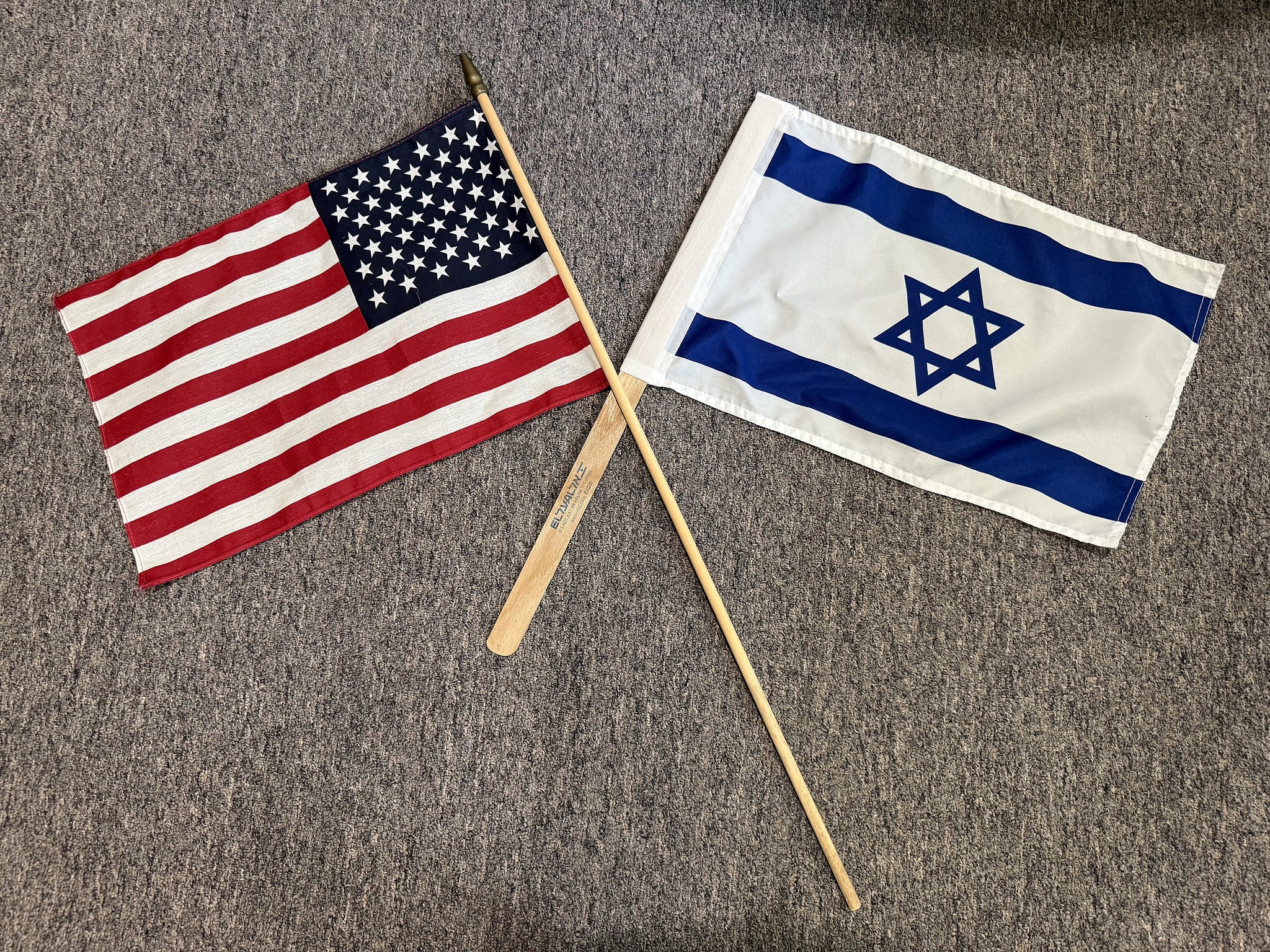
I was a young boy, and the main thoroughfare near our apartment was lined with Israeli and American flags.
It was July 4, 1976. I remember being on my father’s shoulders.
There was music and celebration as Israel celebrated America’s Bicentennial.
And then the celebration changed.
The joy grew more intense.
Only later did I understand why: word was spreading that Israel had rescued the hostages in Entebbe. An unbelievable mission that saved many Jewish lives.

So my earliest memory of July 4th is not fireworks over the Charles or over the East River, but flags in Jerusalem, American pride and Jewish pride.
*****
Since then, I have thought about America’s 250th birthday.
Where would I be? What would this country be like decades later?
A quarter of a millennium.

Somehow, 250 has always felt a whole lot bigger to me than 200.
And yet I find myself approaching this anniversary with mixed emotions.
On the one hand, I love this country deeply. On the other hand, I am saddened by threats to the ideals on which this country was founded: equality, liberty, human dignity, consent of the governed, truth, the rule of law, and the covenantal responsibility of citizens to one another.
America has never fully lived up to those ideals.
The founders themselves did not live up to them.
But the greatness of America has never been that it was perfect. It’s not and no country is.
Its greatness has been that its own founding words keep calling it forward.
Recently, I asked my son Matan what he loves about this country.
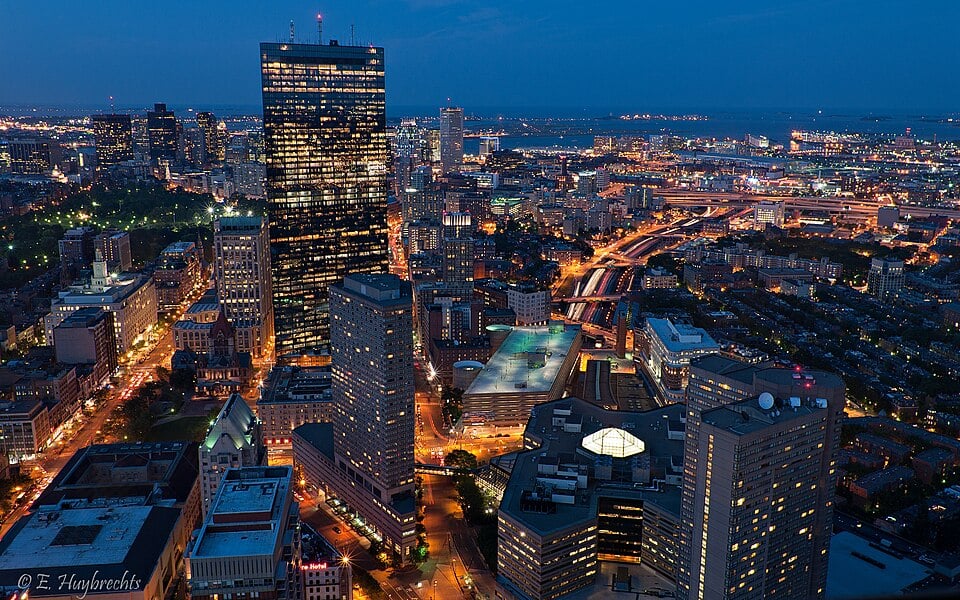
His list was wonderful: New England, Massachusetts, cold beaches, Boston, baseball, American sports culture, colleges, great writers, American poetry, and the amazing music, which he is very into: folk, Americana, country, jazz, blues, rock, and hip-hop. A country that created, absorbed, transformed, and gave the world so many wonderful sounds.
Pick something from this list that you think would be good.
And I thought: yes. All of that.
I love this country. I love driving through it, biking through it, running through it. Even running from Hopkinton to Boston is its own kind of pilgrimage.
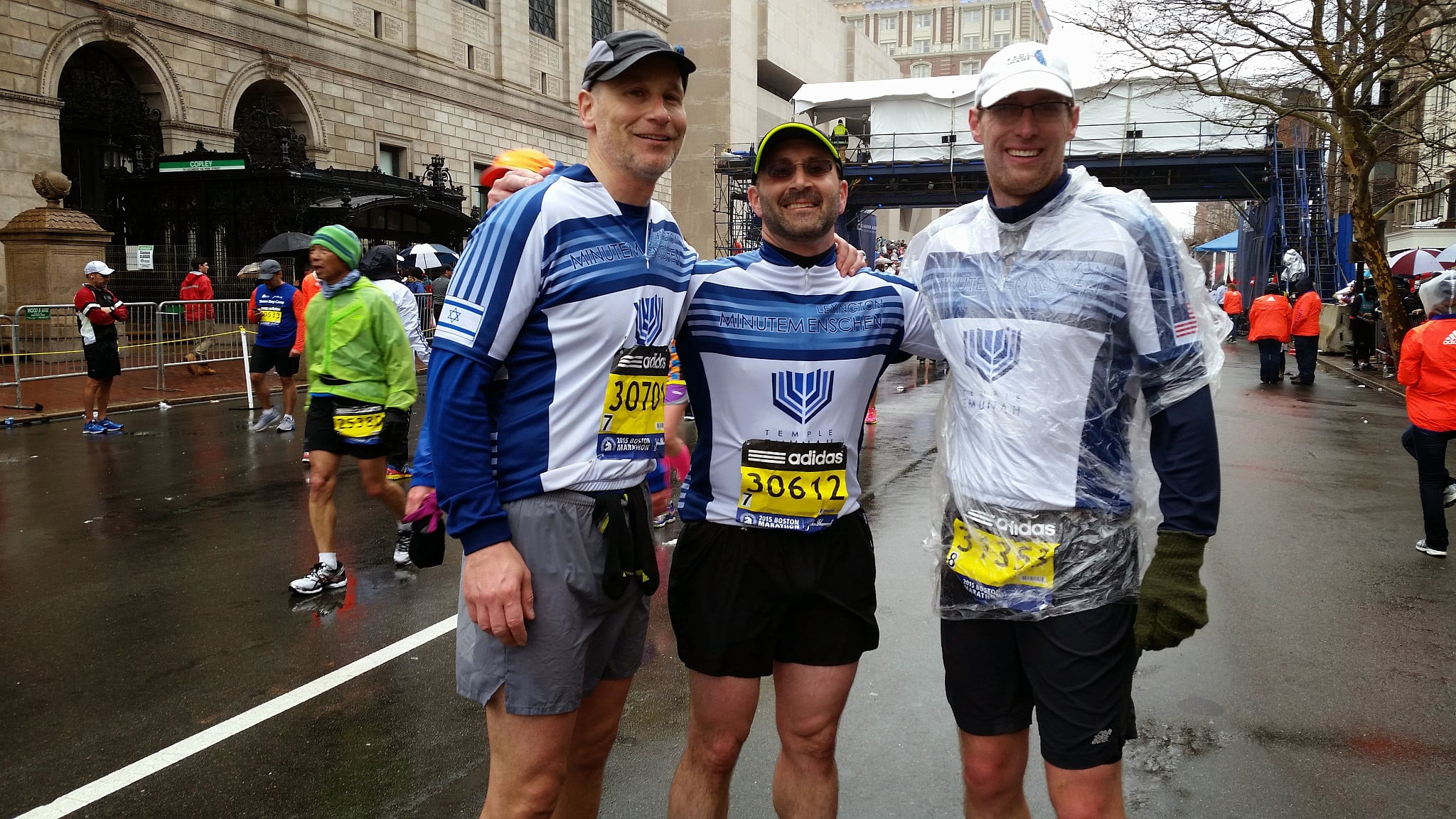
There is so much beauty here.
So much creativity.
So much possibility.
So many different people, from so many different places, bringing with them stories of courage, sacrifice, and overcoming.
Together, they have helped build this amazingly open and tolerant society, a society where Jews have thrived on a scale our ancestors could hardly have imagined.
But love of country does not mean saying everything is fine when it is not.
That is true in a family. It is true in a synagogue. It is true in Judaism. It is true in Israel. And it is true in America.
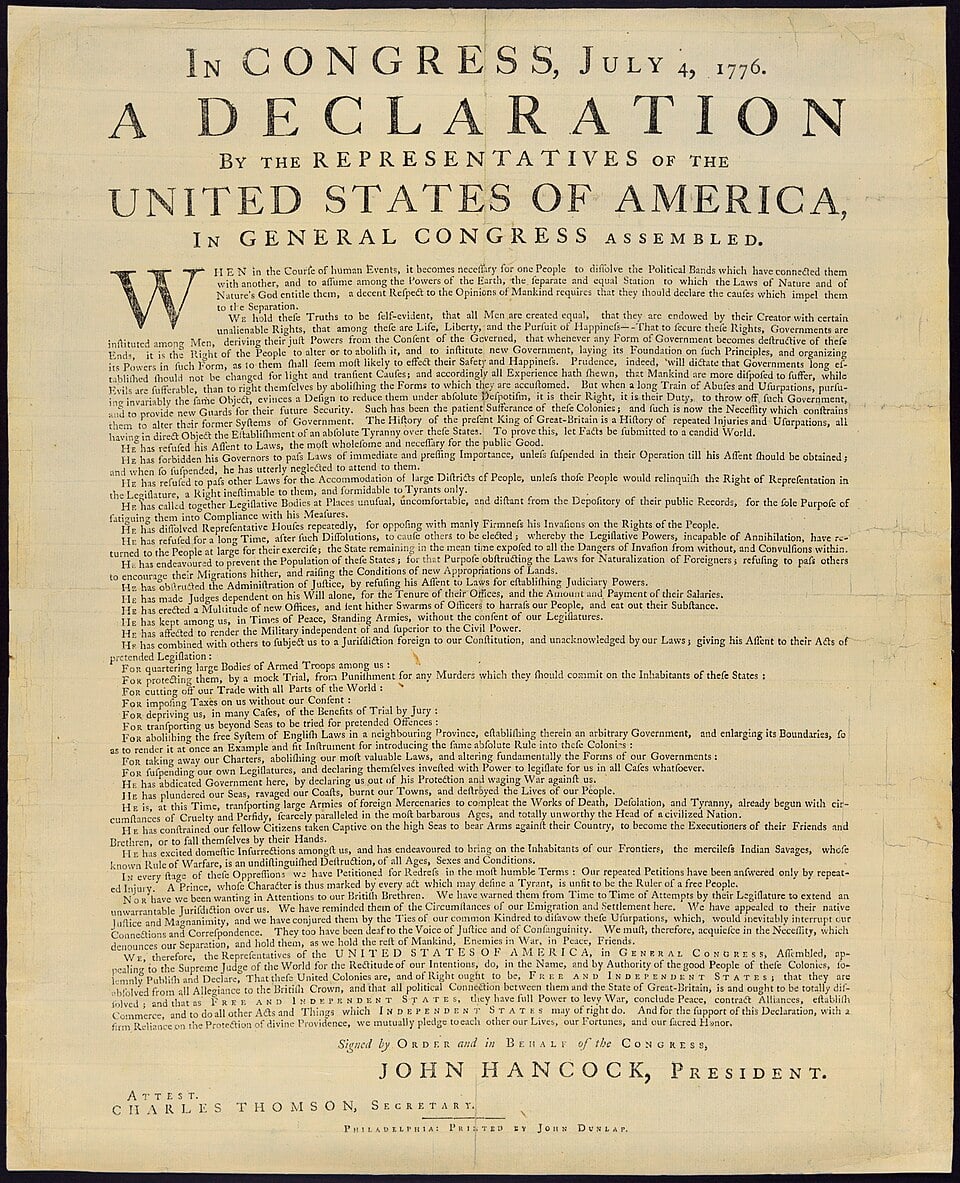
The Declaration of Independence begins by insisting that there are truths.
And among them: that all people are created equal, that we have rights that cannot be taken away, and that governments derive their just powers from the consent of the governed.
That first idea feels deeply Jewish.
It sounds like the opening chapter of the Torah, where we are taught that each and every human is created b’tzelem Elohim, in the image of God.
We are fundamentally equal, each of us containing a spark of the Divine, a truth that unites us and reminds us that every person is of infinite worth.
It is important to note that the Declaration of Independence was not perfect when it was written.
Its authors excluded far too many.
But the words themselves became tools for later generations: abolitionists who fought slavery, suffragists who demanded the vote for women, labor organizers who insisted on dignity for workers, civil rights marchers who crossed bridges and filled jails, immigrants, like most of our ancestors, who sought refuge and opportunity, and so many others who said: “America, live up to your own promise.”
*****
At the end of this week’s parashah, B’ha’alot’kha, Moshe gathers seventy elders to help carry the burden of leadership. But two men, Eldad and Medad, remain in the camp, outside the official gathering place.
And yet, the Torah teaches, the Divine spirit rests on them as well.
An assistant runs out and tells Moses, “Eldad and Medad are acting like prophets in the camp!”
And Joshua says: “My lord Moses, restrain them!”
But Moshe responds with one of the most expansive lines in the Torah, in Numbers 11:29:
וַיֹּאמֶר לוֹ מֹשֶׁה: הַמְקַנֵּא אַתָּה לִי? וּמִי יִתֵּן כָּל־עַם יְהוָה נְבִיאִים, כִּי־יִתֵּן יְהוָה אֶת־רוּחוֹ עֲלֵיהֶם.
“Would that all Adonai’s people were prophets, that Adonai put the divine spirit upon them!”
In this instance, Moshe does not hoard holiness.
He does not say: prophecy belongs only to those in the tent, only to those in the center, only to those with formal authority. Instead, in this moment, he imagines a community where the circle of spirit and responsibility grows wider.
*****
That has been one of the great strengths of both Judaism and America at their best.
And the American story has continued to unfold as more people who were pushed to the margins insisted that the circle grow wider: Jews and other religious minorities, African Americans, women, people with disabilities, LGBTQ+ Americans, people of other faiths and races, and so many others.
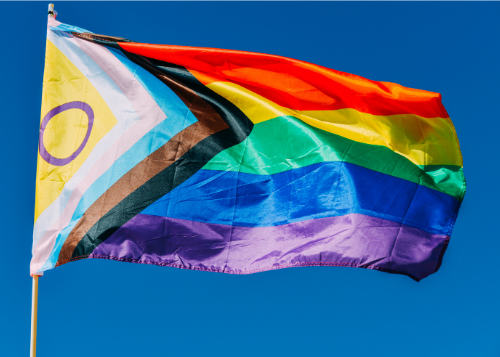
They did not ask America to become something else.
They asked America to become more fully itself.
The struggle has never been easy. The progress has never been complete. But the aspiration remains.
*****
So how should we celebrate America’s 250th birthday?
Fireworks.
Baseball, hot dogs, apple pie, and Chevrolet, though we may need a vegan option.
But Jews know that a birthday or a new year is not just a party.
Rosh Hashanah, the birthday of the world, is filled with meals, apples and honey, family, food, and sweetness.
But then we come to shul.
We pray. We listen to the shofar.
We ask: Who are we?
Where have we fallen short?
What must we repair?
*****
So for July 4, 2026, let’s do the same.
Celebrate, yes.
But also make it a day of civic teshuvah.
A day of recommitment.
A day of reading the Declaration of Independence, not merely as basic history, but as a moral challenge.
Maybe every July 4th gathering should include the reading of the Declaration.
“We hold these truths to be self-evident, that all men are created equal, that they are endowed by their Creator with certain unalienable Rights, that among these are Life, Liberty and the pursuit of Happiness.”
Governments derive “their just powers from the consent of the governed.”
“Let Facts be submitted to a candid world.”
*****
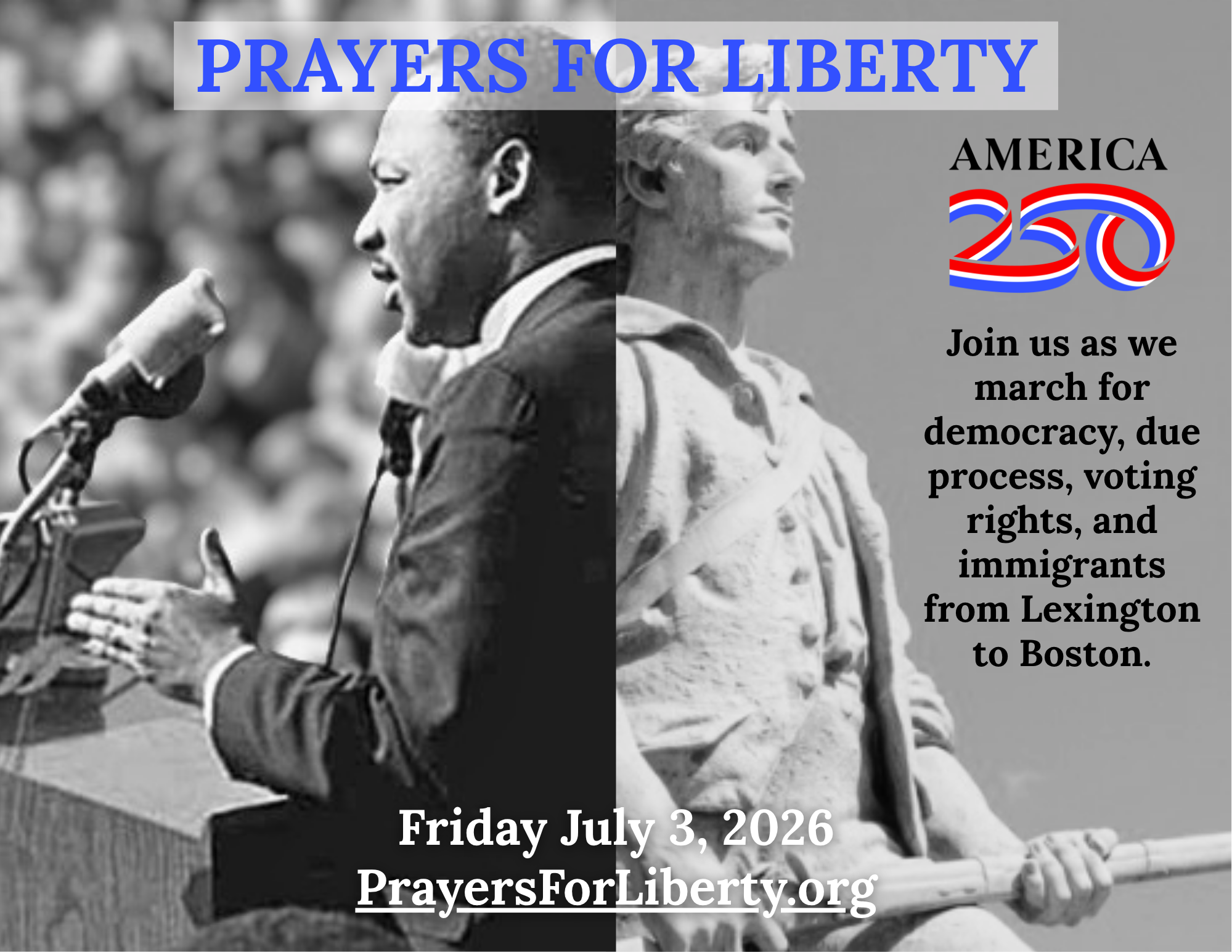
On Friday, July 3, the observed federal holiday, I invite you to join me on the Lexington Battle Green.
People of all faiths and no faith will gather where the American Revolution began. We will read from the Declaration. We will pray. We will sing. And then we will march toward Boston, praying with our feet, as our ancestors, Jewish and American, taught us to do.
This is true patriotism.
The belief that America can still rise to the occasion, can try to reach for its vision of its best self.
B’ha’alot’kha begins with raising the lamps. The question is whether we can carry the light of our deepest values into the journey ahead.
America at 250 should be a party.
But it should also be a recommitment: to equality, liberty, truth, democracy, and the dignity of every human being.
May we celebrate this country with gratitude. May we confront its failures with honesty. And may we help it become what it has always promised it could be.