An Amateur Voice, trembling with a Sacred Duty
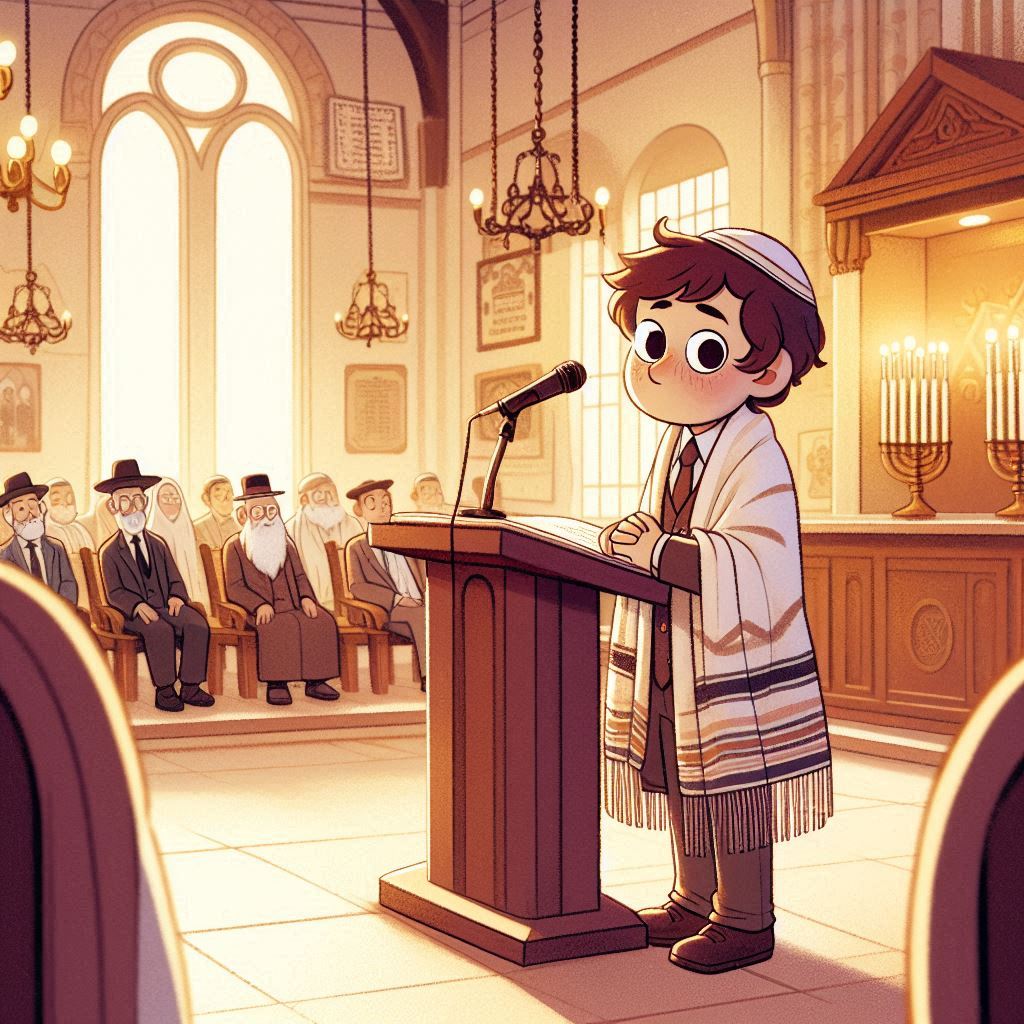
This is for the amateurs – those of us who step up to the amud (prayer stand) on the High Holy Days with no cantorial degree, minimal vocal training, and a heart full of hope and nerves. I’m not a professional chazzan (cantor) and would not dream of offering any advice to these truly special and skilled experts. Sadly, there are not enough of them, so we pick up the strain.
I’ve been leading tefillah (prayer) for over 25 years, and my heart still pounds every time I face the congregation. If you know that mix of awe and anxiety, this is for you. And if you suffer from putting up with someone like us in the family, this is either for you or definitely not for you.
A Journey of Heart (and Hiccups)
My journey as a volunteer shaliach tzibbur (prayer leader) began in Sheffield after university, like many of us in smaller provincial (but fabulously welcoming) communities. Growing up in London, I was captivated by the beauty and different nature of the prayer on Rosh Hashana and Yom Kippur, but my early attempts at leading were shaky. Hours spent with cassette tapes (this was way before You Tube) didn’t spare those patient communities from my off-key moments. I owe them an apology.
After making Aliyah (immigrating to Israel), I faced new challenges: adapting to Israel’s nusach (prayer tradition) and faster pace. One Rosh Hashanah, I even lived a nightmare of all of us – I overslept – only to be woken by a friend zooming over in an electric wheelchair. I rushed to shul, breathless, learning I’d missed Shacharit and was now leading Mussaf in a hastily arranged swap the two of us now laugh about. Trial by fire, indeed.
Why do we, the untrained, take on this sacred role in communities without professional cantors? It’s not about performance and certainly not about any money – it’s about service and a little bit of self-satisfaction when we get it right (it should all be for selfless gain, but I am not totally there). The spiritual pull outweighs the nerves, connecting us to something greater.
The Power of the Still, Small Voice
The High Holy Days carry unique weight, captured in Unetanneh Tokef:
וּבְשׁוֹפָר גָּדוֹל יִתָּקַע, וְקוֹל דְּמָמָה דַקָּה יִשָּׁמַע
“A great shofar is sounded, and a still, small voice is heard.”
The shofar’s call and the congregation’s silent awe create moments of unity with the Divine. As a shaliach tzibbur, I live for those fleeting seconds of oneness—not perfect notes. It’s about guiding the community to that sacred stillness. For me, it mirrors a career as a consultant where so much of the work was facilitating groups by finding the right tone, pace, and environment. It is however, on a far more important level — by infinite proportions!
Prayers like Hineni and Ochilah ground us in this role. Hineni, recited before Mussaf, is a humble plea, that still shocks me in its bluntness:
הִנְנִי הֶעָנִי מִמַּעַשׂ, נִרְעַשׁ וְנִפְחַד…
“Here I am, poor in deeds, trembling and fearful… I have come to stand and plead before You on behalf of Your people who have sent me, even though I am not worthy.”
Ochilah calls us to vulnerability:
אוֹחִילָה לָאֵל, אֲחַלֶּה פָנָיו…
“I will hope in God; I will entreat His presence; and beseech Him to grant me eloquence of speech.”
These prayers mirror the Kohen Gadol’s preparation on Yom Kippur, guiding us to approach our role with humility and purpose.
A Child’s Question, A Rabbi’s Wisdom
One of my children once asked, “Why ten days of atonement? Isn’t it just dodging last year’s mistakes?” Rabbi Jonathan Sacks zt”l offered a profound answer:
“On Rosh Hashanah, we stand in judgment. We know what it is to be known. And though we know the worst about ourselves, God sees the best; and when we open ourselves to Him, He gives us the strength to become what we truly are.”
— Ceremony & Celebration
Through prayer, we find God — and ourselves. As shlichay tzibbur, we create (or in my old language, facilitate) space for these moments of reflection. Though often fleeting, like the tiny flask of oil that fueled the Chanukiah, a few moments may be just enough to carry us through the year.
Four Intentions for Amateur Shlichay Tzibbur
As I prepare for Mussaf on Rosh Hashanah, I’m focusing on four intentions. They may resonate with you too:
1. Embrace Humility
הִנְנִי הֶעָנִי מִמַּעַשׂ, נִרְעַשׁ וְנִפְחַד
“Here I am, poor in deeds, trembling and fearful…”
Approach the amud with awe, not pride. None of us are fully worthy—but humility opens the heart.
2. Stand for the Community
בָּאתִי לַעֲמֹד וּלְהִתְחַנֵּן לְפָנֶיךָ עַל עַמְּךָ
“I have come to stand and plead… on behalf of Your people…”
You’re a messenger, weaving the community’s hopes and fears into your prayer. Their presence is your mandate.
3. Facilitate Connection
וְעַד יוֹם מוֹתוֹ תְחַכֶּה לוֹ, אִם יָשׁוּב מִיָּד תְקַבְּלוֹ
“Until the day he dies You wait for him; and if he returns, You immediately accept him.”
Every person chose to be there. The stakes are massive as G-d waits until a person wants to return. We can help that with familiar melodies (as opposed to ‘performances’), a comfortable pace, and clear cues to help them feel spiritually held.
4. Pray with Heart
אוֹחִילָה לָאֵל, אֲחַלֶּה פָנָיו
“I will hope in God; I will entreat His presence…”
Practice the nusach, learn your audience, practice some more – but let it all serve one goal: raw, real prayer. Yearn for connection with the Divine, and bring the community along.
Closing Thoughts
Being a shaliach tzibbur is, in my view, about empathy — syncing with your community’s spiritual rhythm. It’s not about perfect pitch, but guiding others to sacred stillness. We amateurs step up because we care, chasing moments of unity and awe that lift our imperfect voices closer to Heaven.
To my fellow non-professional chazzanim: keep showing up, trembling and all. May we serve with humility, heart, and purpose, weaving our communities into the sacred tapestry of the Yamim Noraim.