Dedicated to the memory of my Safta, Sara bat Chana, who named my father Yitzchak and gave me the name Shmuel.
────────────
Sara had waited years for a child.
Believing that Avraham’s future must continue, she gave Hagar to him as a wife. Hagar conceived, and Sara became diminished in Hagar’s eyes. Years passed until even the possibility of motherhood seemed to have passed with them.
Then the Torah tells us:
וַה׳ פָּקַד אֶת־שָׂרָה כַּאֲשֶׁר אָמָר And Hashem remembered Sara as He had said.
(Bereishit 21:1)
Yitzchak was born.
Generations later, Chana faced a long wait of her own. The Midrash draws the two stories closer still.
Chana had been Elkana’s first wife. After ten childless years, Elkana married Penina, echoing the path Sara and Avraham had taken before them. Penina bore children while Chana remained childless, and those children became part of the pain between them.
Year after year, Chana went with Elkana to Shiloh. She wept and could not eat. Elkana loved her and tried to comfort her, but there are longings that even love cannot replace.
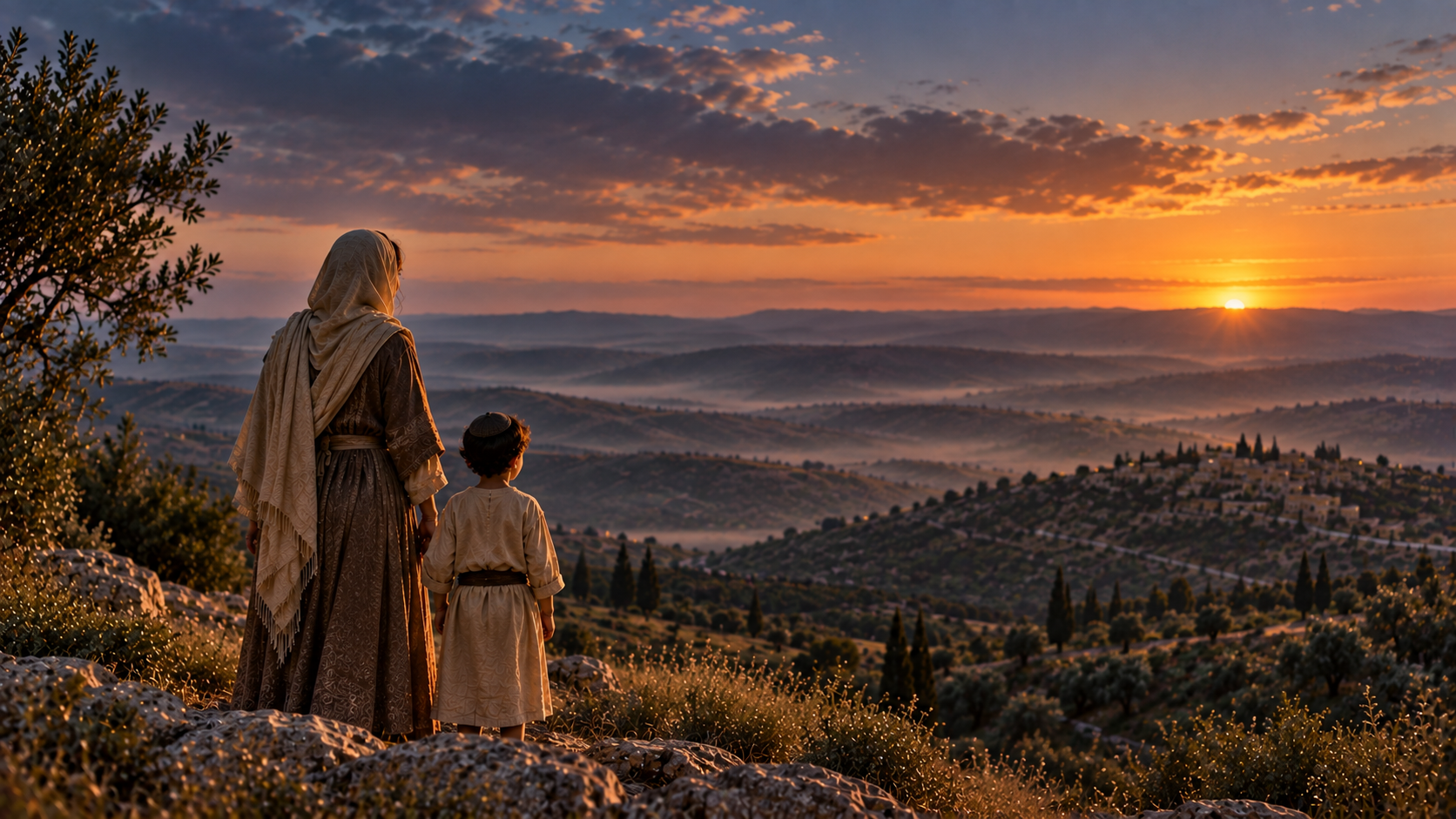
Then Chana rose and prayed.
She stood before Hashem, speaking in her heart, her lips moving while her voice could not be heard. She asked for a son, but before he was even conceived, she made a promise:
וּנְתַתִּיו לַה׳ כָּל־יְמֵי חַיָּיו I will give him to Hashem all the days of his life.
(I Shmuel 1:11)
Hashem remembered Chana, and Shmuel was born.
Rav Hamnuna saw something more in the way Chana stood before Hashem. From the very way she prayed, he derived some of the foundations of Jewish prayer. That private moment in Shiloh became part of the way generations of Jews would stand before Hashem.
When Chana later brought Shmuel to Shiloh, she fulfilled the promise she had made before his birth. And there she prayed again. She spoke of the weak becoming strong, the hungry being filled and the poor being raised. She closed with words about a future Israel had not yet seen:
וְיִתֶּן־עֹז לְמַלְכּוֹ וְיָרֵם קֶרֶן מְשִׁיחוֹ He will give strength to His king and raise the horn of His anointed.
(I Shmuel 2:10)
There was no king in Israel.
Yet Shmuel’s story was only beginning. He would become Shmuel HaNavi, the prophet who would establish Israel’s monarchy by anointing Shaul and, later, David.
The Gemara brings the two stories together once more, teaching that Sara and Chana were both remembered on Rosh Hashanah.
(Rosh Hashanah 11a)
Hashem had not forgotten them. His remembrance marks the moment when what was hidden begins to unfold.
And so we ask:
זָכְרֵנוּ לְחַיִּים Remember us for life.
We pray for life, health, peace and blessing. What we cannot know is what may come from the blessings we receive.
And as we pray to be remembered for another year, Sara and Chana leave us with a question:
What will come from the life we are given?
שנה טובה וחתימה טובה שמואל
About the Author
Sam writes on faith, Jewish identity, geopolitics, and the enduring covenant between the Jewish people and the Land of Israel. Living between the UK and Israel, he explores renewal, sovereignty, and the forces shaping the journey home.