Arab voters have spoken. Will Israel listen?
Throughout this recent period, as I moved from one town to another, from home visits to community meetings and conferences, I was accompanied by two central, powerful emotions: fear and hope. After years of grassroots activism for shared society — in the Negev, in my hometown of Acre, and through women’s and interfaith initiatives — I have always known that our impact remains limited as long as the political reality remains polarized, exclusionary, and dismissive.
The past few years, including the horrific events of October 7 and the devastating war, have often led me to question the purpose of continuing in the face of such despairing extremism. Yet, these recent elections became my watershed moment.
I never imagined myself running for the Knesset. When our joint Arab-Jewish list, “A Place for Us All” (Makom LeCulanu), ultimately chose not to run, I felt a momentary sense of relief. But then I realized that the responsibility still rests upon us. As a field activist, I poured all my energy into boosting voter turnout within Arab society. In both the north and the south, I heard a single, echoing plea: save us. Save us from a government that has abandoned our lives, save us from the rampant crime, and save us from utter despair.
Arab society did not surrender to the extremists. The historic achievement of 19 seats for Arab parties is definitive proof that our public did not raise its hands in defeat. Instead, they went out, voted, and made it clear that they demand change and real influence.
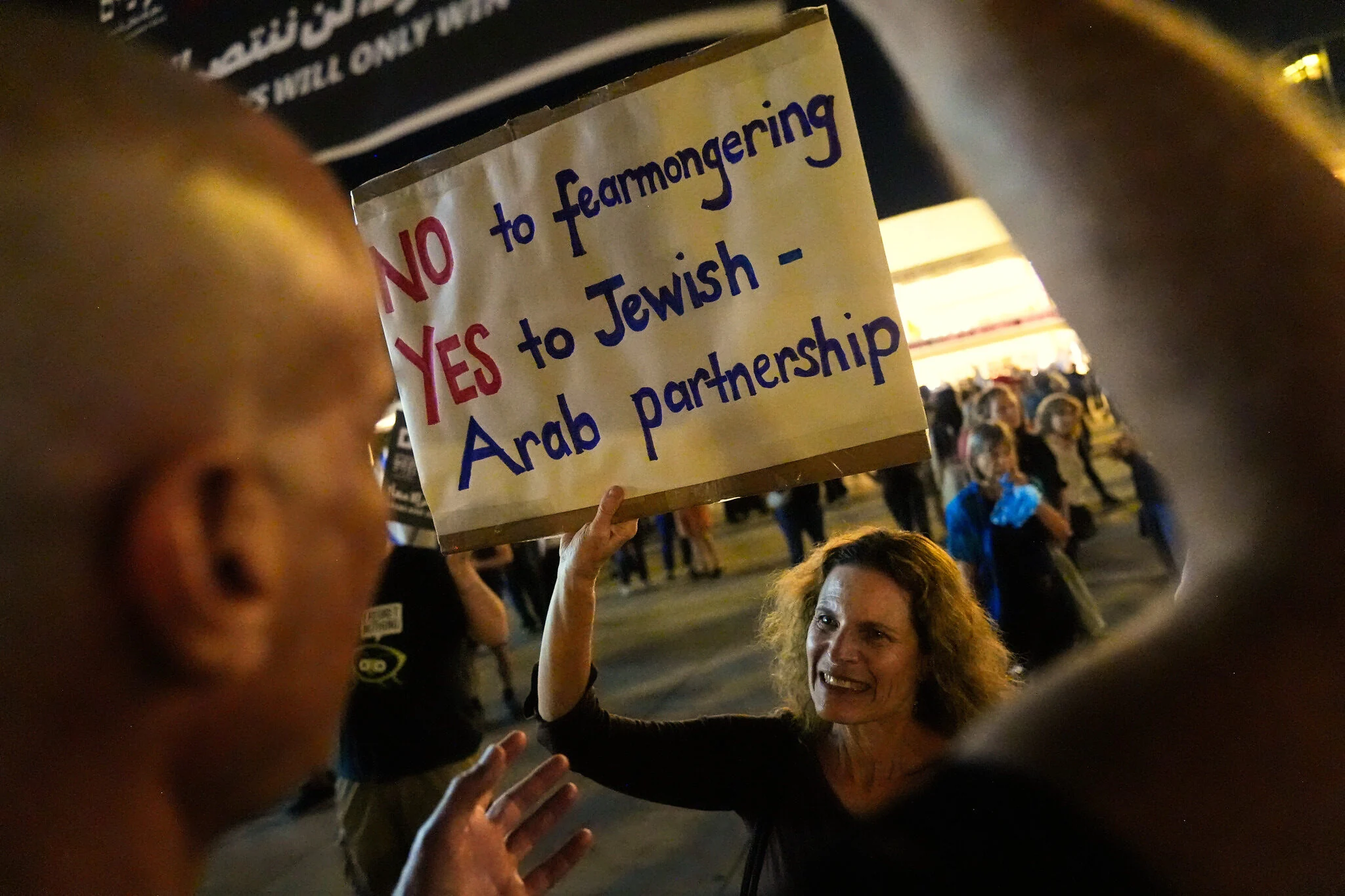
Now, our great duty is to translate this political milestone into tangible, immediate influence. Our representatives hold a fateful role in shaping the future of both peoples in this land. This is the exact moment when the Jewish leadership and public must extend their hand in return, and together lead a partnership of reconciliation. The first and most urgent step must be an uncompromising battle against violence and crime, to restore safety to our streets.
Our struggle has never been against the Jewish public. On the contrary — we are extending a hand for genuine partnership to build trust, just as Arab and Jewish doctors and nurses do every single day in hospitals, working side by side to save lives. It pained me deeply to hear Knesset members claim that following October 7, it is impossible to form a government supported by Arabs. Why? The disaster of October 7 and this devastating war have struck us all. Only by joining hands can we shatter the outdated and destructive paradigm that claims “there is no partner.”
Coexistence between Jews and Arabs, particularly in mixed cities, stands at a fateful crossroads. Trust has been cracked, and there will always be those who attempt to further fracture our fragile, delicate social fabric. The answer to these disasters and dangers is courage and civic responsibility. Out of this profound brokenness, we must establish a government that truly represents Arab citizens as well. I know it is possible—and it depends on all of us.
This piece was written with assistance from Dror Rubin.