
Are the Israelis who come home to vote truly welcome?
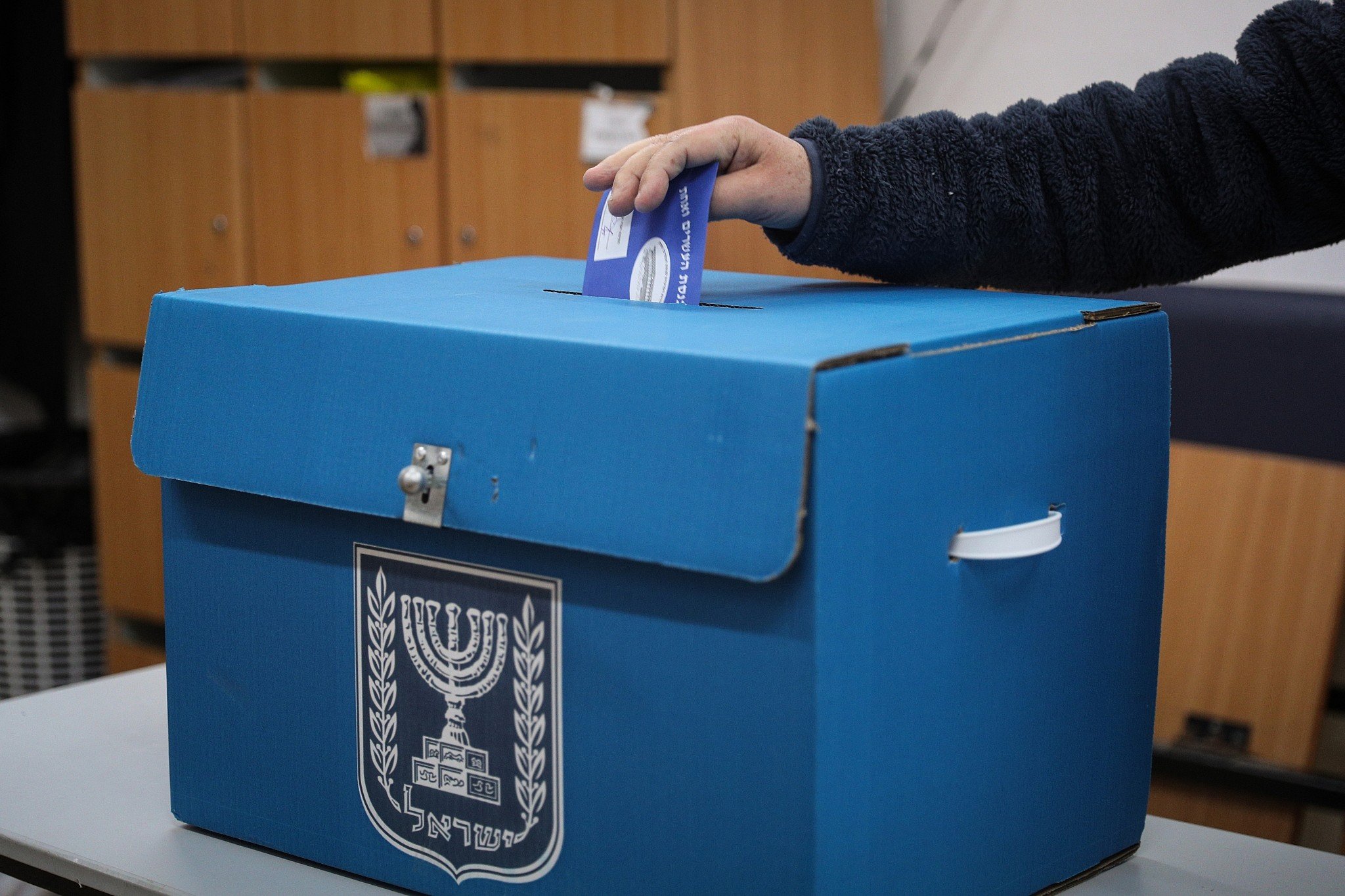
As Israel approaches another election, citizens who live abroad and return to vote are becoming the focus of an increasingly charged debate. Some call their arrival an act of civic responsibility. Others see people who will not live with the consequences of their choice shaping the future of those who remain in Israel.
That objection deserves serious consideration. Israelis who live here experience most directly the effects of decisions on security, taxation, education and the economy. It is reasonable to ask whether residence should affect a citizen’s ability to determine the country’s future, but that question must be addressed to the legislature, not turned into an accusation against citizens who follow the existing rules.
Moreover, the argument has limits. Within Israel, voting rights are not calibrated according to taxes paid, military service or the effect of government decisions on an individual. A pensioner, student, new immigrant and unemployed citizen each have an equal vote. Democracy rests not on equal contributions, but on equal civic status. Living abroad may justify a separate rule, but it does not make a lawful vote morally less valid.
Most Israelis abroad cannot vote at an embassy, consulate or by mail. Only a limited set of people serving overseas in diplomatic, governmental or other legally designated roles, along with certain family members, may do so. Everyone else must come to Israel and vote in person.
This is not a special privilege called “overseas voting.” These citizens return to Israel, satisfy the law’s requirements and exercise a right the law continues to recognize. They do not evade the rules or receive an extra vote. They do precisely what the current system requires of them.
One may believe that system is wrong. There is a legitimate case for connecting participation in Knesset elections more closely to residence. The Knesset could consider a minimum period of residence, a “center of life” test or restrictions after a prolonged absence. Such proposals deserve serious debate.
Yet there is a fundamental difference between changing a law and condemning someone who obeys it. If the rule is unjust, it should be amended prospectively and for everyone. Society should not preserve a right in law and then treat citizens as morally suspect for exercising it.
There is another reason to resist simple answers: Israelis abroad are not a uniform group. Some leave briefly to study or work. Others retain family, homes, professional responsibilities or an intention to return. Some still carry obligations toward the state; others have lived elsewhere for decades. The distinction between living “here” and “there” does not always capture a person’s relationship with Israel.
Citizenship need not confer an unlimited right to vote regardless of the length of one’s absence. But any restriction must rest on objective and proportionate criteria — not on resentment, political suspicion or predictions about how a group will vote.
That is where the controversy becomes troubling. Attitudes toward voters arriving from abroad often depend on assumptions about their politics. When they are expected to support our camp, their arrival is celebrated as patriotic mobilization. When they may help our opponents, the same conduct is called an attempt to distort the public will.
But a vote does not become more or less legitimate according to the party for which it is cast. Rights cease to be rights if we recognize them only when we approve of their anticipated political result.
Another objection concerns organized efforts to help citizens travel to Israel, which may give wealthy groups disproportionate influence. Questions about funding, transparency and campaign rules should be examined, and violations investigated. But financing a journey and a citizen’s right to vote are distinct issues. Misconduct by organizers does not make a lawfully cast ballot illegitimate.
Political decisions carry a concrete price. But citizenship has meaning that does not disappear at the border. Attachment to Israel may endure through family, language, responsibility and an intention to return. The law may determine when that connection no longer warrants electoral participation, but only through a general rule — not in reaction to the expected behavior of particular voters.
Democracy is more than majority rule. It requires stable procedures, equality before the law and recognition of the lawful rights of people with whom we disagree. Electoral rules cannot be morally rewritten on the eve of an election according to political forecasts. Otherwise, confidence in elections will depend on whether we like the result.
Israeli society may debate whether citizens living permanently abroad should retain the vote, and the Knesset may change the rules. Such reconsideration may be necessary. But while the present law remains in force, an Israeli who spends the time and money to return and vote has committed no moral offense.
The argument should be about the rule, not the citizen who follows it in good faith. Respect for democracy is tested precisely when the law protects the voice of someone whose politics we may reject. The right to vote should not depend on public approval — still less on whom that vote might help to win.