
Are We Losing the Magic of Jewish Summer Camp?
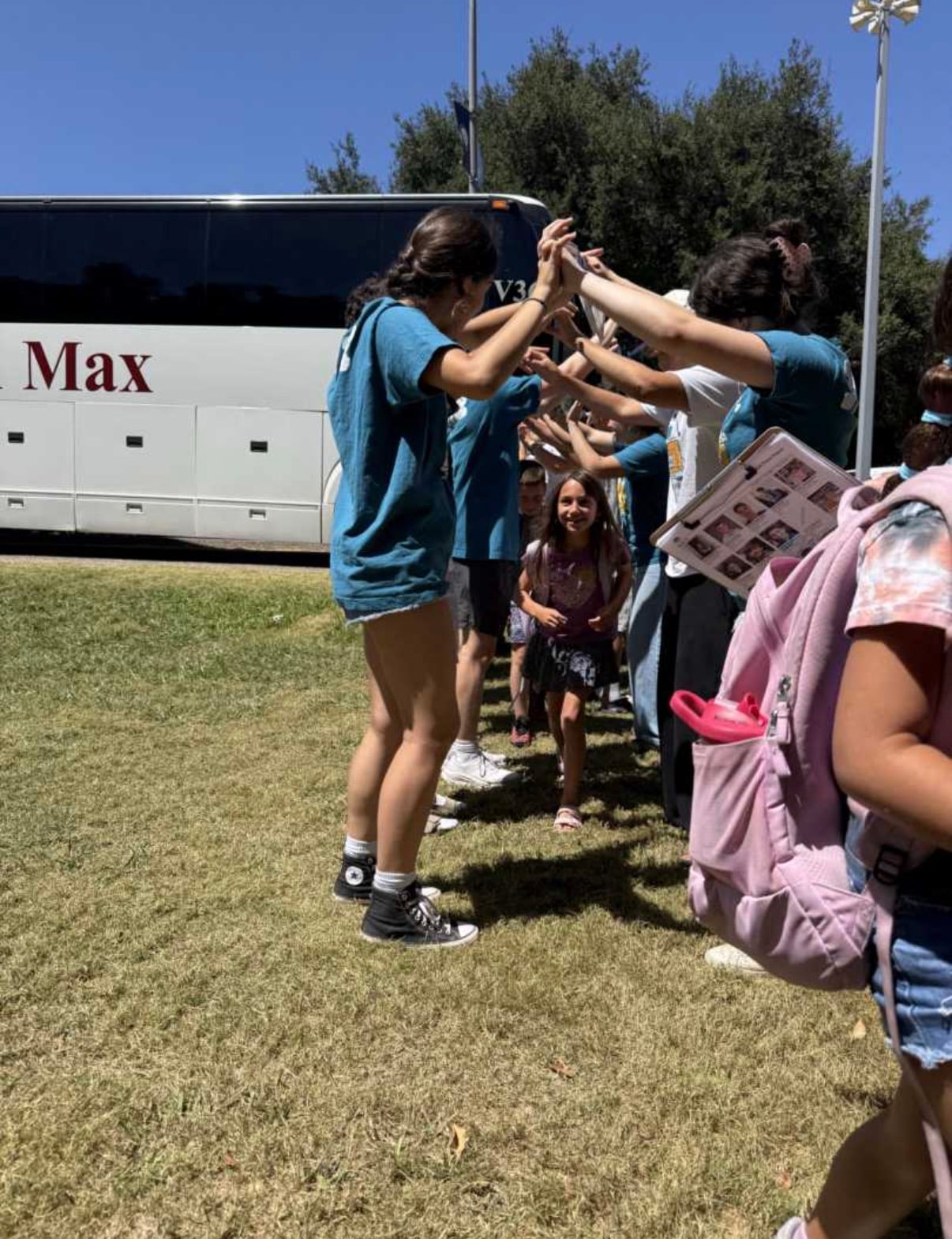
This summer, I joined the camper-care team at Camp Ramah in California. My role gave me a front-row seat to the people who make the magic of camp possible.
I never attended Jewish camp myself, so I encountered it with eager, fresh eyes. Again and again, I found that what made camp extraordinary was its counselors. They noticed the camper who had grown unusually quiet. They understood when a child needed connection and when he needed space. They transformed ordinary moments—walking to the pool, getting ready for Shabbat, telling stories in the bunk after lights-out—into the experiences children remember simply as “camp.” They created that ruach and simcha, bringing a magic to camp that words can’t quite capture.
Yet returning to camp carries financial and professional pressures that talented counselors struggle to afford. Camp salaries rarely match what these young adults could earn in corporate internships or other summer positions. Additionally, the pressure to build a résumé begins early. Parents, professors, and advisers encourage them to pursue internships, and LinkedIn reinforces the anxiety. Another summer at camp can quickly begin to feel like a sacrifice to their professional future.
As donors who care deeply about the future of our community, we often speak of Jewish summer camp as one of our most powerful investments in Jewish identity and belonging. Capital gifts to buildings and facilities make camp operational, and camps could not exist without this generosity. But another critical investment is less obvious because it is less tangible: the human relationships that sustain camp.
I asked one exceptional counselor whether she planned to return the following summer. She desperately wanted to, but she was anxious that her summer earnings wouldn’t be sufficient to help pay her college tuition. Another worried that without a broader résumé, he would be at a disadvantage when applying for jobs after graduation.
After returning home, I ran into the father of a counselor I had admired. I praised his son effusively. He was proud, but quickly noted that he was encouraging his son to pursue a “real” internship next summer to diversify his experience.
I understood his concern, but it occurred to me that he didn’t realize the high-level professional skills his son was gaining as a counselor. I wondered what it would take for another summer at camp to count—in his mind, and in an employer’s—as a serious investment in his son’s future.
The decision not to return to camp for these reasons is completely understandable. But Jewish camps and the wider community absorb the consequences. Counselor retention shapes the very relationships through which children experience Jewish life.
Camps understand the value of experienced counselors, but many operate on narrow margins while facing rising costs and pressure to keep tuition accessible. They cannot solve this challenge alone. If we believe camp is essential to our collective Jewish future, our philanthropic community must help sustain the people who make it work.
We say that camp develops Jewish leaders; we should make it financially and professionally feasible for those leaders to return.
Counselors become stronger leaders with each summer they spend at camp. Returning staff create healthy bunk cultures, mentor younger counselors, anticipate problems, and recognize when a camper’s behavior signals something deeper. Their judgment develops through mistakes, mentorship, and successive summers of responsibility.
When experienced staff leave, camps must rebuild that capacity from scratch. Senior staff spend more time teaching foundational skills, younger counselors lose informal mentors, and campers lose adults who already know their histories. New counselors bring wonderful energy and ideas, but they thrive best when working beside people who have done the job before.
Addressing this challenge will require two communal commitments:
First, a financial commitment, Donors could fund returning-counselor fellowships that combine additional summer compensation with year-round career mentorship. A camp could begin with a small cohort, pairing experienced counselors with professionals in their fields of interest and tracking whether that support aids retention. Counselor-retention grants deserve a place alongside camper scholarships: both invest in the quality and accessibility of the camp experience.
Second, a professional commitment, beginning within our own community. Parents, employers, mentors, and communal leaders need to recognize that working at a sleepaway camp is serious professional experience. Managing conflict, exercising judgment under pressure, collaborating with colleagues, adapting to unexpected challenges, and taking responsibility for others are skills that matter across every field. When we pressure a young adult to pursue a “real” internship, we risk dismissing the critical professional growth already taking place in the bunk.
We should recognize that experience in our hiring decisions and value it when advising college students. Alumni mentorship, résumé support, and employer partnerships can help, but it must become widely accepted: a summer spent becoming a more capable counselor is also a summer spent becoming a more capable professional.
No college student should feel forced to choose between supporting their Jewish community and building their career. When counselors leave camp for internships, they are simply looking out for their futures. I believe our community has the power to bridge that gap.
Not every counselor should return indefinitely; leaving camp is a natural part of growing up. But we should pay attention when capable young adults who want to return conclude that they cannot afford to, or that doing so will set them professionally behind.
Jewish summer camp is one of our community’s most celebrated investments in the future. It is time for all of us to invest just as deliberately in the young adults who create it.