
Director of Communications and Public Affairs, Paamonim
Featured Post
Back to school: Are we financially prepared?
Stocking up on supplies doesn't have to be quite so expensive – and while you're saving shekels, why not school your child on the art of thriftiness
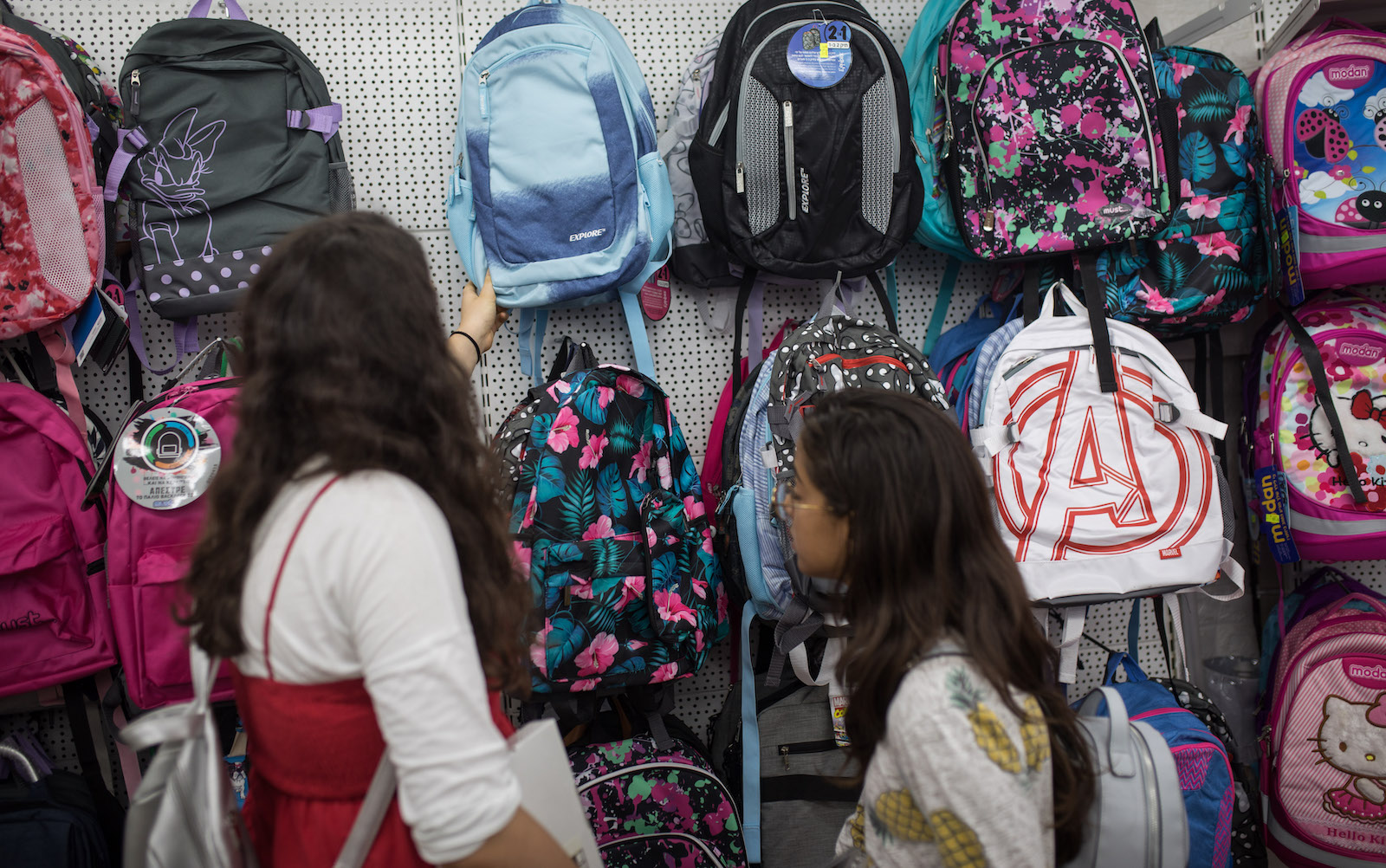
Shopping for school supplies at the Max Stock store in Jerusalem, ahead of the beginning of the new school year, on August 28, 2019. (Hadas Parush/ Flash90/ File)
When my oldest started first grade, we lived in the US and didn’t have to pay for books or notebooks. Expenses were mostly limited to pencils, scissors, erasers, etc. and a schoolbag of course. Upon return to Israel, I was shocked at the amount of money parents are required to lay out on kids’ schooling. I instantly initiated a scheme for exchange of used books at our local school which was available to anyone wanting to donate last year’s books, and purchase second-hand books for the coming school year.
The Ministry of Education has since implemented a national program of this kind, and yet parents are still required to purchase a fair amount of school supplies themselves.
Next month, my youngest will be starting tenth grade and has years of experience from his older siblings on how to prepare for the coming school year. Every summer we try to maximize our savings, by planning ahead. Here are some of our ideas that Pa’amonim also recommends:
Create a well-thought-out list of school supplies for each child: Start with the school list and assess whether you really need everything. Take into consideration your child’s desires and needs. Ask them to rank each item by importance.
Check out existing home supplies: See what you already have or what can be handed down from family, friends, or neighbors. You may find stuff in perfect condition that can be re-used including school shirts or books (Tanach, literature classics, atlas, dictionaries, etc.).
Recycle: Sort through last year’s notebooks. Some may have hardly been used and only require tearing out the odd page. Check the condition of last years’ schoolbags. Decide how often you will treat your kids to a new school bag that may not have to be replaced yearly.
Be sure to compare prices. Some communities or parent committees establish purchase groups and buy in bulk to allow substantial savings.
Often, less is more. Buy enough for the beginning of the school year, and if needed, add more throughout the year. You really don’t have to stock up for the entire year.
This is a great opportunity to convey financial education: Give your child a budget to select a branded item of their choice. Ask them to compare prices. Let them determine whether the purchase is genuinely worth the charge. Task them with price checking at the back of the store where you often may find further bargains.
Turn the purchasing experience into a fun and educational exercise, equipping your kids with lifetime tools whilst preparing them for their return to school.
I have done this with my kids over the years and hope this has helped them to be well-prepared for real life.
For more ideas, consumer tips, and money management tools visit the Paamonim website.
Related Topics
Related Posts