

Being a Social Worker in Israel During Wartime
I was a teenager during the Gulf War. It was the first time I heard air-raid sirens. The sealed room we used then was the equivalent of today’s safe room. I was a little afraid, but I also enjoyed the unexpected break—being at home, watching television, and sleeping in. In the end, I also believed everything would be okay and indeed within a few weeks, it was over.
Thirty years later, the reality here is very different. For the past two-and-a-half years, Israel has been living through an ongoing existential war, following the already difficult period of the COVID-19 pandemic. This is a very challenging and uncertain time for all Israelis, and in some ways even more so for those of us who work in caregiving and therapeutic professions. We have had to adapt to a different kind of prolonged and unfamiliar trauma which affects our clients, our loved ones and ourselves.
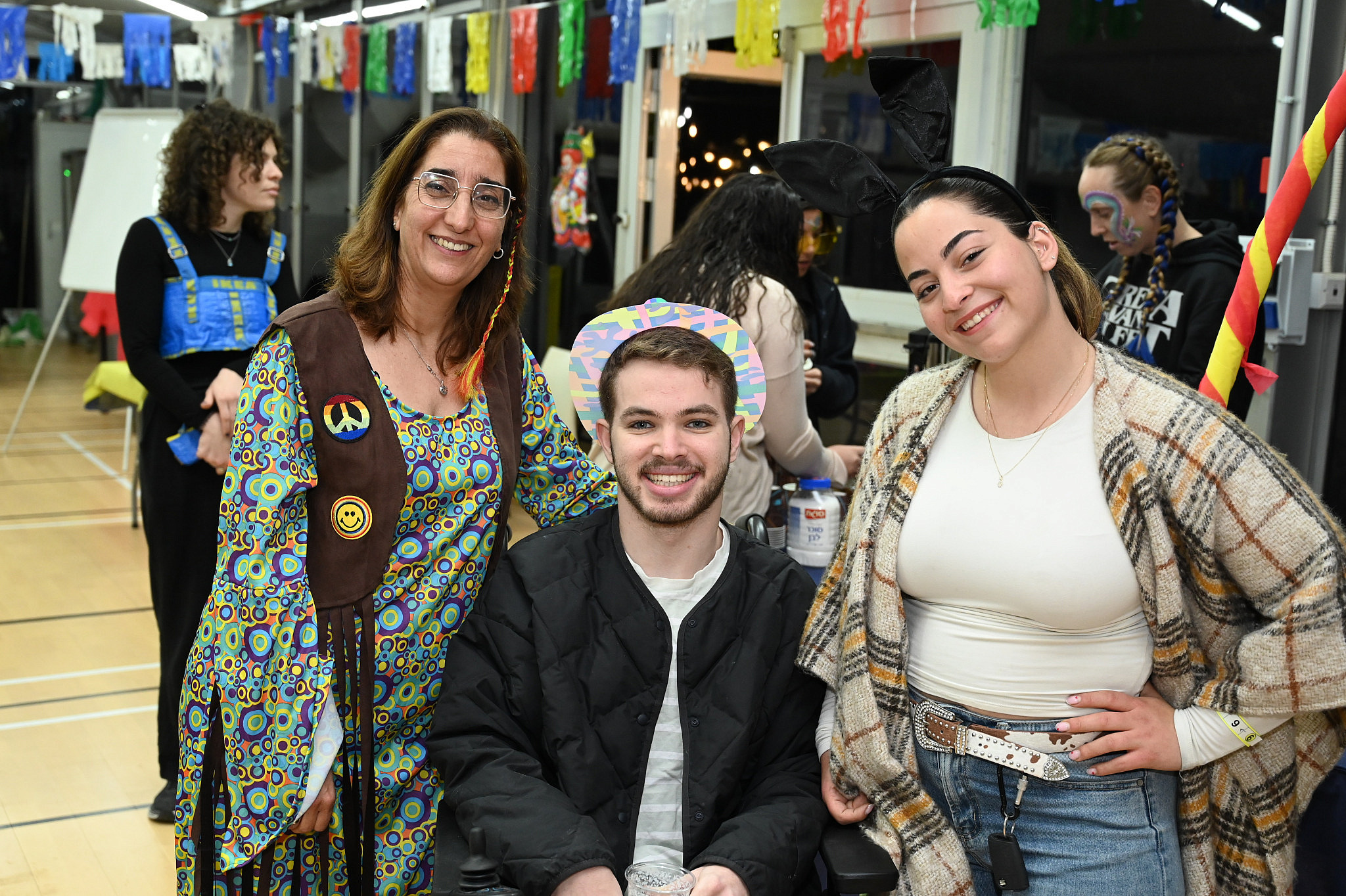
I’ve been head of social services at the Israel ParaSport Center in Ramat Gan since 1999. We’ve been through a lot, but the war of the last two years is very different in its scope and intensity.
And so how does someone like myself—a social worker for people with disabilities and their families in the center of Israel, a demographic particularly at risk at times like these—help and support others, when I’m simultaneously a wife and a mother who is sometimes very afraid, anxious, and occasionally completely drained? When every alert makes my heart skip a beat, every siren makes my pulse race? When I am sitting in the safe room, comforting my daughter who is frightened by the sounds of incoming missiles while my son counts the interceptions?
How do I immediately return to a phone call with a sports center member or a mother after it was cut short by a siren? How do I provide emotional support and guidance in the morning after being woken up three or four times throughout the night, when all I really want to do is crawl back under my blanket and sleep?
How do I help the person on the other side of the screen or phone feel that I am fully present for them when, at that very moment, my thoughts drift to my son, a soldier who might be lying on the ground during a siren with nothing but a helmet for protection?
How do we continue addressing the everyday challenges of life as a person with a disability, challenges that don’t just suddenly disappear during war, but, if anything, become all the more stark?
And how do we answer questions for which we have no answers?
There are no lack of challenges during a time like this, and I often think about the recent quote by Professor Mooli Lahad:
Resilience does not look like endless strength. Resilience looks like tired people who keep showing up… Resilience in an era of ballistic missiles and uncertainty is not the absence of fear, terror, or even moments of breakdown. True resilience is the ability to carry these difficult feelings in our bodies and minds without completely disconnecting from the world and from our responsibilities.
During this ongoing war, even as the therapist, the roles of giving and receiving support sometimes shift, and that’s OK. In those moments, I rely on my coping mechanisms. First and foremost, I allow myself to be authentic and not to pretend that I am somehow fine while everyone else is not. I practice flexibility, accepting that I cannot control the reality around me, but that I can choose how I respond within it. And I try to meet both others and myself with compassion, especially on days when the fear and exhaustion feel overwhelming, in moments when I do not have all the answers or all the energy.
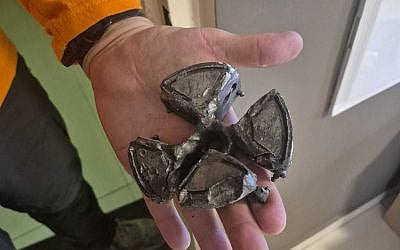
These tools allow me, amidst it all, to keep showing up. And what I have found is that my work and ability to be there for others gives me an anchor within this unsettling reality. It helps me shift my focus toward listening, being present, and helping people cope. The space I find for myself within my work prevents me from remaining constantly immersed in fear or in endless thoughts about my family, the next siren, where a missile might land, or how long this is going to go on for.
Being a social worker at the Israel ParaSport Center during wartime, being the person on the other end of the call, even when I am tired, anxious, or afraid, reminds me that I am part of something bigger than myself, and that in helping others, I am sustaining my own resilience too.