Beit Halochem Unites Fauda Cast and Wounded Soldiers in São Paulo
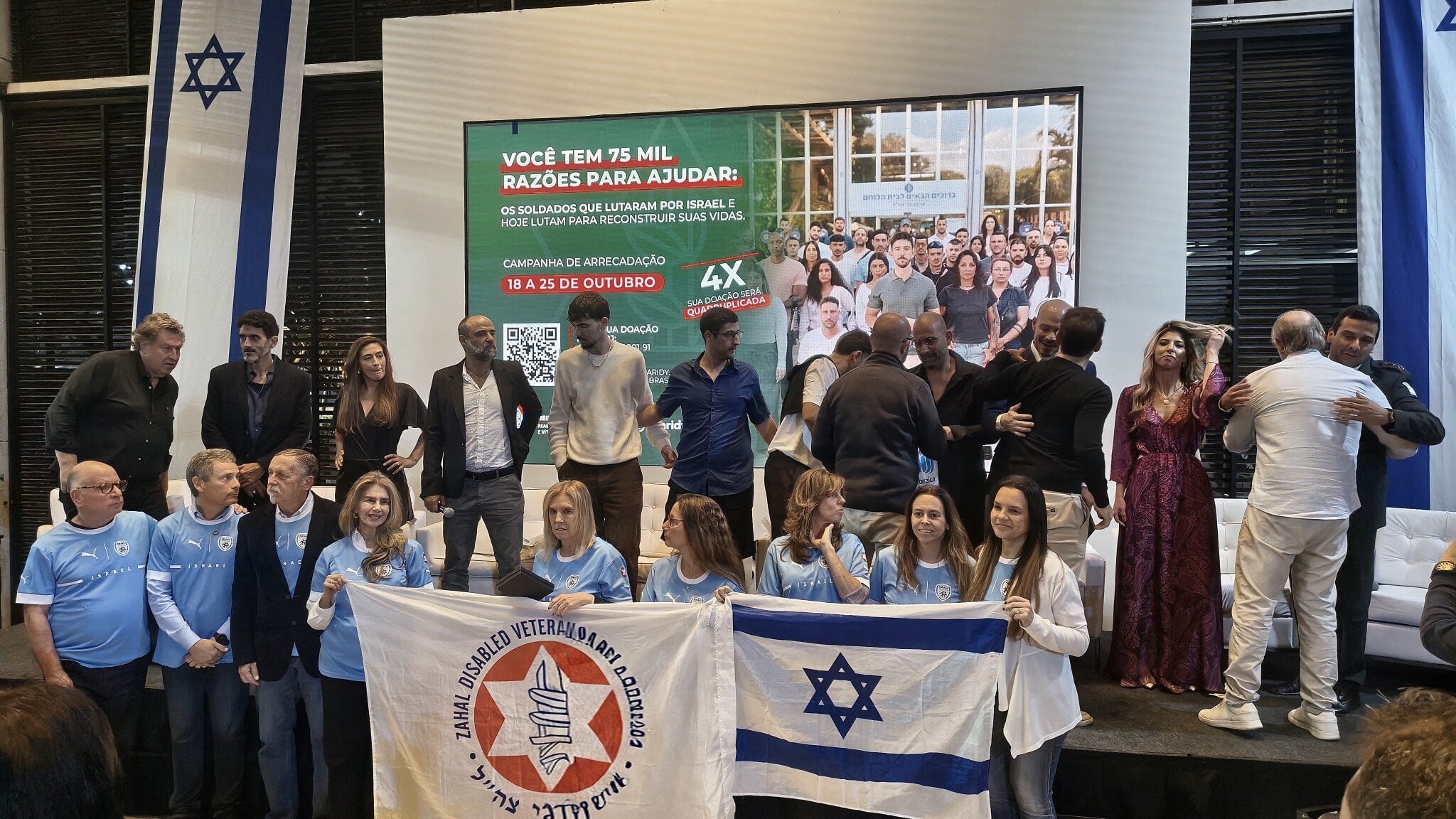
Event brought together actors from the hit series Fauda, wounded Israel Defense Forces soldiers, and raised millions for veteran rehabilitation.
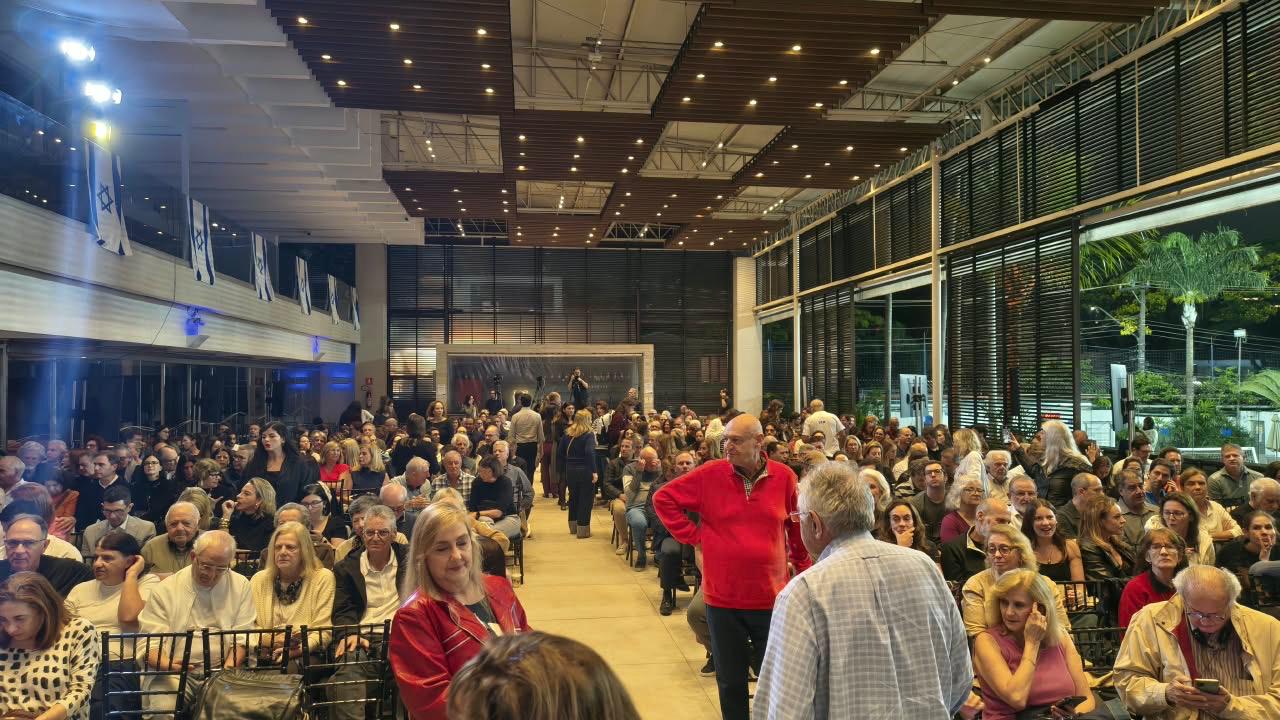
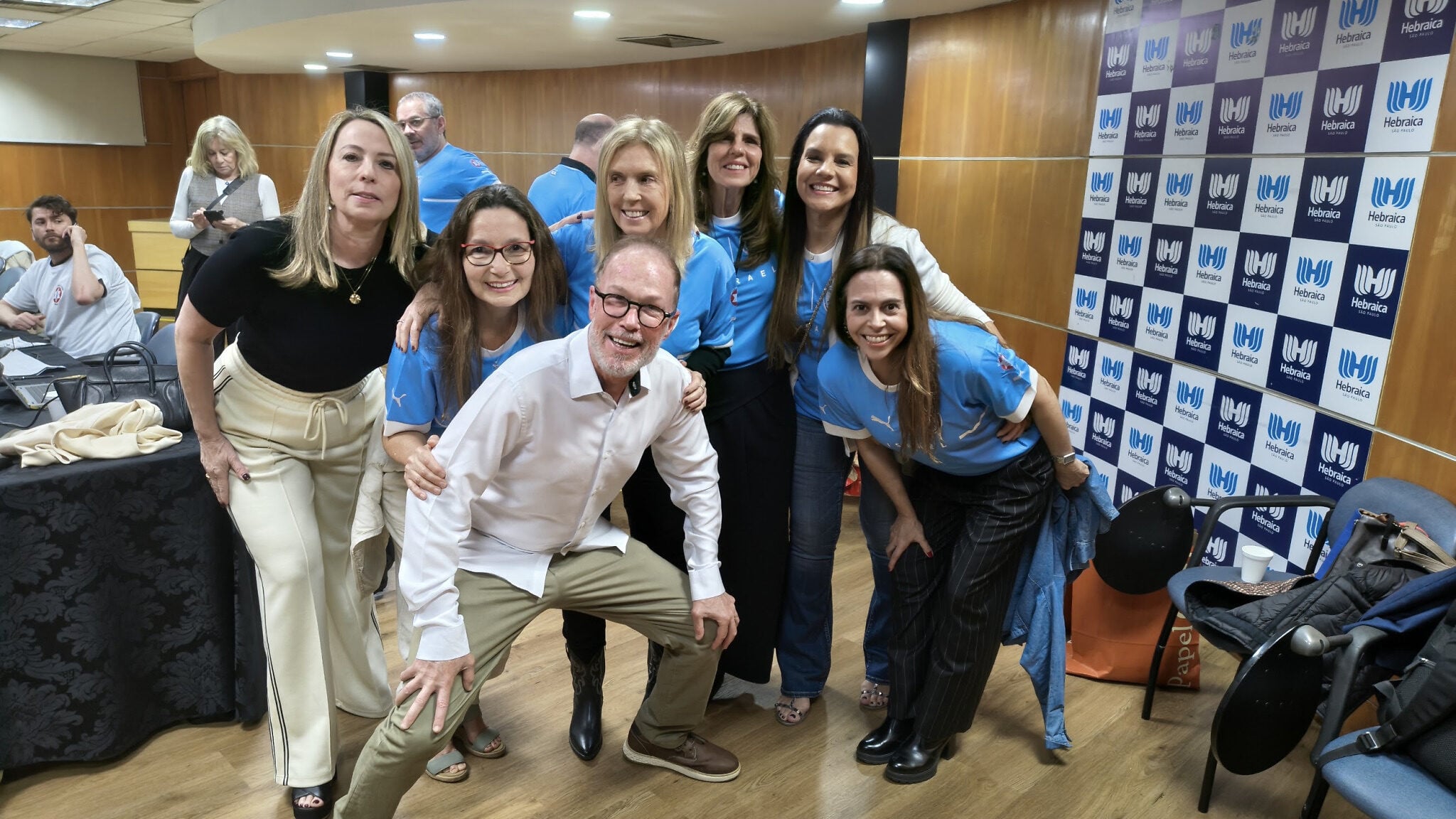
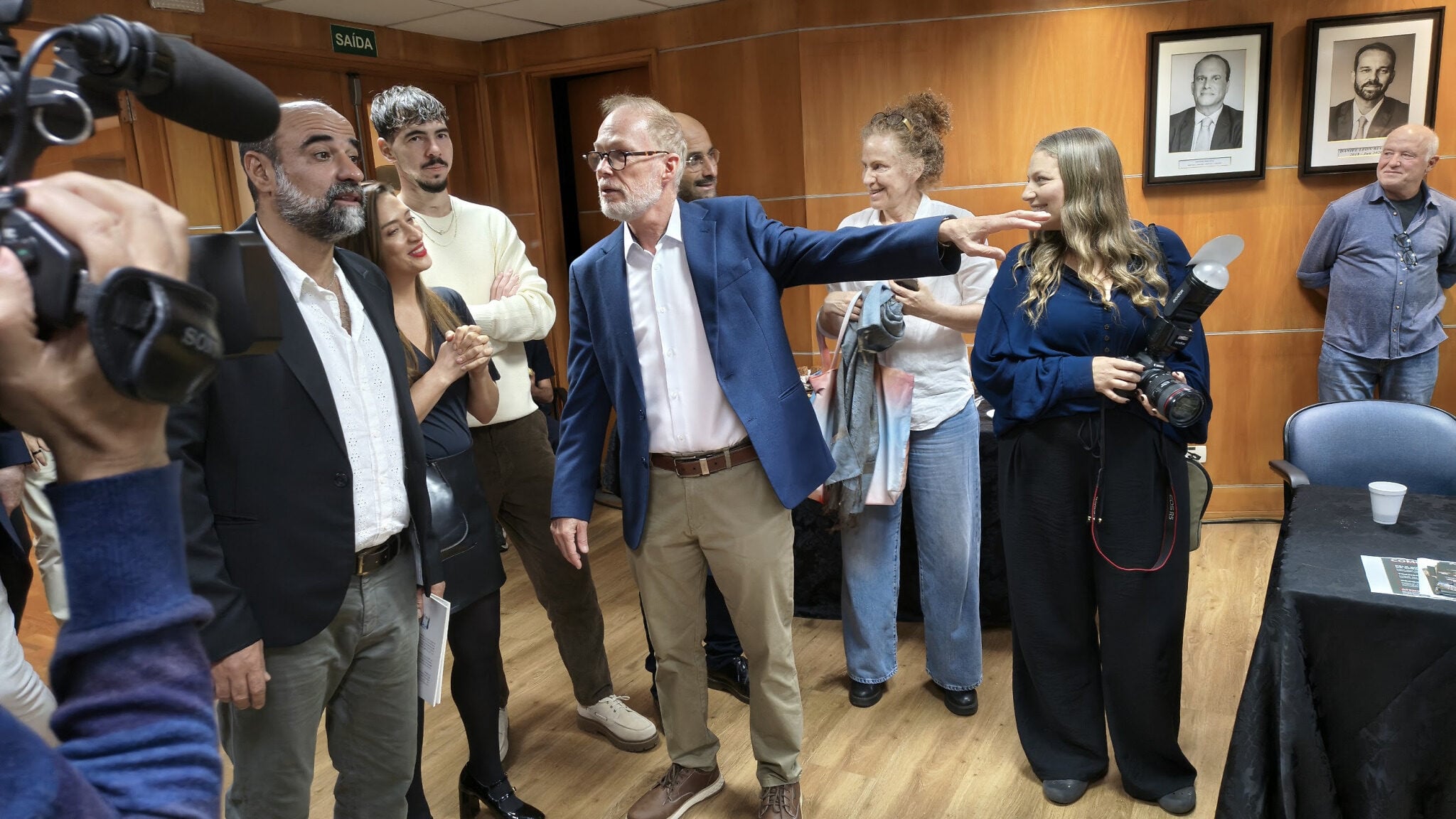
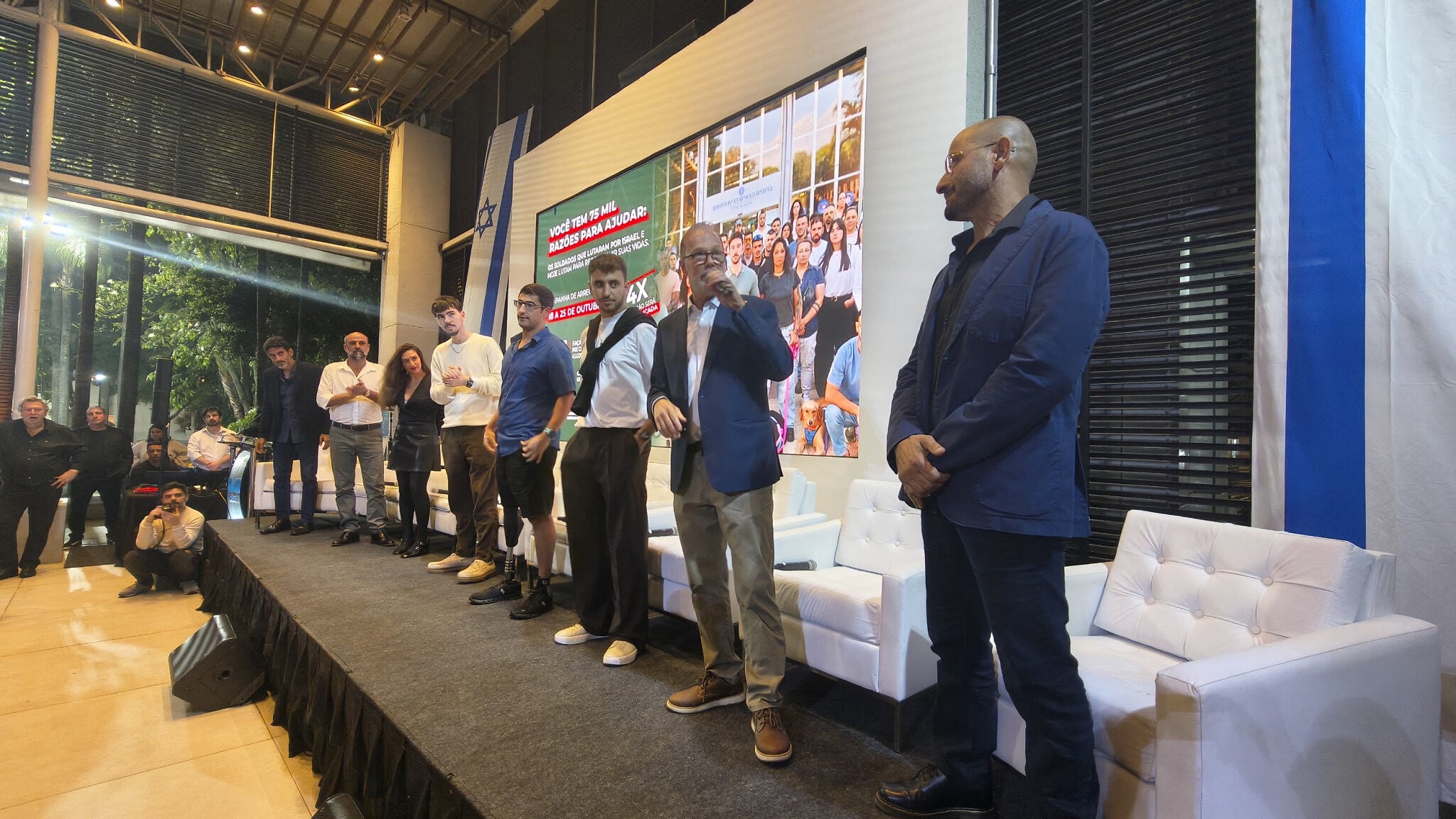
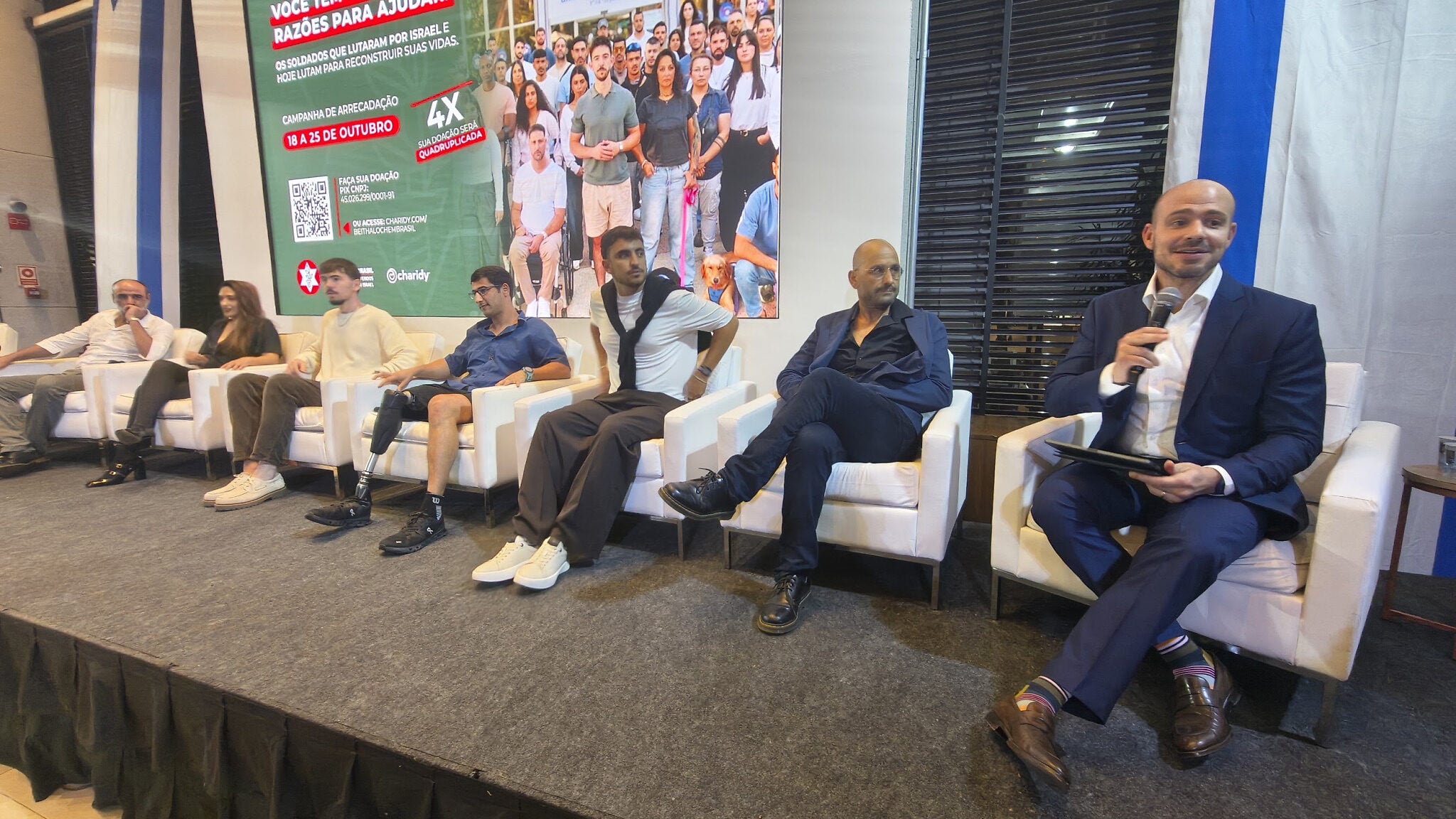
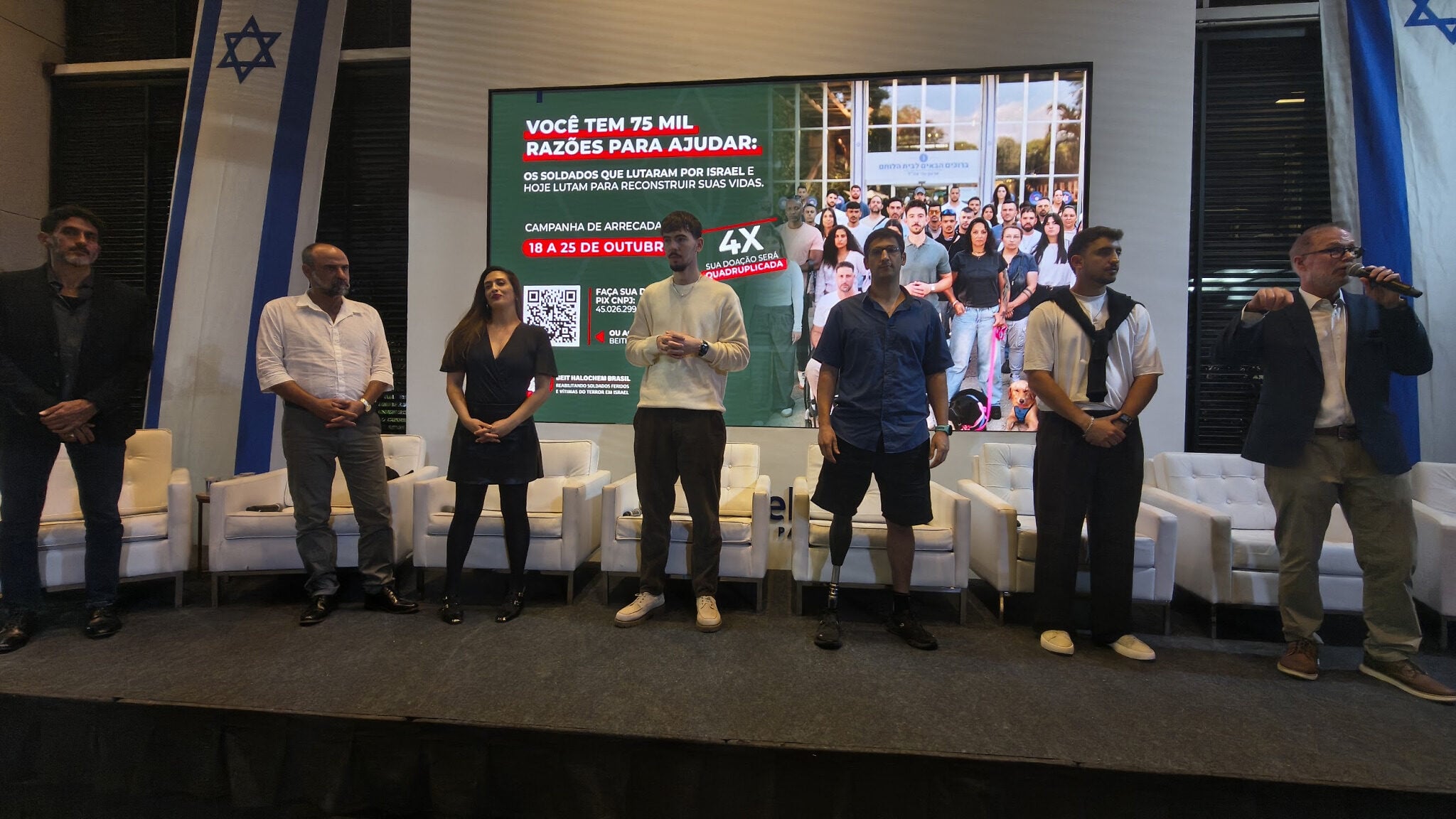
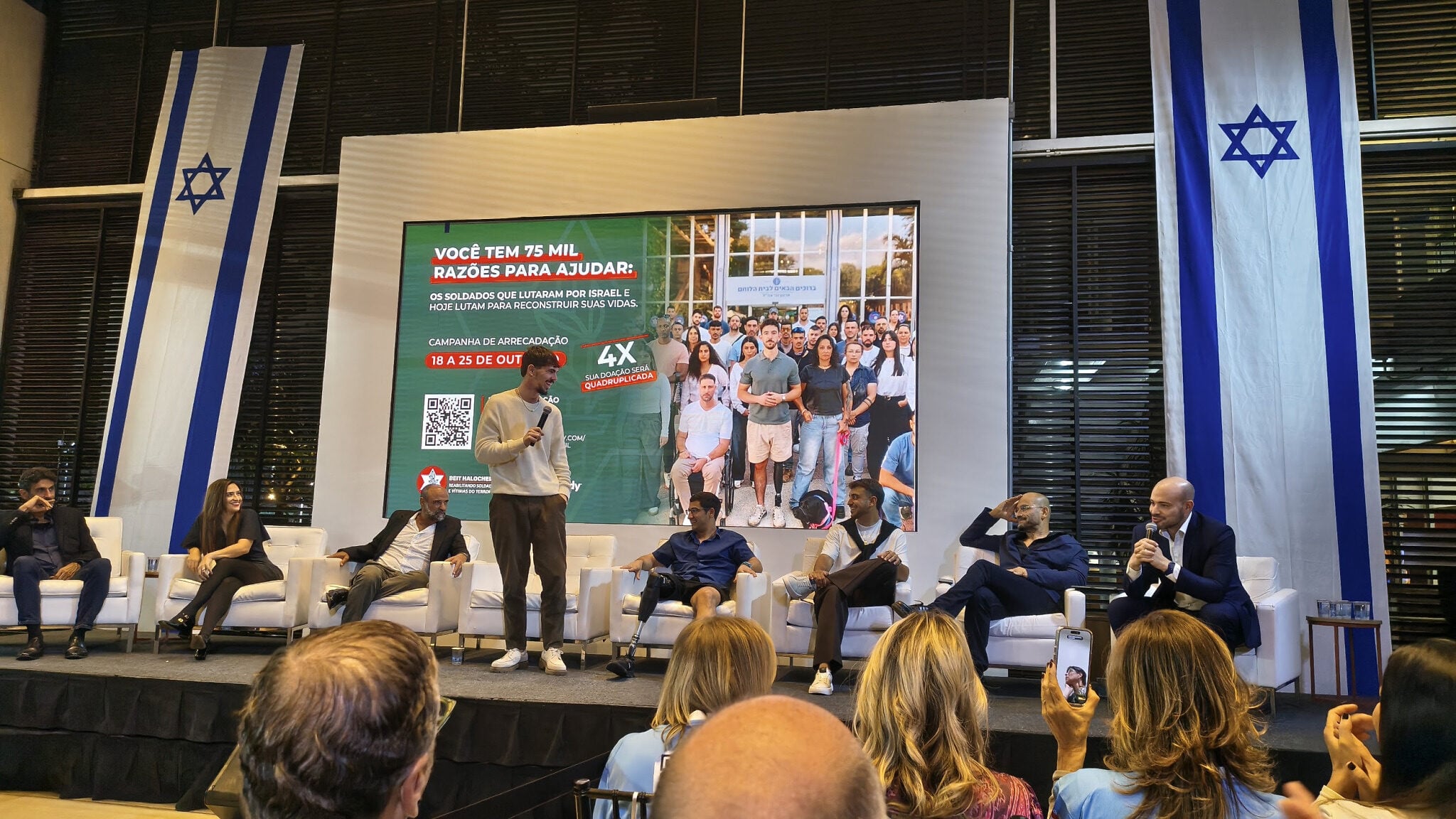
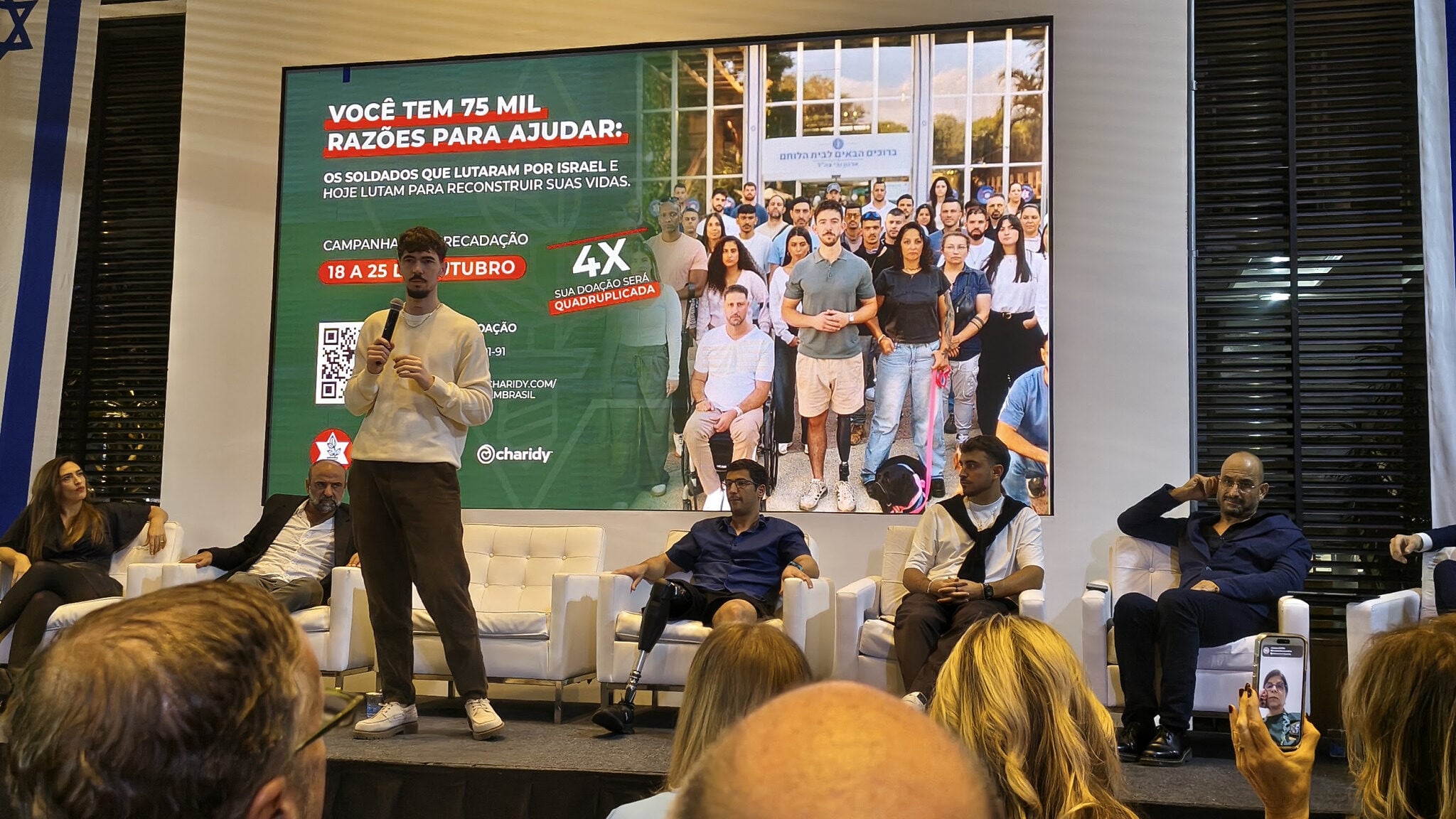
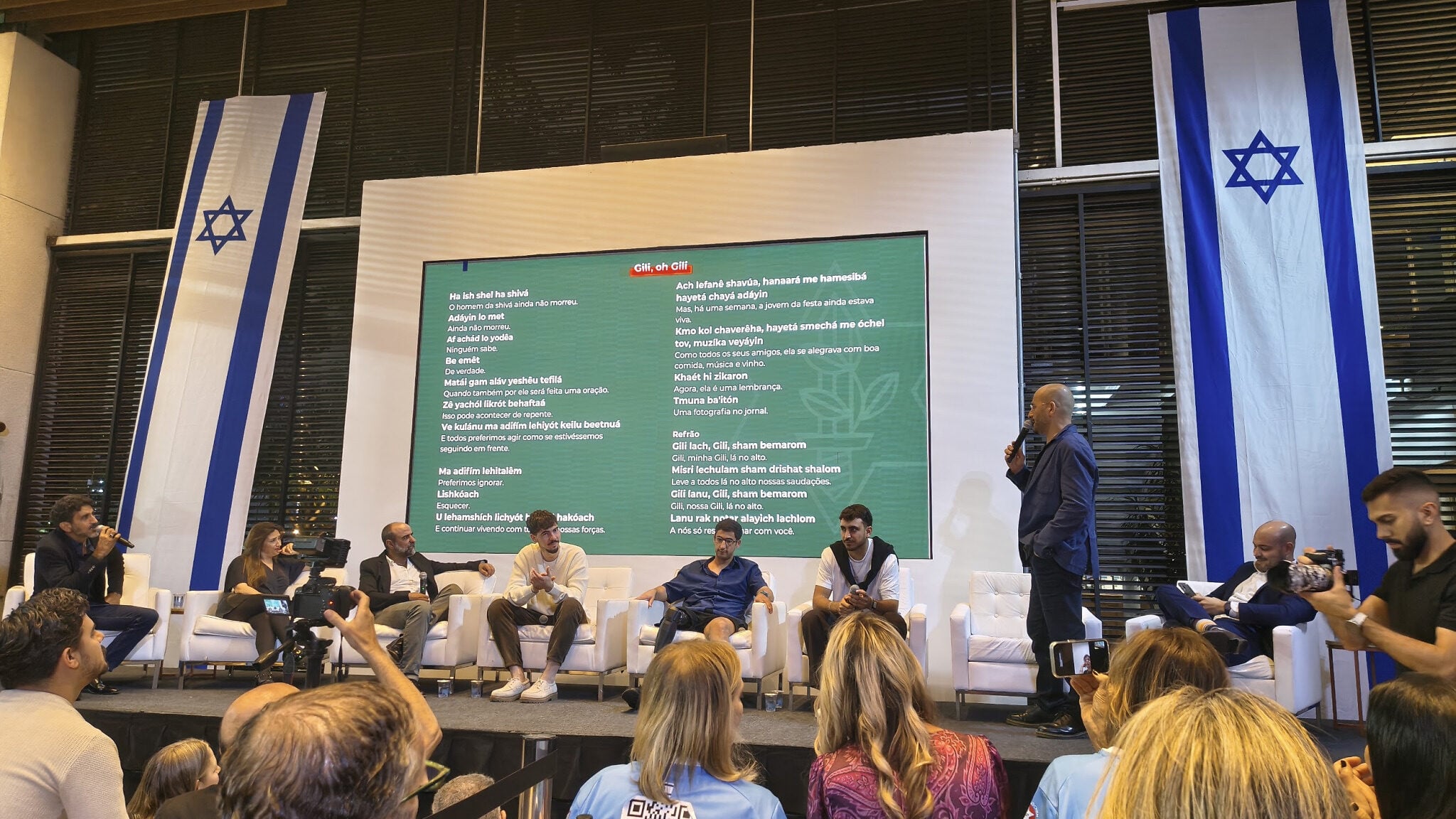
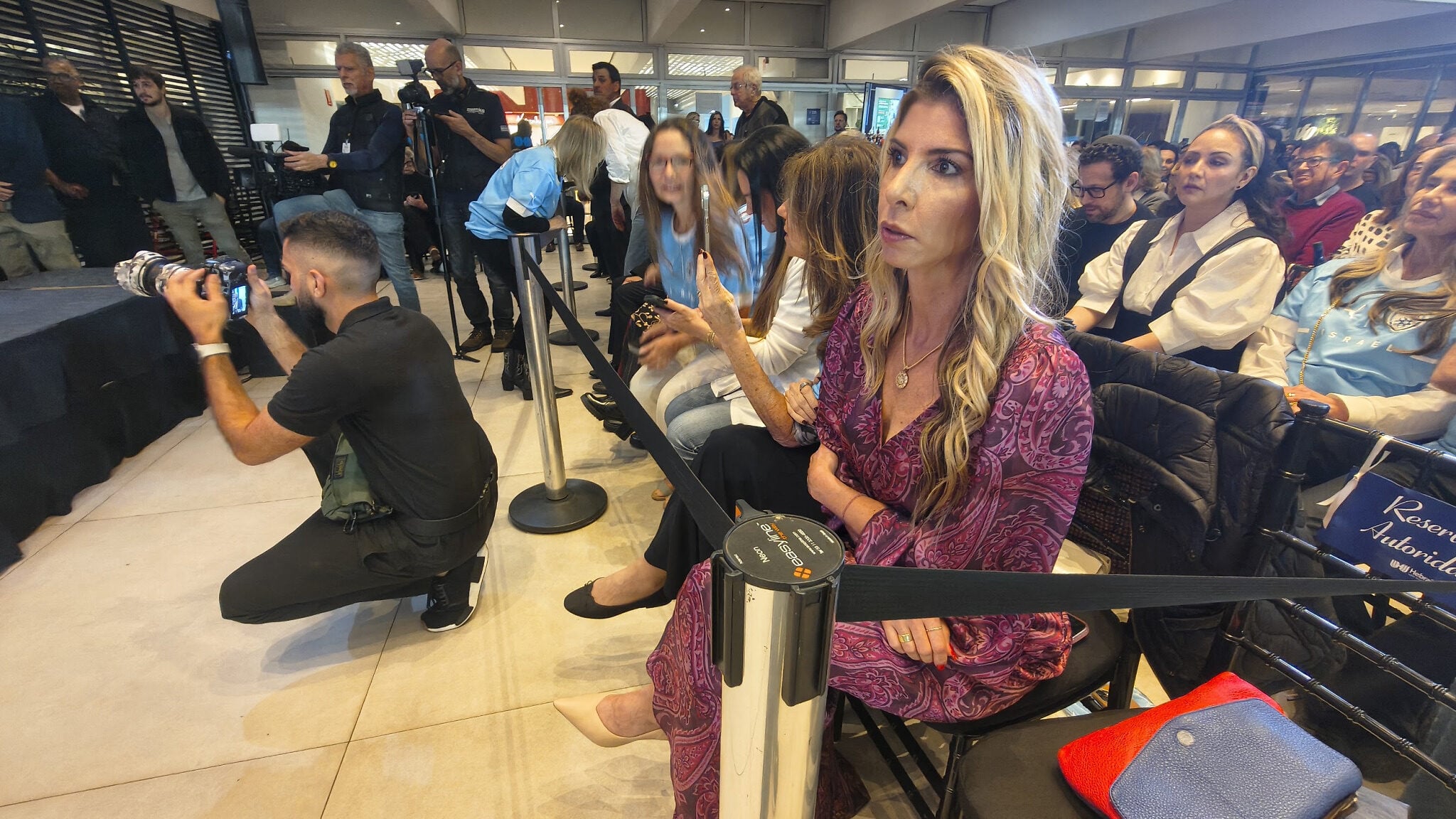
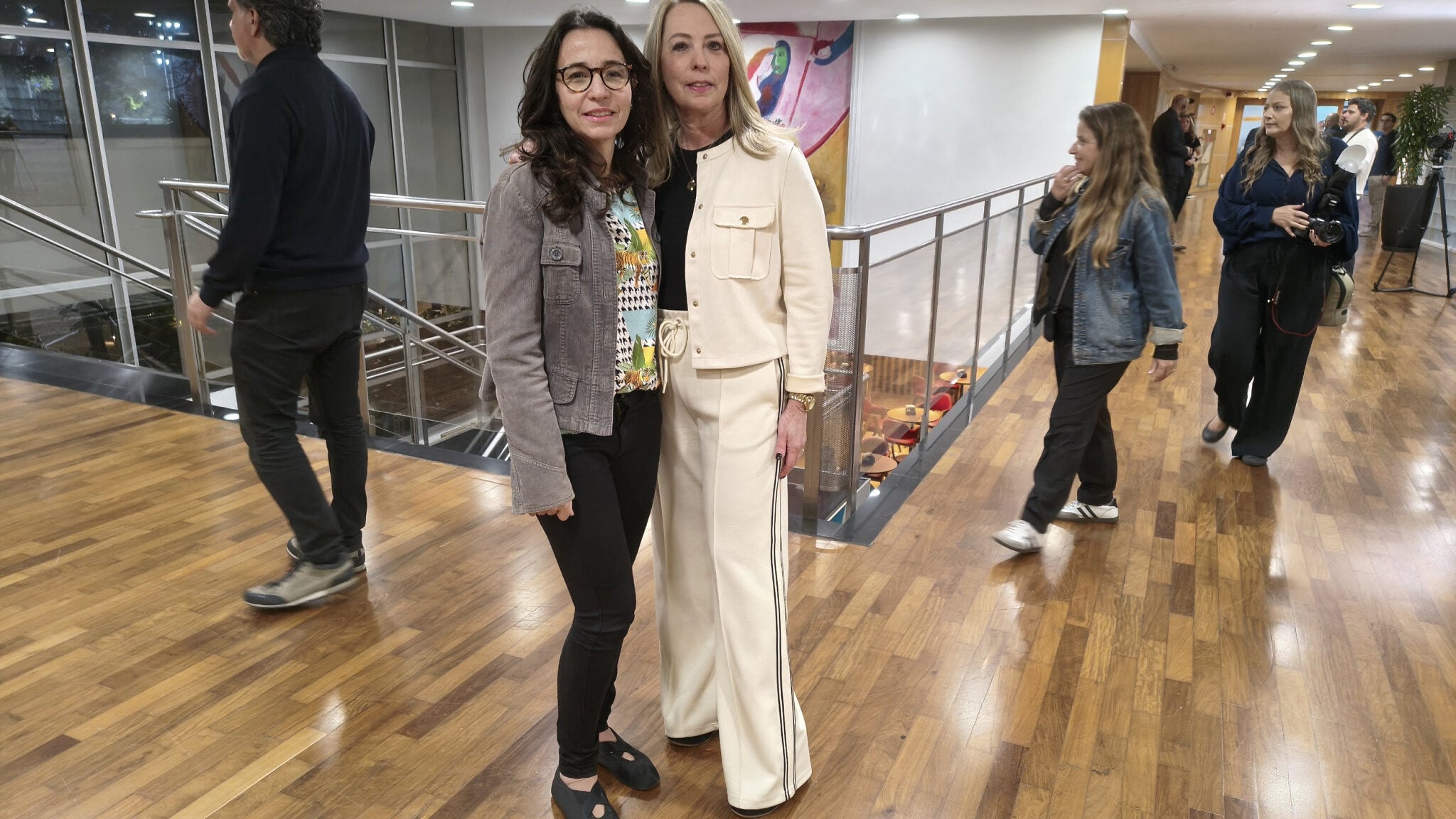
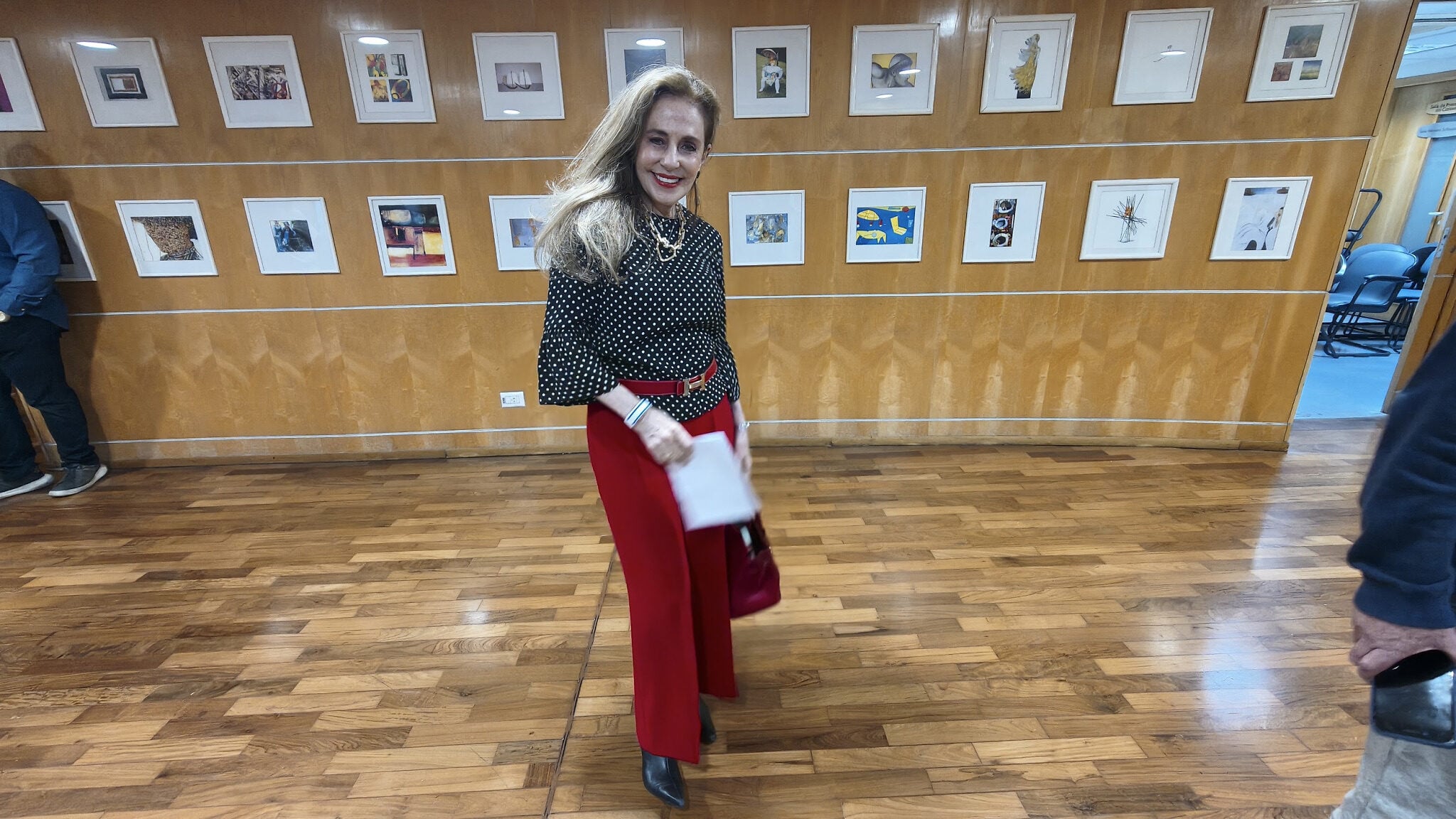
São Paulo, October 22 hosted an evening of profound emotion, reflection, and solidarity during a fundraising event in support of Beit Halochem, an organization dedicated to the physical, emotional, and social rehabilitation of wounded Israel Defense Forces (IDF) veterans. Held at Clube Hebraica, the gathering brought together more than 700 attendees, including community leaders, supporters, families, and special guests, among them actors from the acclaimed Israeli television series Fauda and veterans who bear the physical and emotional scars of war.
The primary goal of the event was to strengthen the fundraising campaign aimed at expanding the services provided by Beit Halochem. During the opening remarks, organizers highlighted the Brazilian Jewish community’s pride in its longstanding support for the institution, including its crucial role in helping build a new treatment center in Israel.
We have a moral obligation to support those who sacrificed parts of their bodies and their lives in defense of Israel, said André Lajst during the event.
One of the evening’s most moving moments centered on Avi Gelberg, who was responsible for bringing Beit Halochem to Brazil. Clearly moved by the initiative’s success, Gelberg repeatedly celebrated the community’s engagement and the scale the campaign had achieved. In a detail that made the evening even more special, he was simultaneously awaiting the birth of his grandson, which could have happened at any moment during the event’s opening.
The success and scale of the gathering were made possible through the decisive support of Hebraica President Deyvid Arazi and the institution’s CEO Gaby Milevsky, whose efforts helped turn the event into one of the largest recent charitable mobilizations in support of Israeli veterans.
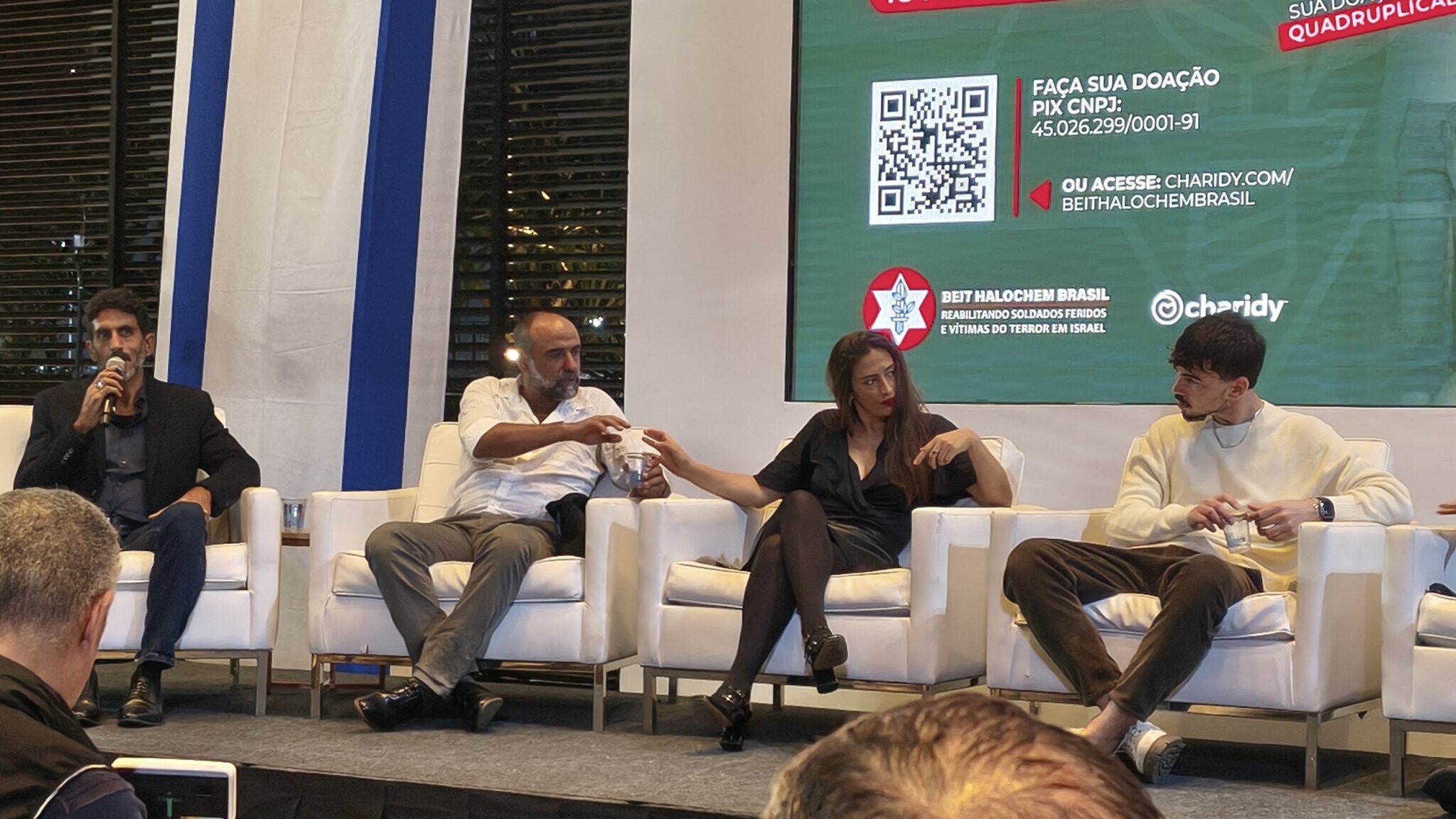
Among the international guests were Fauda actors Tsahi Halevi, Yaakov Zada-Daniel, and Meirav Shirom, who shared their perspectives on the impact of the series and the events experienced by Israel following the October 7 attacks.
Representing Israeli military veterans were war heroes Aziz Shukurov, Igal Gittay, Shayli Lebovitz, and Amit Bar, who moved the audience with stories of courage, resilience, and perseverance throughout their physical and psychological recovery journeys.
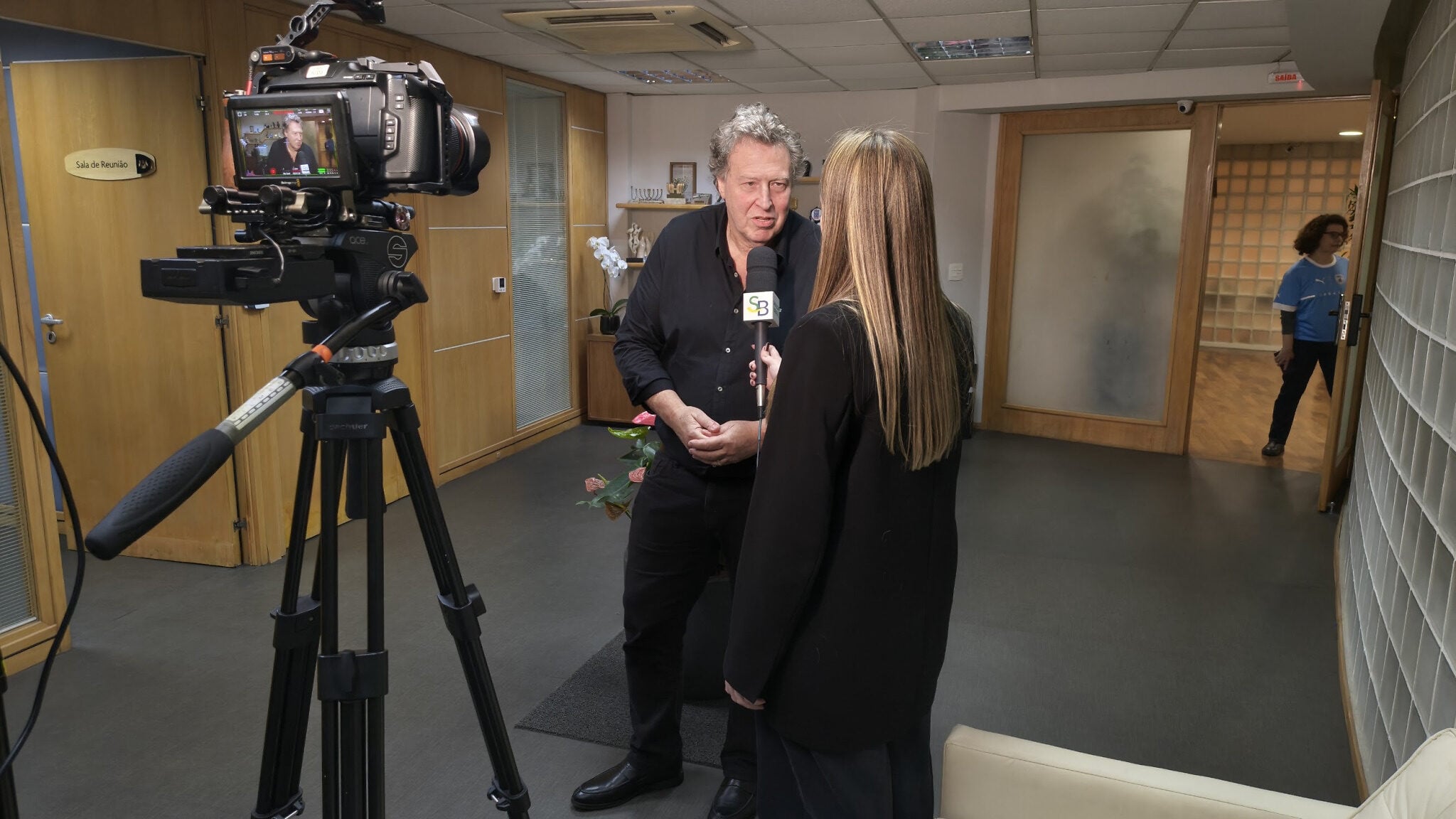
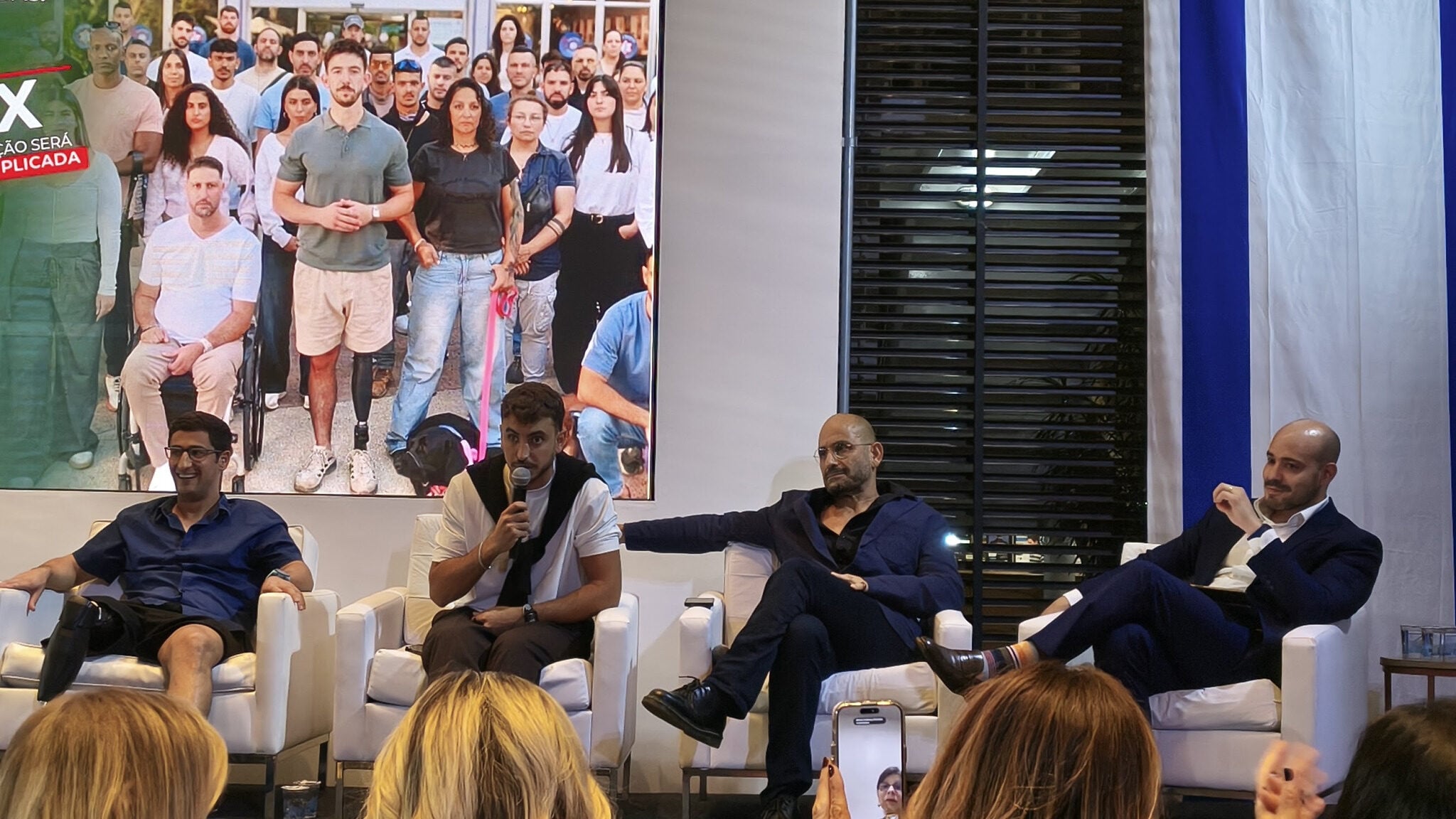
Also in attendance were prominent leaders of the Brazilian Jewish community, including former Hebraica President Fernando Rosenthal, as well as political scientist and Middle East expert André Lajst, who moderated the interview and question-and-answer panel with the evening’s guests.
Stories of War, Courage, and Renewal
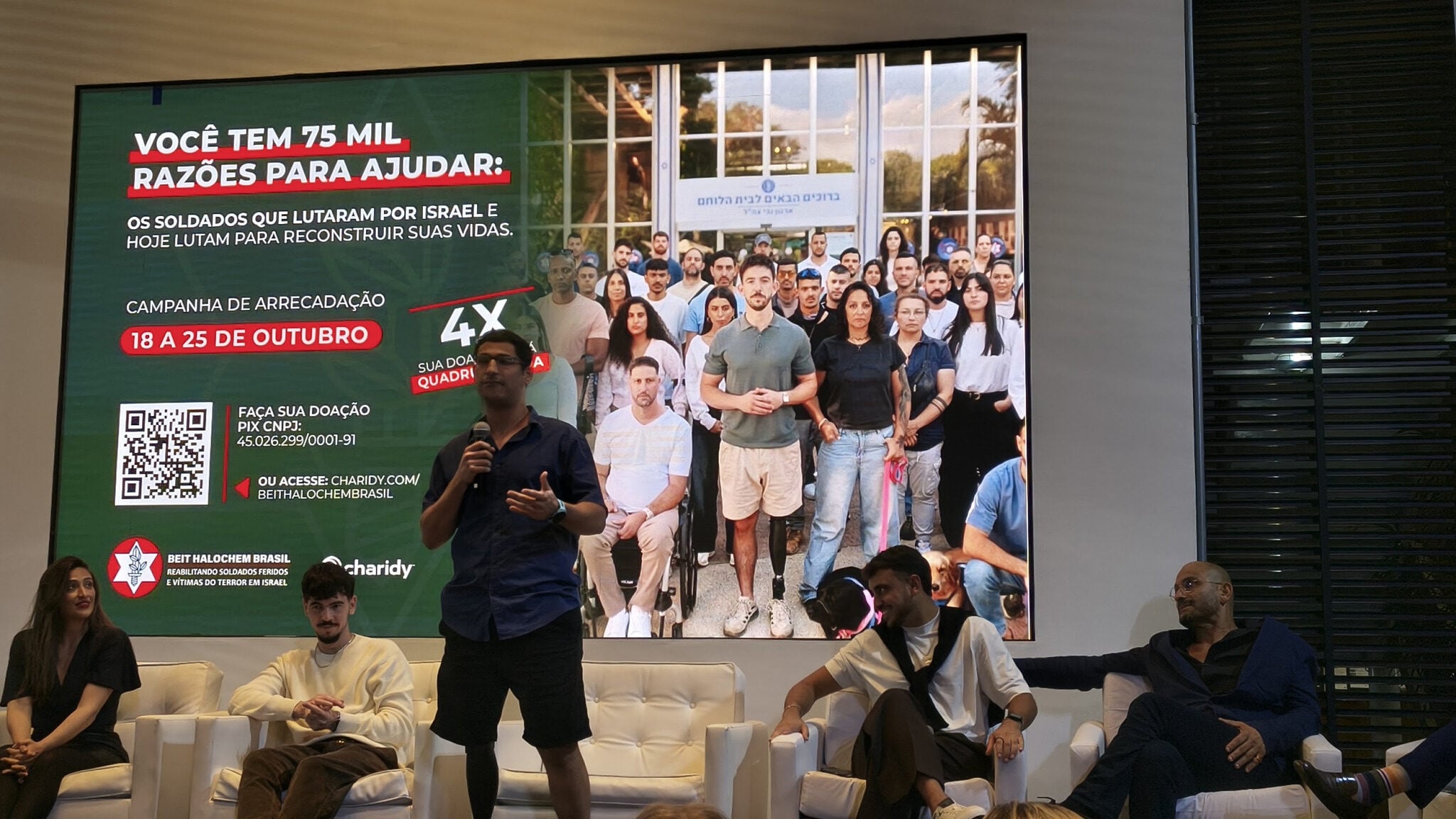
The most powerful moment of the night was the panel featuring veterans wounded in combat, who shared emotional accounts of the events following the October 7, 2023 attacks and their paths toward physical and emotional recovery.
Among them was Amit Bar, who lost a leg during an operation in Gaza. In testimony marked by emotion, courage, and even moments of humor, he described how he found the strength to rebuild his life after the amputation and the loss of fellow soldiers.
I lost my leg and wondered who I would be without it. Then I realized I could continue serving my country in other ways. Today, I study, work to strengthen Israel’s international relations, and continue fulfilling my mission.
Amit deeply moved the audience as he reflected on resilience and purpose, emphasizing that life’s hardships should not define who we are. His message of hope received one of the evening’s strongest rounds of applause.
Another remarkable testimony came from Shayli Lebovitz, who partially lost his eyesight after being severely injured during a military operation. His story highlighted not only the physical challenges of recovery, but also the critical importance of family support, medical teams, and the rehabilitation programs provided by Beit Halochem.
The testimonies demonstrated that the organization’s role extends far beyond medical rehabilitation. For many veterans, Beit Halochem becomes a second home, offering support, friendship, and the tools needed to rebuild life after the traumas of war. Amid stories of pain, the prevailing message was one of hope, resilience, and the human capacity to begin again.
Fauda Actors Reflect on Art, War, and Responsibility
The appearance of the cast members from Fauda, the internationally acclaimed Israeli television series, was among the evening’s most anticipated highlights.
During their discussion with the audience, the actors reflected on the show’s impact in shaping understanding of the Middle East conflict and on the responsibility of portraying fictional stories inspired by real-life experiences of both Israelis and Palestinians.
Actress Meirav Shirom recalled the shock she felt upon waking on the morning of October 7 and witnessing events that would profoundly reshape Israeli society.
As a mother, wife, and citizen, I felt powerless. When we returned to filming Fauda, I felt that I was contributing in some way to helping the world understand what was happening.
Actor Yaakov Zada-Daniel, who also has experience in Israeli security services, highlighted the difference between portraying conflict on television and confronting its real-life consequences.
On television, the bullets are fake and the blood is makeup. In real life, the consequences are permanent. But I believe art has the power to help people understand human stories and develop empathy.
Throughout the conversation, the cast members displayed great sensitivity while discussing the challenges Israel has faced since October 7, while also expressing deep admiration for the veterans in attendance. Their charisma, combined with their unwavering support for the mission of Beit Halochem, resonated strongly with the audience and reinforced the evening’s message of unity, resilience, and solidarity.
The Impact of October 7
Throughout the evening, guests reflected on the events of October 7, 2023, and the profound changes that have affected Israeli society since then.
Veterans shared their experiences from rescue and combat operations carried out in the aftermath of the attacks, describing moments of pain, loss, and courage. Despite the deep scars left by the tragedy, the stories also highlighted the unity and resilience demonstrated by Israeli society during the crisis.
Among the most impactful testimonies was that of Igal Gittay, a veteran of Israeli special operations units who participated in missions conducted in the days following the attacks. Recalling the scenes he witnessed, he emphasized that every victim, family, and community affected carries a unique story.
Every small story of October 7 is a great story. When we look closely at each one, we see lives, families, young people and elderly people whose realities were transformed forever.
Solidarity Across Continents
Beyond the emotional testimonies, the event reinforced the bonds between Brazil’s Jewish community and Israel.
Guests praised the support received from Brazil and emphasized the importance of strengthening ties between Diaspora Jewish communities and Israelis.
“You may not realize how much this support means to us. Knowing that we are not alone gives us strength to keep moving forward,” said one of the Israeli participants.
A Message of Hope
The event concluded on an emotional note with the singing of Hatikvah. Standing together, attendees raised the flags of Israel and Beit Halochem in a powerful moment of symbolism, unity, and tribute to wounded soldiers and their families.
More than a fundraising campaign, the evening became a powerful demonstration of resilience, solidarity, and commitment to those who sacrificed part of their lives in defense of Israel.
Amid tears, applause, smiles, and moving stories of perseverance, one message resonated throughout the event: even in the face of the scars left by war, hope, unity, and the capacity for renewal remain among the greatest strengths of the Jewish people.
The veterans’ message was clear: challenges and losses should not define a person’s future. Inspired by their own recovery journeys, they demonstrated that it is possible to transform pain into purpose, rebuild one’s life, and continue contributing meaningfully to society.
Support This Initiative
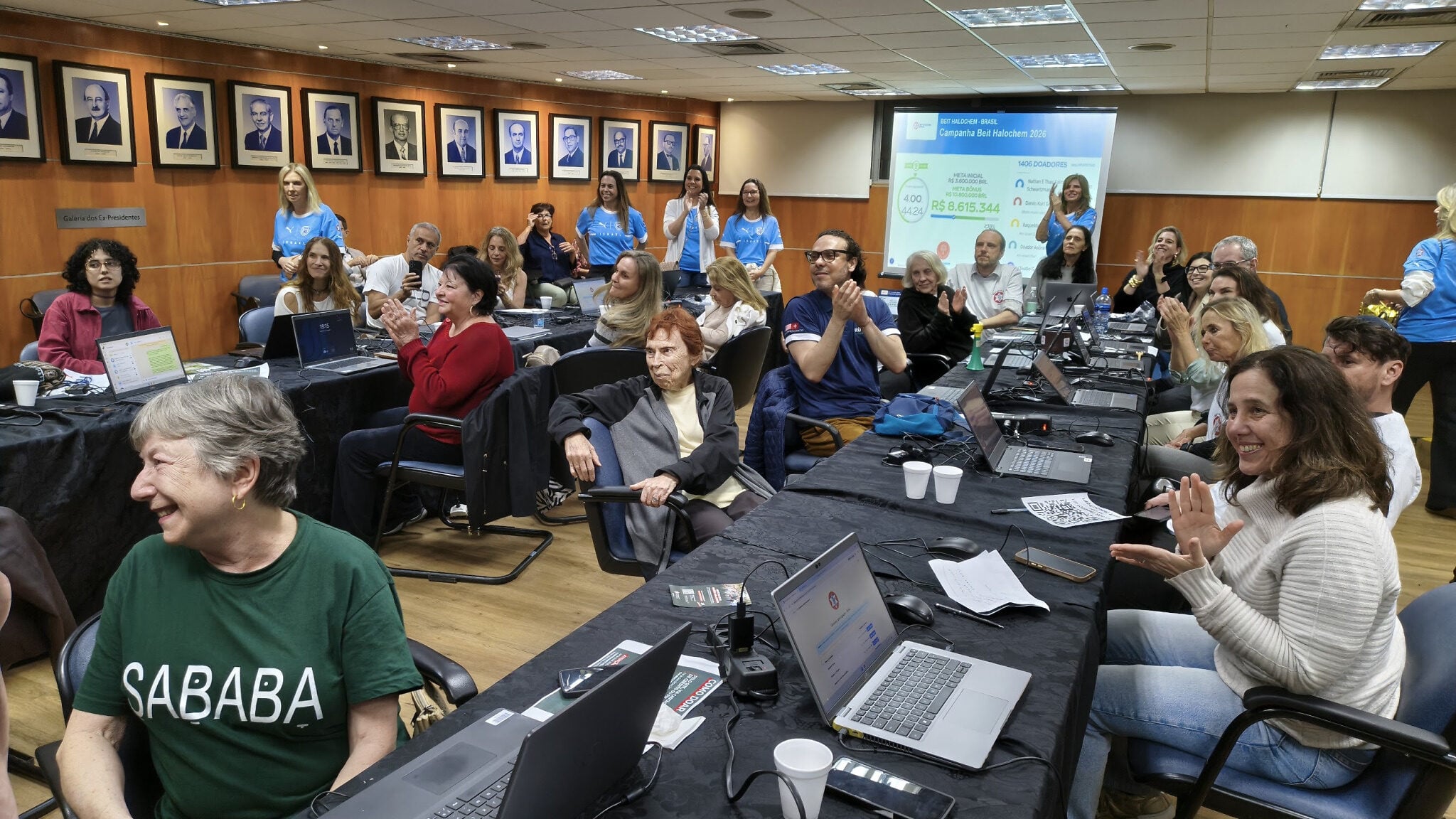
On October 18, Beit Halochem Brazil launched the Beit Halochem 2026 Campaign, a fundraising initiative dedicated to supporting the physical and emotional rehabilitation of Israeli soldiers wounded in combat and civilian victims of terrorism.
One of the campaign’s key features is that all donations will be quadrupled, significantly increasing their impact.
Donations can be made through the Charidy platform at:
https://www.charidy.com/beithalochembrasil
–
Written by Liane G. Zaidler and Silas Anastacio