
Between Hormuz and the wind turbine
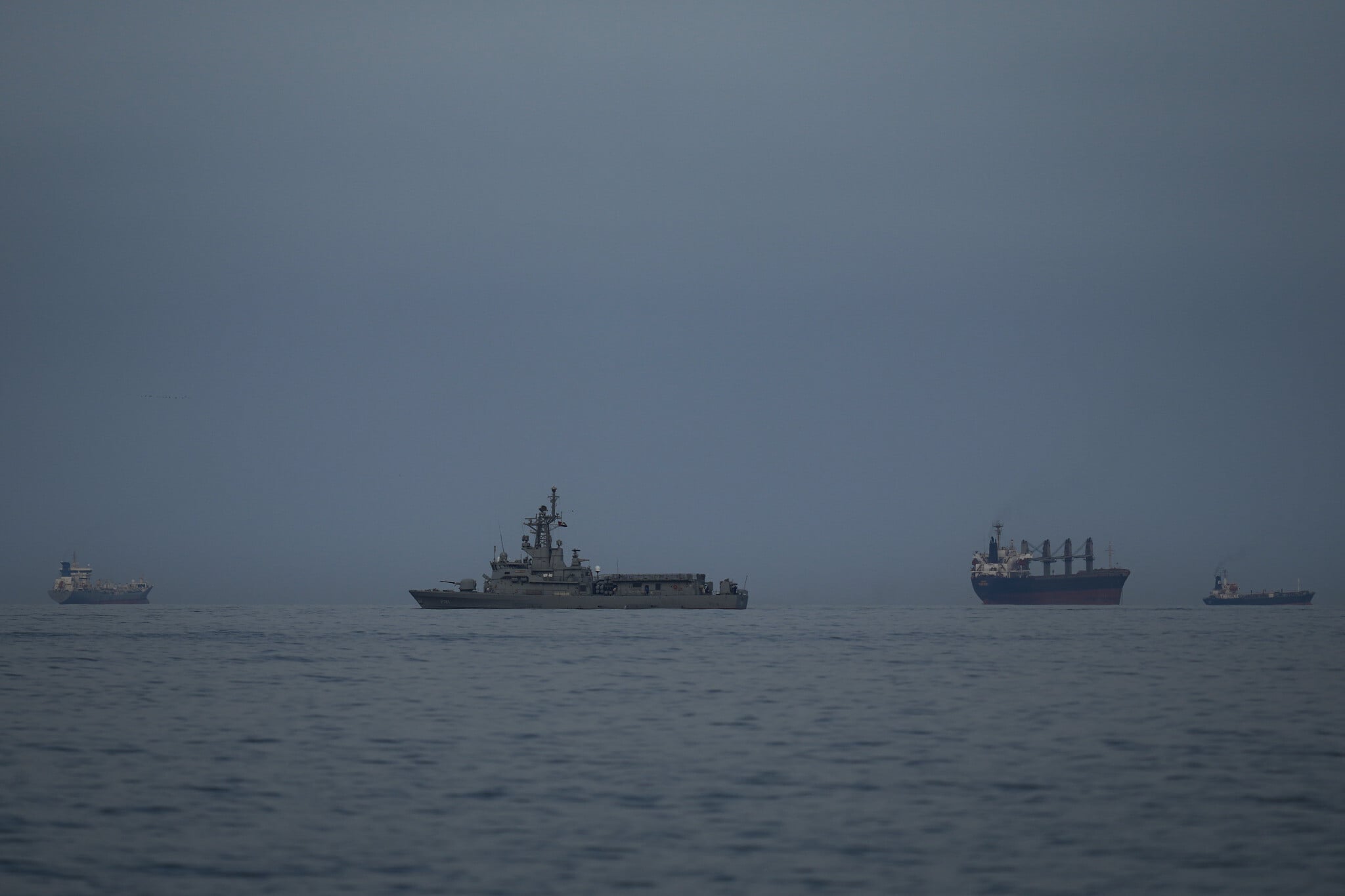
When oil prices spike, collective economic memory plays tricks on us. As crude surged past $100 per barrel amid escalating tensions with Iran and the closure of the Strait of Hormuz, familiar warnings quickly resurfaced: the 1970s are back, the era of embargoes has returned, and the global energy order is shifting once again. But investors — and policymakers — should resist the temptation to draw easy parallels.
The real question is not whether oil prices are rising, but why. Is this a fundamental shift in global supply and demand, or simply a temporary fear premium driven by geopolitical instability? And more importantly, does this moment justify a rush into oil markets or a deeper rethink of where the world is heading?
Today’s price spike is not primarily the result of physical scarcity. While the Strait of Hormuz is a critical artery responsible for roughly a fifth of global oil and gas flows, modern energy markets are far more resilient than they were half a century ago. Strategic reserves, diversified supply chains, and rapid institutional coordination have fundamentally changed the equation. What we are seeing is largely a geopolitical risk premium — estimated at $25 to $40 per barrel — driven by uncertainty, speculation, and rising transport and insurance costs. If and when the conflict stabilizes or alternative routes are secured, that premium could dissipate quickly. Major energy agencies already project a return to $70–$80 oil by year’s-end, assuming no catastrophic infrastructure damage. The system is absorbing the shock, not collapsing under it.
The comparison to past oil crises also ignores a critical reality: the United States is no longer dependent on foreign oil in the same way it once was. It is now the world’s largest producer, pumping more than 13.5 million barrels per day and exporting energy at scale. Higher prices no longer act solely as a burden on American consumers — they also fuel domestic production and profits. At the same time, the global economy itself has evolved. Energy intensity has fallen dramatically since the 1970s, as growth has shifted toward services, technology, and digital infrastructure. Oil still matters, but it no longer dominates.
And yet, dismissing the current crisis would be a mistake. Its significance lies not in oil prices themselves, but in what they reveal: energy vulnerability remains a strategic risk. For Israel in particular, this is not theoretical. Despite the gains from natural gas, the country remains dependent on centralized infrastructure, such as offshore platforms, that are inherently exposed in times of conflict. The lesson is clear. Energy independence is no longer just an environmental aspiration — it is a national security imperative.
This is where the real opportunity lies. While oil markets are driven by geopolitics, renewable energy is driven by technology, and the trajectory is unmistakable. Solar and wind are now the cheapest sources of new electricity generation in much of the world. Even more importantly, the long-standing weakness of renewables — storage — is rapidly being solved. Battery costs have fallen by roughly 90 percent over the past decade, reaching levels that enable stable, around-the-clock clean energy supply. This is not a distant vision. It is already happening.
The global energy system is gradually shifting from petrostates to what might be called “electrostates” — from fuel-based power to electricity-based systems supported by storage and smart grids. For investors, the takeaway is not to react, but to position. Chasing oil at today’s elevated prices risks being caught on the wrong side of normalization once geopolitical tensions ease. By contrast, investing in renewables should not be viewed as a short-term trade, but as participation in a structural transformation that will unfold over decades. The most compelling opportunities lie not only in generation, but in the infrastructure that makes it viable at scale — energy storage, grid management, and system integration.
The energy market of 2026 is not a replay of the past. We are witnessing a shift in how energy security is defined, from oil tankers crossing vulnerable waterways to decentralized systems of panels, batteries, and intelligent grids on land. For those who can separate short-term noise from long-term transformation, this moment is not a crisis to fear. It is an opportunity to invest in what comes next.