Beyond Pros and Cons: When To Trust Your Gut
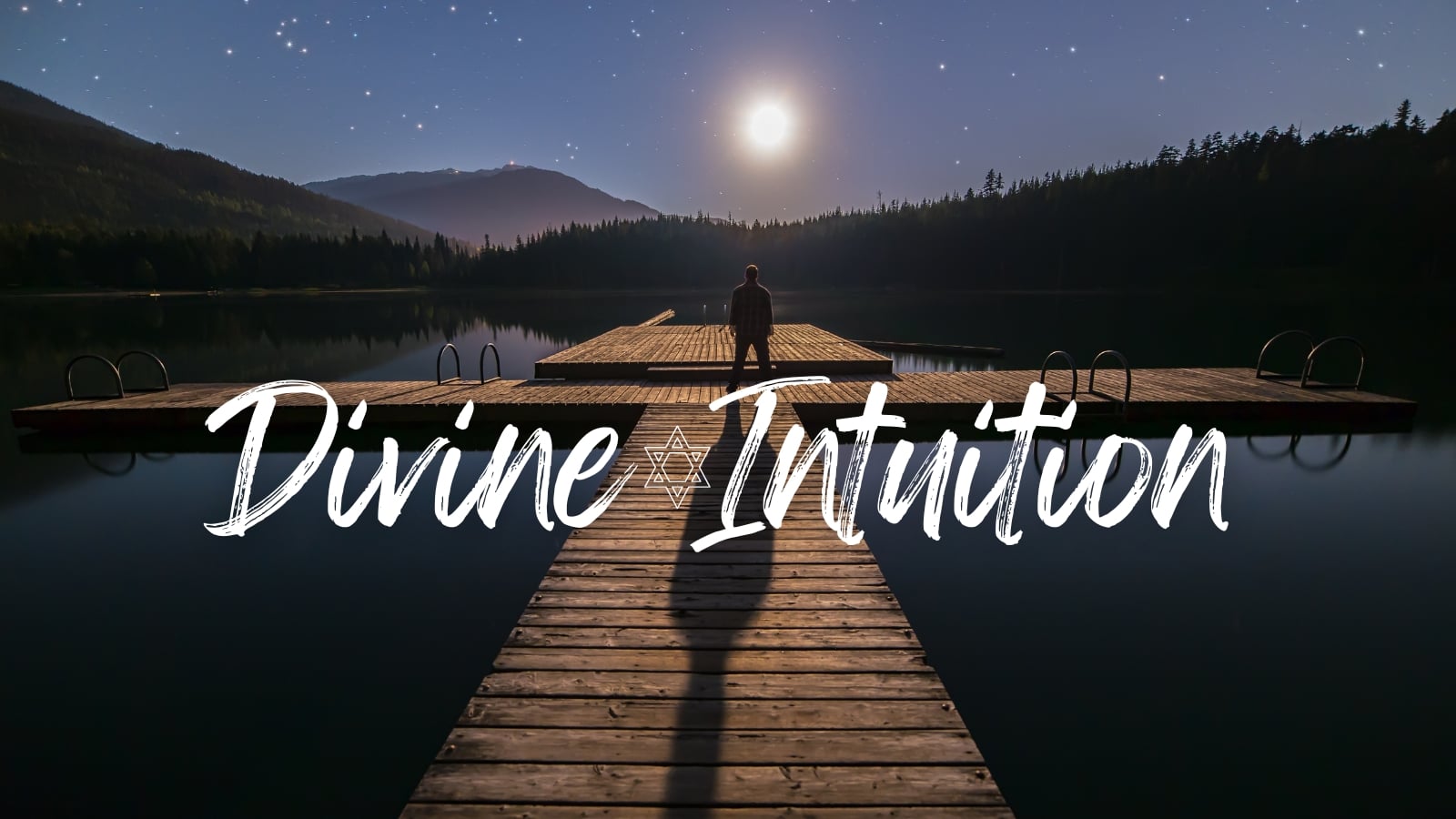
As someone who suffers from a healthy dose of indecisiveness, I’m always interested in wisdom on making better decisions.
One of my favorite books on the topic is Malcolm Gladwell’s Blink: The Power of Thinking Without Thinking. Gladwell popularized the idea of “thin-slicing”: the human ability to gauge what is truly important from a very narrow slice of experience. Sometimes, he argues, spontaneous decisions are as good as, and even better than, decisions made after long, careful analysis. We possess what he calls an “adaptive unconscious,” an internal mechanism that constantly absorbs information, reads situations, and helps us react before our conscious minds can explain why.
Gladwell is basically telling us to trust our gut.
But what is the Jewish perspective? When we face life’s most important decisions — whom to marry, which profession to pursue, where to live – should we decide instinctively, or should we carefully weigh every factor?
This week’s parsha, Parshat Chukat, provides deep insight into this question. The Torah commands us to observe chukim — mitzvot whose reasons are beyond human comprehension. A chok calls us to act from a place deeper than logic. Rabbi Joseph B. Soloveitchik asked a powerful question about the Jewish people’s response to God’s offering of the Torah at Sinai: Why did we say Na’aseh v’nishmah — “We will do and we will listen” — before knowing exactly what we were accepting?
The Talmud (Shabbat 88a) teaches that when the Jewish people placed “we will do” before “we will listen,” a heavenly voice declared: “Who revealed to My children this secret used by the ministering angels?”
But why were our ancestors praised for this response? Shouldn’t we be expected to use our minds? Maimonides teaches that man’s uniqueness, being created in the Divine image, lies in our capacity for intellect and wisdom. If so, why would our greatest spiritual moment be one in which we bypass the rational mind?
Rabbi Soloveitchik, otherwise known as “the Rav”, answers by quoting the masters of Kabbalah, who taught that man’s unique endowment — what distinguishes us from the rest of creation — is not our rationality, but rather our ratzon elyon, the higher will. The higher will, which is above the intellect and makes its own decisions without consulting the intellect, constitutes man’s real identity.
What we call our intellect is simply our brain weighing the pros and cons of any matter or decision. That is the ratzon tachton – “the lower will” which is subordinated to our higher will. The Rav teaches that major life decisions are made spontaneously in response to a command from within – intuition. The intellect, or the ratzon tachton, the lower will, “is [then afterwards] called upon to justify the decision, to remove any inconsistencies and to plan implementation.” The ratzon tachton, or our intellect, balances credits and debits, weighs alternatives, and measures consequences. But the ratzon elyon is aggressive and passionate: “it bursts forth with fervor and emotional intensity. Its insights and higher affirmations are inspired by the breath of Divinity with which every man is endowed.”
The ratzon tachton, says the Rav, is practical and guided by cold facts, whereas the ratzon elyon is not concerned with worldly success or profits, and it therefore enables us to take risks and make decisions based on true vision, not simply on practical reality.
When God offered the Torah to the Jewish people, the safe thing to do would have been to say: “Wait, let’s check it out. How about a 30-day sample period? We’ll have our lawyers look it over…” That is precisely what the other nations did. According to the Midrash, they asked what was in it.
Na’aseh v’nishmah – “we will do, and we will hear” means the Jews answered with the ratzon elyon, not with their intellect, but with their gut – what they naturally perceived was right and true, and that is why the angels praised them. Because when you make a decision based on your ratzon elyon — intuition, and not simply the intellect — then, according to Kabbalah, you are tapping into the tzelem Elokim, into the Divine image within each of us. That is when we know we are making the best decision.
But are we really supposed to make our most important decisions based on intuition, and what “feels right”? My understanding is yes —if our intuition has been properly developed. If our instincts are shaped only by TikTok or popular culture, then our gut will lead us astray. But if our inner world has been shaped by the right role models and information, our intuition is something we can rely on to begin the decision-making process. Afterward, the intellect can confirm we’ve made the best decision.
That is why our environment matters so much. It is why it is critical to read serious books and study actual history; otherwise, our generation will fall prey to false narratives about Israel and so many other pressing issues of our time.
It is also why we endeavor to send our children to Jewish schools, where they are surrounded by educators and role models who can transmit authentic Jewish values and help shape what they come to instinctively value. And it is why we come to Torah classes and pray regularly. Prayer is not only about asking God for what we need. It is a daily check-in with our deepest values. Over time, Torah and tefillah refine our instincts.
I recently spoke with a young woman from MJE who expressed interest in traveling to Israel to study Torah. On paper, it made little sense. It was not the best time professionally. Socially and personally, there were also reasons to stay. Her practical mind — her ratzon tachton — had a whole list of arguments against going. But something inside – her ratzon elyon (higher will), kept telling her to go. She had spent enough time in classes, Shabbat experiences, and conversations with mentors for her spiritual intuition to awaken. Her intellect could list the obstacles, but her soul recognized the opportunity.
Jewish history is filled with such moments. In 1948, just three years after Auschwitz, the rational calculation might have been to lay low, recover, and avoid risk. But the ratzon elyon of the Jewish people burst forth through the chalutzim and builders of the State of Israel. They saw not only danger, but opportunity.
Here in America, in the 1950s, when Jewish observance was weak and antisemitism gave Jews every reason not to be too visible, the Lubavitcher Rebbe began sending shluchim – “messengers” across the world. It was risky and bold, but it changed Jewish history. The Rebbe famously taught that if the Nazis searched out every Jew in hate, we would search out every Jew in love.
The Rebbe was following the path of an earlier giant: Rabbi Akiva, who, after losing 24,000 students, could have withdrawn. The rational part of him could have said, “It’s over.” But his ratzon elyon told him otherwise. He went south, found five new students, and, through them, the Torah was rebuilt.
We need the ratzon tachton (lower will) to plan responsibly, measure consequences, and implement wisely. But we also need the ratzon elyon (higher will) to give us courage, vision, and faith.
By surrounding ourselves with the right people, engaging in Torah study, and praying regularly, we develop our ratzon elyon — our higher spiritual will. Then, when the next major decision presents itself, we will not simply weigh pros and cons; we will be able to see the spiritual opportunity placed before us. May God bless us with the clarity to recognize that vision, and the courage to follow it.