


Beyond the Ballot Box: Israel’s Strategic Future
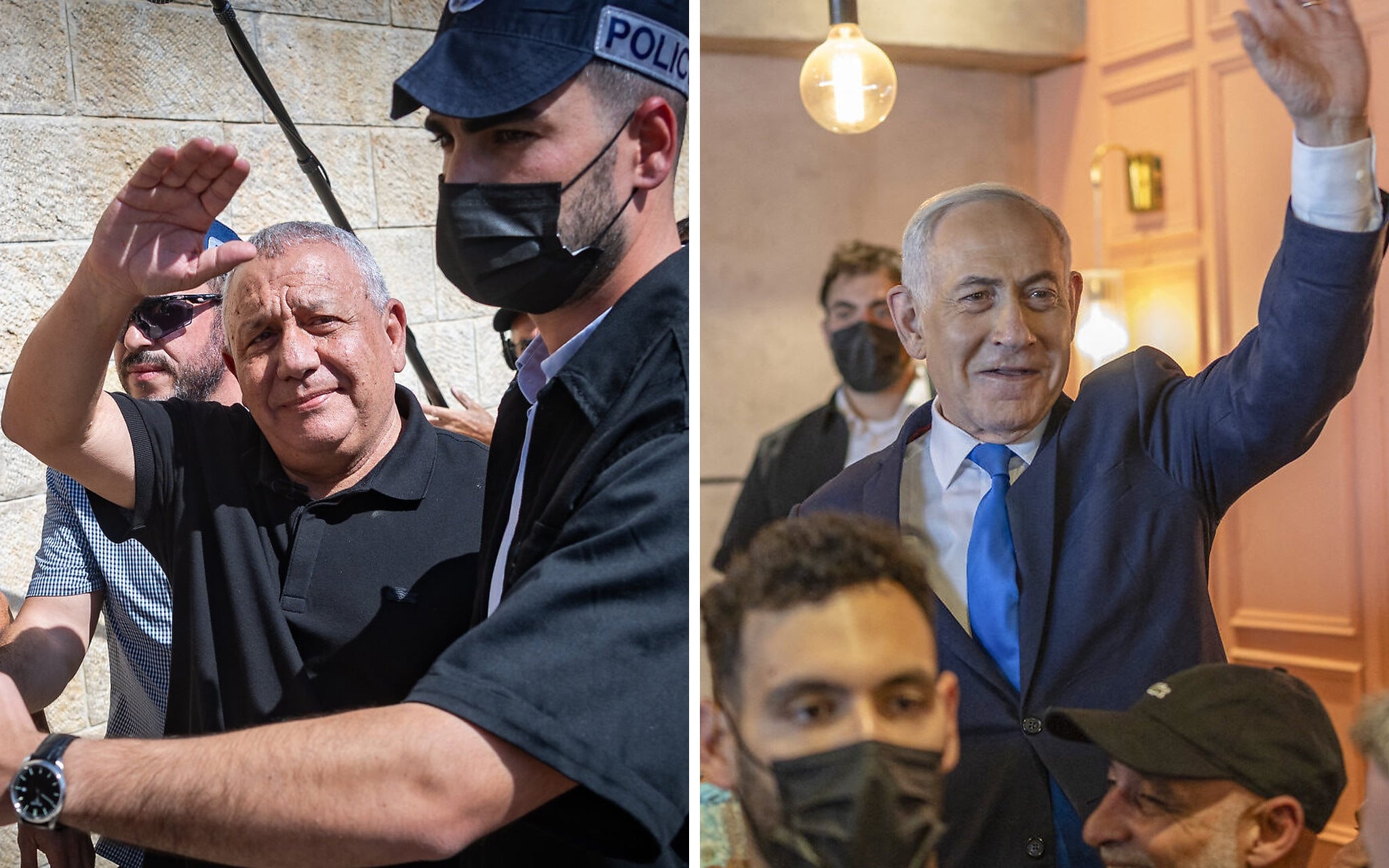
Israel’s Elections: Can a Change of Government Change the Middle East?
Israelis vote on October 27. But these elections matter for far more than simply Israel. Washington, Tehran, European cities and Arab nations will be watching carefully. Why is it that an election in a small country attracts so much attention from all over the world? The answer is simple… Israel’s choices can have effects far beyond its borders. A military move against Iran could affect energy markets, U.S. foreign policy, and the security of other countries. But perhaps the real question isn’t who will be Israel’s next prime minister. It could be whether a new government can alter the country’s strategic direction.
Israel has not been the same place since October 7, 2023. The Hamas attack and the conflicts that followed in Gaza, Lebanon, and Iran have transformed the way Israelis think about their security. Preventing threats from reaching Israeli land, retaining freedom of action for the military, and decreasing the capabilities of hostile groups have become vital components of the country’s security strategy. And here is when it gets really intriguing. These concepts do not belong to Benjamin Netanyahu. Many of his political rivals also see Iran as a big threat and think Israel must keep the option of a military strike open if needed. Thus, a change of administration is not a change of security doctrine.
Washington is aware of this. The United States will continue to be Israel’s principal strategic ally, no matter what the next coalition is. But U.S. backing does not mean the two countries always have the same interests. Washington also has to examine its ties to Arab nations, the security of international trade routes and the potential of being drawn deeper into regional crises. The important question for Americans, therefore, is not so much who rules Israel but the extent to which Israel’s actions can be brought into harmony with American interests in the region.
Iran is viewing the same election from another angle. It realizes that a change in Israel’s leadership may not relieve the pressure it is under. But what could alter is the nature of the pressure: through military operations, deterrence, diplomacy, or a mix of these instruments. This is an important difference. The ways of confronting the adversary may change but the adversary can remain the same.
The Arab governments face a different challenge. Several of them share Israel’s worries over Iranian influence. However, the war in Gaza, developments in the West Bank and the Palestinian conundrum mean that greater regional collaboration has significant constraints. A new Israeli administration could open new diplomatic chances. But those prospects would depend on genuine policy changes, not just a change of leadership. Europe will be watching as well. European countries care about regional stability, international law, Gaza and the West Bank. Any modification of Israel’s diplomatic posture might relieve some of the tensions but will not necessarily address the disputes that have emerged in recent years.
There’s an economic element, too. The elections themselves won’t impact the price of oil or the direction of international currencies. Decisions on Iran and regional military escalation might impact oil supply, maritime routes and financial markets. Investors will be more interested in the policies that follow rather than the outcome of the election. One last point to consider is the Israeli political system. The fact that you have the most votes doesn’t mean you can establish a government. The next coalition will have to have a parliamentary majority and smaller parties may have quite an influence on its aims. There is also the possibility of a prolonged political standstill. That means the world may know the election results before it knows what kind of administration those outcomes will produce.I think these elections highlight a dilemma that is far bigger than the political future of Benjamin Netanyahu. Are we seeing the policies of a single government, or the birth of a new Israeli security doctrine that will remain in place no matter who is in power? That is the question which will be asked in the international capitals.
Israel has shown it is capable to project military strength on multiple fronts. But military might and long-term political security are not the same thing. A government could undermine its foes and not necessarily add to a more stable regional situation. It can also pursue diplomatic arrangements without giving up its core security goals. The true challenge for Israel’s future government will be to find a way to make those two elements work in tandem.