


Writing Where Intelligence Meets Strategy
Bombing Iran’s Dams Could Save the Ayatollahs
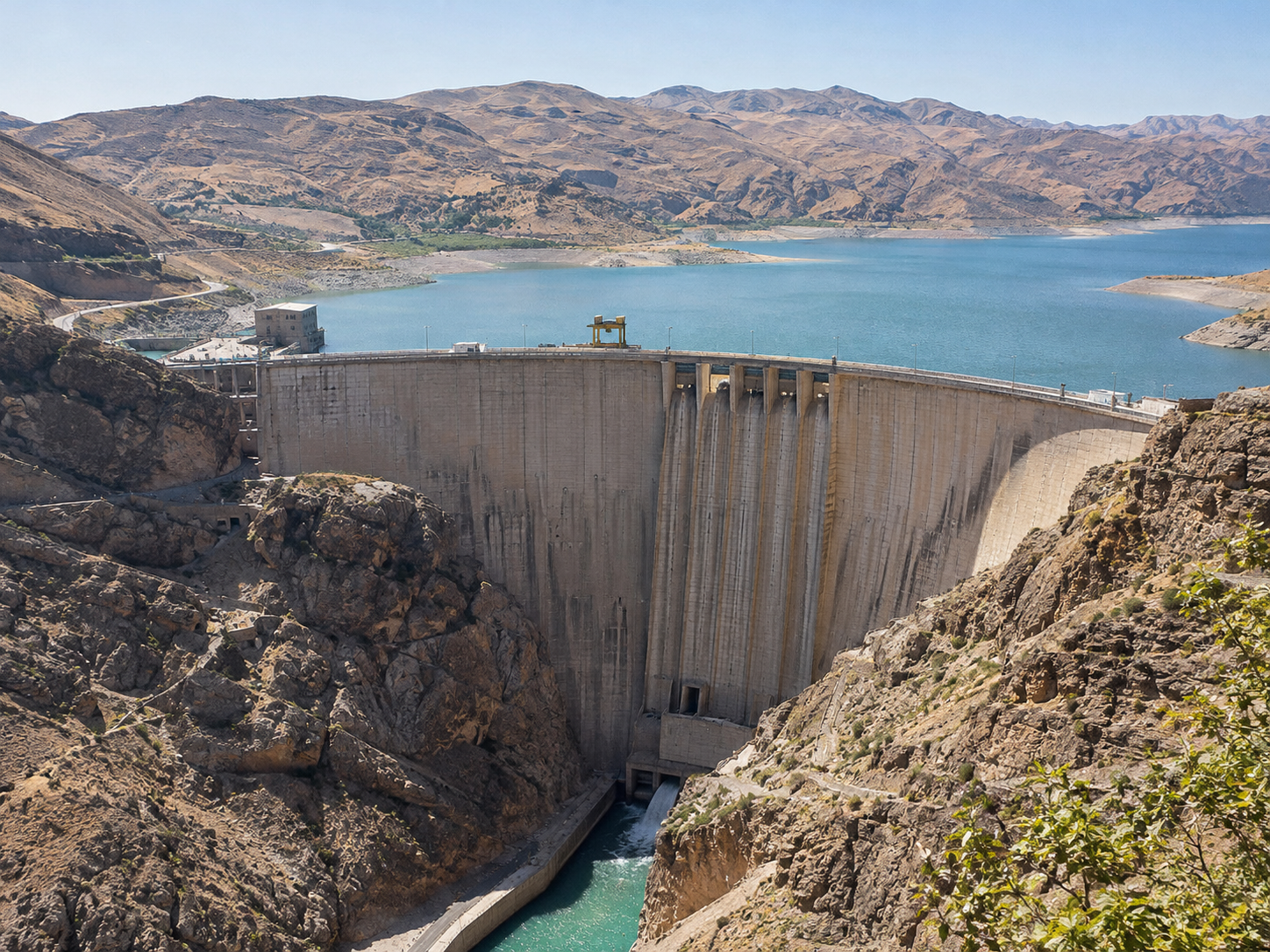
Generated using AI.
Flowing water doesn’t distinguish between the Revolutionary Guards and residential neighborhoods. Destroying the lifelines of 90 million people will trigger a massive humanitarian catastrophe and rally the Iranian public around its rulers.
To some strategists, striking Iran’s dams sounds like a tempting shortcut: a decisive blow to national infrastructure that would paralyze the country and destabilize the Islamic Republic. Yet flowing water makes no distinction between an IRGC base and a residential neighborhood, a hospital, or a farm. Targeting dams is not a “surgical strike”, it is opening the floodgates to a humanitarian disaster that would devastate tens of millions of innocent civilians without guaranteeing a single political gain.
The strategic logic behind such a move is equally flawed. The assumption that extreme civilian suffering will drive Iranians into the streets to topple their government ignores the lessons of history. An existential threat from abroad produces a “rally around the flag” effect: the regime would cast itself as the defender of the homeland, redirect public anger away from domestic corruption toward the attacker, and leave a population fighting for a drop of water and a loaf of bread consumed by daily survival, not organized revolution.
Added to this is a severe legal and security red line. International humanitarian law explicitly protects dams precisely because of their catastrophic potential for civilian life. Breaking this taboo would invite fierce international isolation, accusations of war crimes, and hand Israel’s adversaries a dangerous pretext to target vital civilian infrastructure on our side, foremost among them desalination plants.
There is a profound difference between degrading military and nuclear capabilities and choking the lifelines of a nation of 90 million people. Bombing Iran’s dams is not a blueprint for victory, it is a reckless moral and strategic gamble whose price will be paid by the innocent.