


Unapologetically Explaining Israel and Sharing the Jewish Light.
Bridging Syria and Israel Toward Peace
Could Operation Good Neighbor and the Lessons in Compassion and Trust Pave the Way for Future Peace between Israel and Syria?
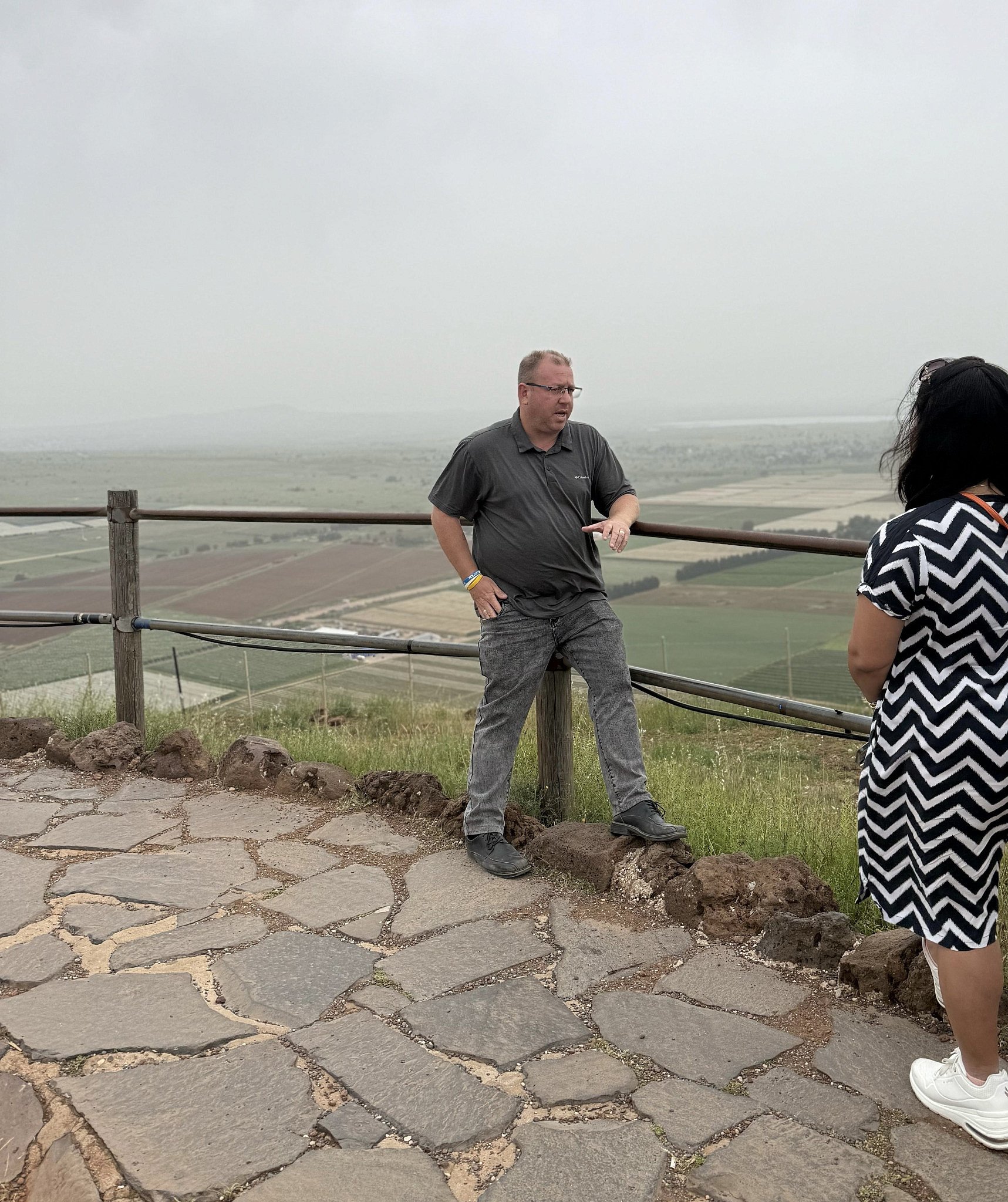
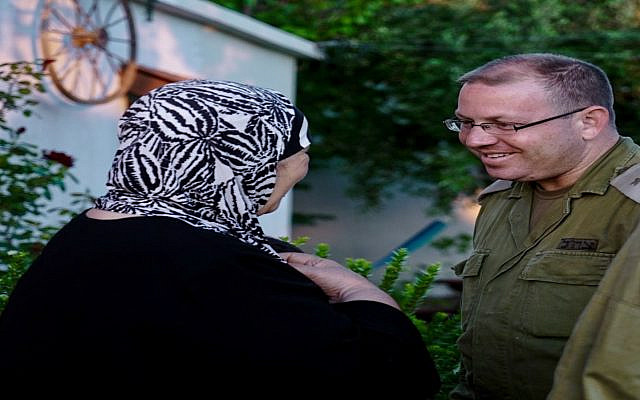
A couple of months ago, I stood at a lookout point on the Golan Heights, facing the Syrian border. The view stretched across a broken landscape—Syria, still scarred by years of war and too often overlooked by the world. Beside me was Lt. Col. (Res.) Eyal Dror, the man behind one of Israel’s most remarkable yet little-known humanitarian efforts: Operation Good Neighbor. Between 2016 and 2018, under his leadership, the Israel Defense Forces (IDF) carried out over 700 cross-border missions delivering aid to Syrian civilians caught in a brutal conflict not of their making.
This operation was not just about geopolitics or border security—it was about human dignity amid chaos. Operation Good Neighbor built bridges of trust across enemy lines, reaching Syrians with food, medicine, fuel, and medical care. IMore than anything, it showed a side of Israel that is often overlooked: a country willing to act with quiet compassion and courage, even when few were watching.
The seeds of this mission were planted as early as 2013, but it remained classified until 2017. Eyal Dror, who commanded a special unit in the IDF’s Bashan Division, managed this complex initiative that aided over 250,000 Syrians in partnership with Israeli, Christian, and Muslim aid organizations.
Thousands of wounded Syrians began arriving at Israel’s northern border, many women and children. Israel responded by opening its hospitals and setting up a field hospital on the Golan Heights. What started as medical aid expanded into full-scale humanitarian relief—baby formula, educational materials, clothing, and food were all delivered in carefully planned missions. Operation Doctor’s Visit even brought Syrian children into Israel for treatment, allowing many to see Israelis not as enemies, but as lifesavers.
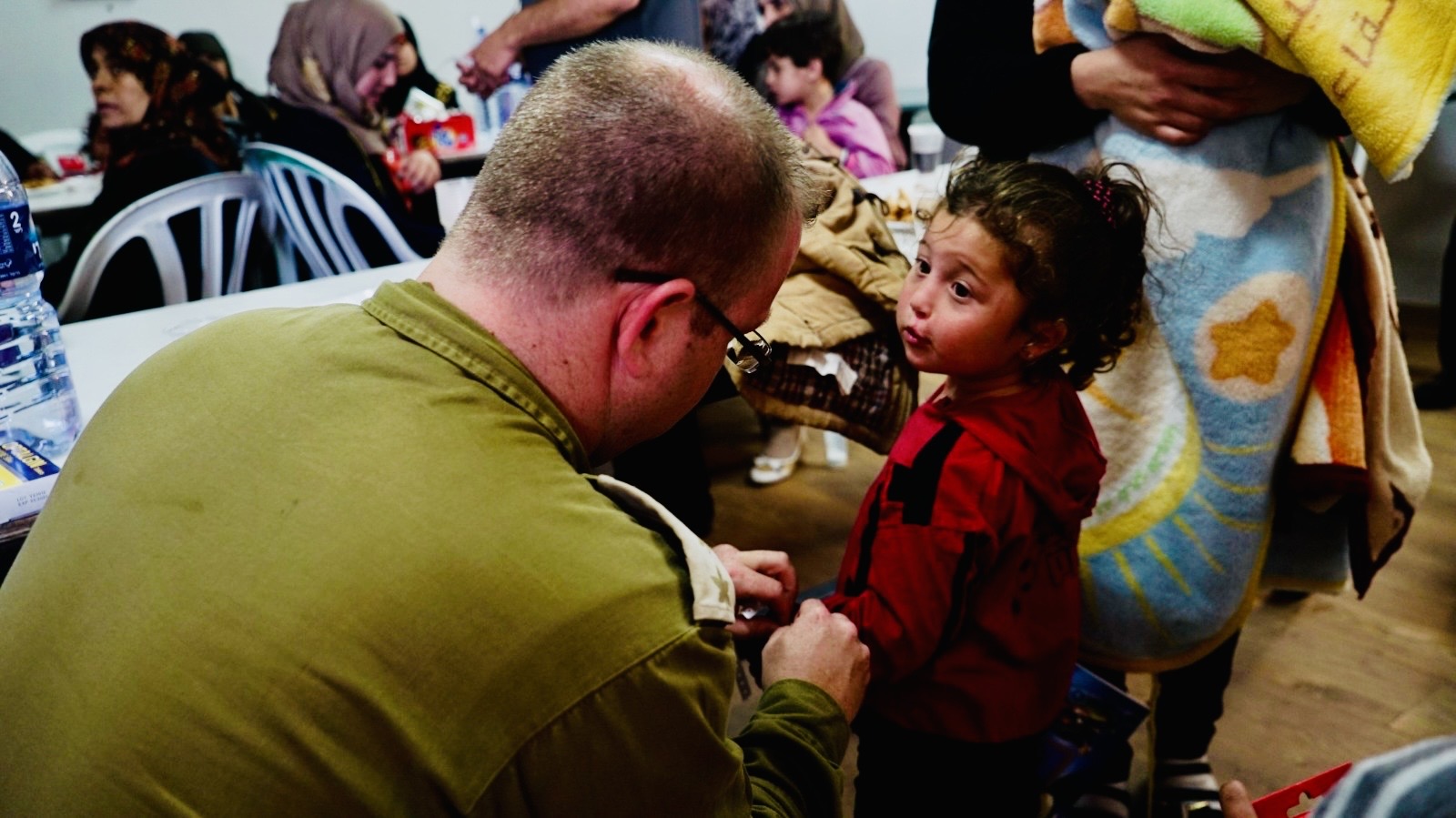
Uphold Israel’s humanitarian values while strengthening border security
Dror’s strategy was rooted in a powerful dual goal: uphold Israel’s humanitarian values while strengthening border security. By building trust with local communities, Israel created a buffer—not just geographic, but human—against extremist groups. Syrian civilians, taught to hate Israel, began to see the people behind the uniforms. The mission faced many obstacles. Some Syrians burned Hebrew-labeled aid packages, religious edicts limited cooperation to life-saving cases, and international NGOs were reluctant to work in the “occupied” Golan Heights. Yet, through persistence and partnership with Muslim and Christian organizations like Rahma and FAI Relief, aid reached those in need.
Rahma’s leaders, former residents of Damascus, once told Dror, “If you had told me I’d be standing here, helping my people with the Israeli army, I’d have thought you were insane.” FAI Relief volunteers established a clinic inside Syria, delivering thousands of babies with Israeli-American support—moments of life and laughter amid the war.
Dror recalls common questions from Syrians: “Why do you help us when your countries have fought wars before? Why risk your soldiers’ lives for us?” His answer was simple: “We couldn’t stand by while innocent people were being slaughtered. This wasn’t politics. It was the right thing to do.”
Unlike many international groups who filmed aid deliveries but left little behind, the IDF’s approach was different. They gave without expecting anything in return, involving Syrian partners in every step. This mutual respect—treating Syrians as equals rather than charity cases—became the mission’s foundation.
A turning point came when Syrian contacts, unable to reach major media, asked the IDF to speak for them. In July 2017, the IDF publicly revealed Operation Good Neighbor, bringing these quiet humanitarian efforts into the light.
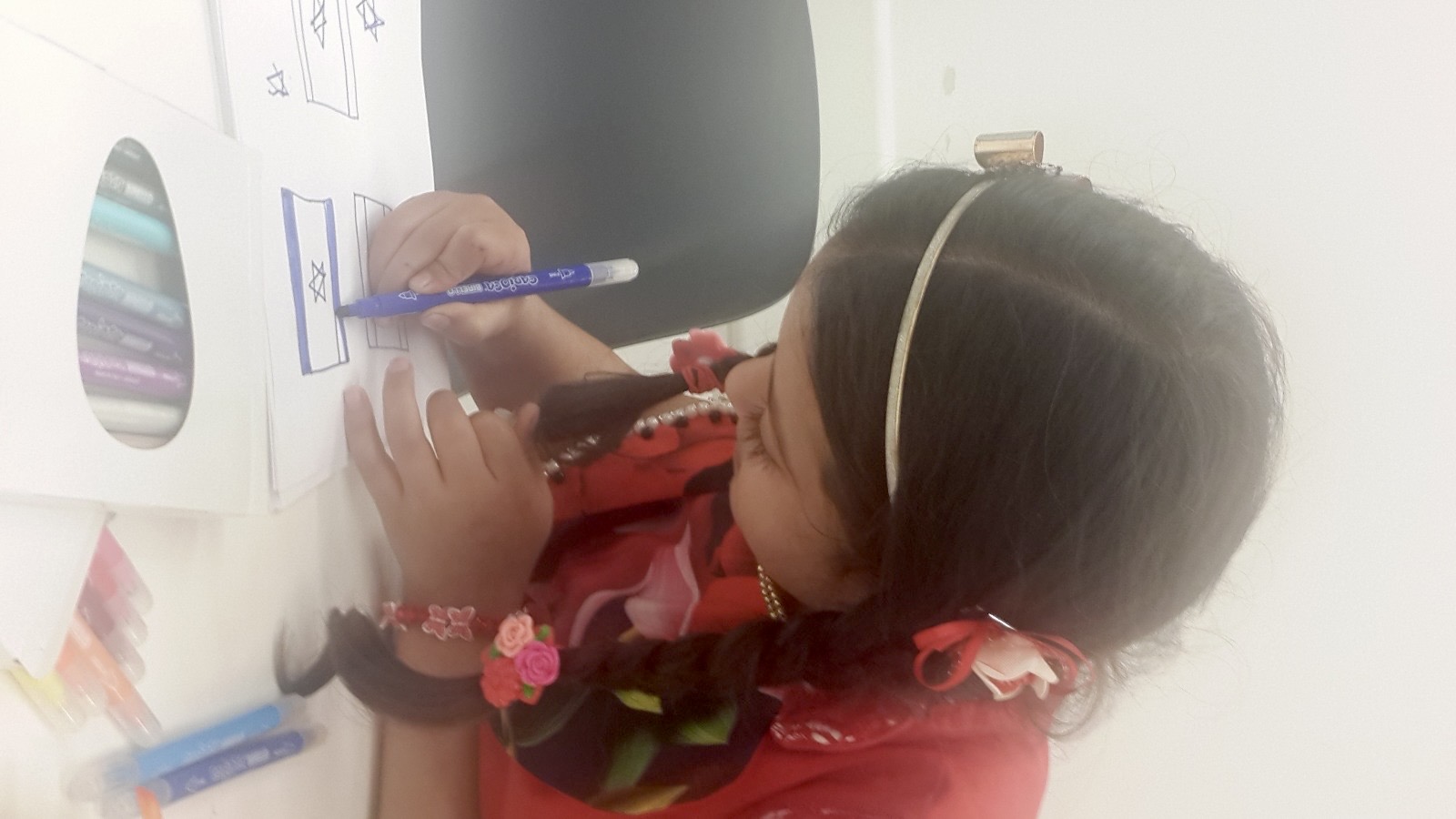
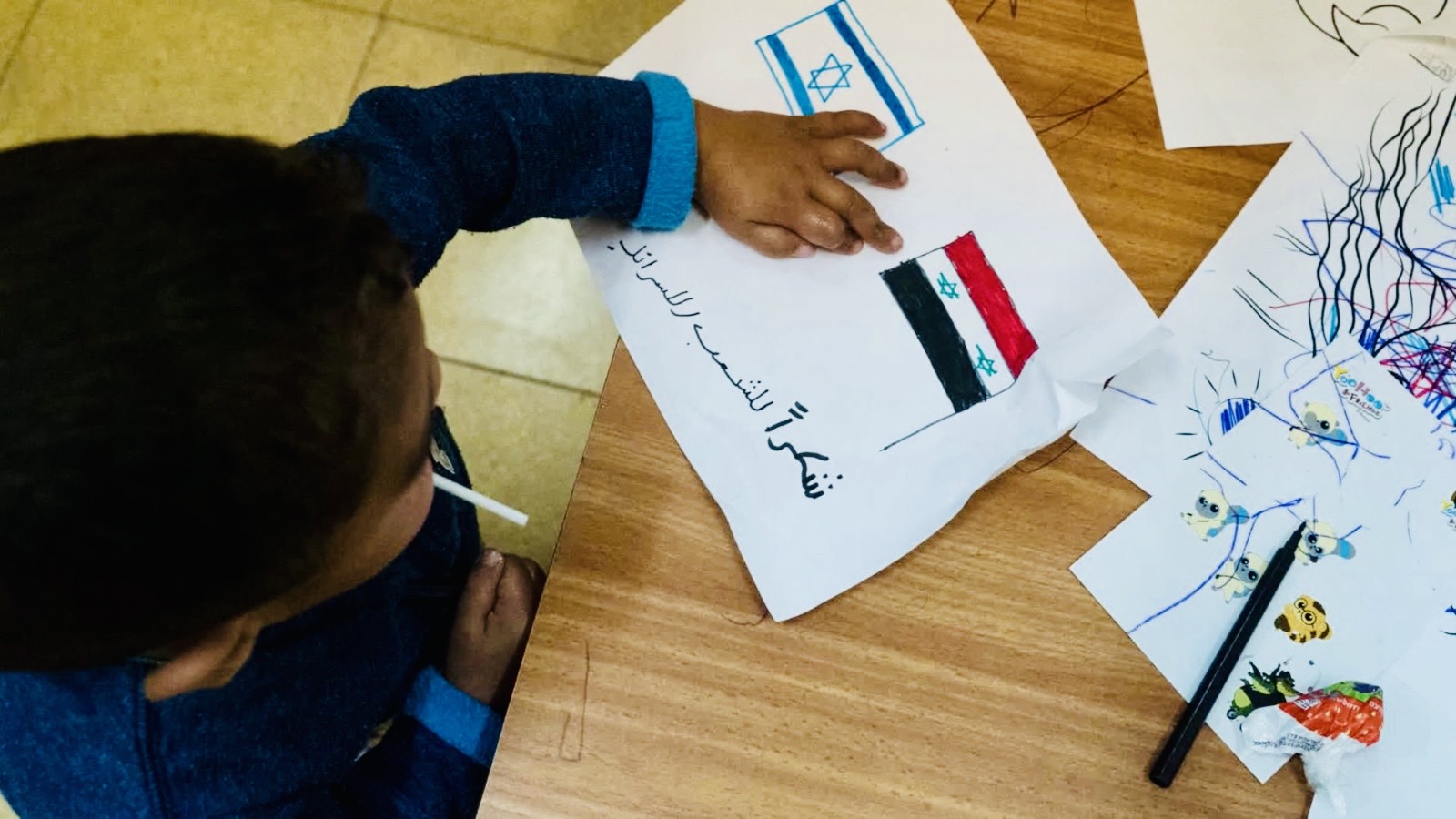
The stories are moving. A ten-year-old girl with severe diabetes, Wiam, was evacuated to Israel’s Ziv Medical Center and treated for months. Before returning home, she gifted Lt. Col. Dror a drawing of the Israeli flag and her Arabic nickname for him—“Abu Yaqoub.” Small acts like these spoke volumes.
For the IDF soldiers, the operation deepened their humanity. One soldier carried a boy with muscular dystrophy 400 meters to the border, saying, “I saw my little brother fall. I couldn’t not pick him up.” Another gave candy to frightened children, small gestures embodying tohar haneshek—the IDF’s ethic of humane warfare.
Did this mission change hearts? Many believe so. Syrian civilians who once saw Israelis as enemies discovered compassion instead—an enduring memory for all involved.
Today, as antisemitism rages globally and also in Germany where I live, often fueled by imported narratives, stories like Operation Good Neighbor challenge the falsehoods. Many Syrians who fled war and resettled in Europe are quietly rethinking their views on Israel. Those who lived near the border and witnessed Israel’s kindness have become voices for change. Their stories deserve to be heard.
Change takes time. Decades of hate and misinformation cannot be undone overnight. But in free societies like Germany, we have the unique chance to educate, build trust, and plant seeds of peace—one honest conversation at a time.
You can read all about the Operation Good Neighbor in Dror’s latest book Embracing the Enemy.
What is the future of Israel Syria relations?
The inconvenient truth for many is this: Israel is not the problem. It is part of the solution. To foster peace in the Middle East and justice in Europe, we must share stories like Operation Good Neighbor—not as propaganda, but as proof that empathy and security can coexist. Sometimes, peace begins with a single act of kindness, a single conversation, a single mission that dared to cross enemy lines to save lives. Operation Good Neighbor is a beacon of that hope—reminding us that even in the darkest conflicts, compassion can build corridors of peace.
As the prospect of Syria-Israel normalization cautiously enters the regional discourse, I hope that this message be read far and wide—not with naïve optimism, but with grounded hope. Let it remind us of what is possible when security, compassion, and mutual interest take center stage.
As Lt. Col. Eyal Dror told me: “We’re not going to eat hummus in Damascus tomorrow.” And he’s right. This isn’t about fantasy—it’s about planting seeds.
Imagine a future where peace is built not on slogans but on solid guarantees—security commitments from Syria, monitored by the U.S., coupled with Israeli expertise in agriculture and water tech, shared not as charity, but as confidence-building steps. It would be a beginning, one that honors the trust already sparked during Operation Good Neighbor, when thousands of Syrian lives were saved by Israeli hands, and trusted partnerships with Syrian coordinates on the field were formed.
That quiet compassion must now become a louder message.
Let more Syrians see Israel not through propaganda, but through stories of help, healing, and humanity. Let more Israelis see the possibility of calm along the northern border—a peace born not from idealism, but from responsibility and resilience.
And then, maybe someday, we will speak of cultural exchanges, student visits, and yes—even hummus in Damascus.
One can always dream—but dreams built on truth and trust are the ones worth pursuing.