Call to Return to Joseph’s Tomb
Senior Government Officials Support Move to Restore Israeli Sovereignty in Shechem
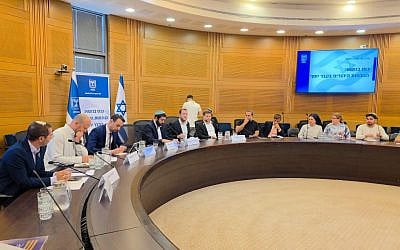
At a special conference held in the Knesset, attended by ministers, members of Knesset, senior security officials, rabbis, representatives and activists of Joseph’s Tomb, practical plans were presented to restore Israeli sovereignty over the historic site. Chairman of the Knesset Lobby, Nachi Weiss, declared: “We are closer than ever to returning to Shechem.”
For over two decades, the “Return to Yosef” lobby—established by the organization Jews United—has been working to rekindle the Jewish people’s connection to the Tomb of Joseph in Shechem and to spread the legacy and values of the Biblical Joseph to the public in Israel and around the world. Since the events of October 7, the initiative has gained significant momentum. In recent months, a partnership was formed with ministers and Knesset members, who urged MK Tzvi Sukkot to bring the issue to the Knesset floor with the goal of launching a practical and immediate return to Joseph’s Tomb.
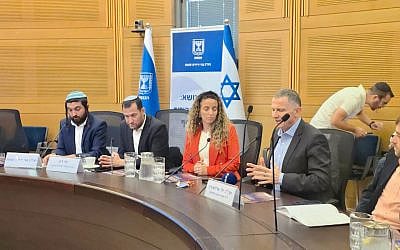
During the Knesset conference yesterday, legal, security, and strategic operational plans were presented with the aim of reestablishing Israeli control over the site. Among the key supporters of this move are Knesset Speaker Amir Ohana, Finance Minister Bezalel Smotrich, Foreign Affairs and Defense Committee Chairman MK Yuli Edelstein, and Minister Idit Silman. They emphasized that Israel cannot afford to leave Joseph’s Tomb as “the backyard of the country,” and that returning to the site represents the fulfillment of a dream, strong leadership, and loyalty to Jewish identity.
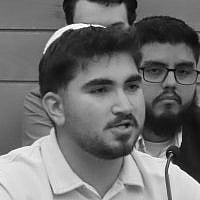
Nachi Weiss, chairman of the Knesset lobby, stated:
“Lacking a foothold at Joseph’s Tomb does not ease the security situation it does the opposite. Terror intensifies in Shechem in the absence of a Jewish presence, and the nations of the world see us abandoning one of the most historically rooted Jewish heritage sites. This results in their disdain and leaves us like a branch that cannot grow without roots. After many years of effort, we are now seeing real results, and it appears we are closer than ever to returning to Shechem.”
He added, “It is important to note that those promoting this initiative are not only religious Jews, but also Jews from across the spectrum, who view Joseph as a universal Jewish role model of connection and a light unto the nations.”
Among the supporters of the proposed plan are former IDF Central Command Chief Uzi Dayan and Brigadier General (res.) Amir Avivi, Chairman of the ISDF– Israel Defense and Security Forum. Both confirmed the plan’s feasibility from a security standpoint and emphasized its strategic importance for Israel’s national interest.
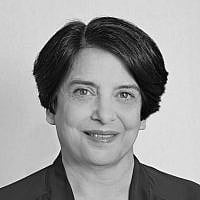
Following the conference, the lobby team—headed by Project Director Fayga Marks—plans to continue promoting discussions in relevant Knesset committees, including with the Ministries of Defense and Justice. The goal is to advance a binding government decision to reinstate Israeli sovereignty over Joseph’s Tomb in the near future.
In the coming weeks, field meetings are expected to take place with security officials to coordinate practical arrangements for securing pilgrimage access and developing infrastructure at the site. A public campaign will also be launched to mobilize support among the broader Israeli public and Jewish communities worldwide for a tangible return to Shechem.
Leaders of the initiative emphasized that this move is a symbol of the enduring Israeli spirit—to return to our roots and physically establish the Jewish people’s heritage in the land itself.