Campus Censorship and the Growing Antisemitism
Why zoom in on one particular story happening at one university in Poland?
Because what happened to Samuel Maruszewski is not just happening to Samuel. It is one and the same story, with different variables, unfolding at universities across the globe.
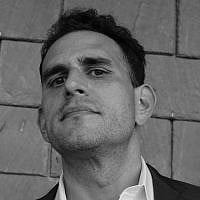
Samuel, a fourth-year doctoral candidate in philosophy at the University of Wrocław, discovered a Facebook post from the University Press promoting a book about Carl Schmitt. The post presented Schmitt as an intriguing jurist whose ideas continue to invite new interpretations.
What it failed to mention was that Schmitt was an antisemite, a member of the Nazi Party, and one of the Third Reich’s most prominent jurists. He supported Hitler’s regime and participated in the effort to “de-Judaize” German law.
Samuel challenged this omission publicly. He described the promotional language as sanitized and accused the Press of “whitewashing Nazism.” His comments were strong, but they were based on documented historical facts.
The University could have responded with an explanation, corrected the post, or opened the matter for academic debate. Instead, Samuel’s comments were hidden, and disciplinary proceedings were initiated to determine whether he had violated the “dignity of a doctoral candidate” by allegedly defaming the University Press.
The University argues that Samuel should have expressed his criticism through a formal academic review rather than on social media. But the University itself chose social media to promote the book. Why should Samuel not have the right to respond on that same public platform?
Professor Tomasz Tadeusz Koncewicz, a constitutional-law scholar at the University of Gdańsk and Samuel’s defense counsel, argues that Samuel’s conduct did not violate the dignity of a doctoral candidate. It exemplified it. Samuel acted with respect for historical truth, intellectual courage, and a willingness to question his own institution.
Is that not precisely what a student should be doing?
A university is meant to be a place where academic discourse and debate can happen. It should provide students with the space to research, write, develop their opinions, challenge ideas, and participate in healthy discussion. Intellectual honesty should be encouraged—not manipulated, distorted, or punished.
Yet Samuel is one of many students being censored or disciplined for doing exactly what they should be doing: asking questions, presenting research, expressing an opinion, and pushing back against intellectual dishonesty.
These students are not only being denied freedom of expression. They are being denied the proper education and intellectual platform that a university is supposed to provide.
This pattern has become especially visible in discussions involving Israel, Zionism, and antisemitism. Legitimate criticism of Israeli policies must remain protected. But too often, that criticism has crossed into the demonization of Israel, the glorification of terrorism, and the intimidation or exclusion of Jewish and Zionist students.
Samuel’s case is not directly about Israel, but it reflects the same troubling double standard. A university institution omitted essential information about an antisemitic Nazi jurist and then pursued the student who challenged that omission. Once again, the person pushing back against intellectual dishonesty became the problem.
Samuel’s story represents many others. The countries, universities, and circumstances may change, but the pattern remains the same.
We have a moral obligation to amplify these stories, bring the actions of universities into public view, and confront the intellectual dishonesty and intellectual bullying directed at those who challenge promoted ideas.
Universities should educate students, not intimidate them into conformity. When they silence intellectual honesty or allow antisemitism to grow unchallenged, none of us can afford to remain silent.