
‘Can I touch your fork?’
Small, thin, with her hair in a long black braid, the young server couldn’t have been more than 19 or 20 years old. She worked for a local caterer based in northern Italy, near Venice and it was her job to distribute the kosher meals that had been prepared for the five Jews who were guests at a destination wedding.
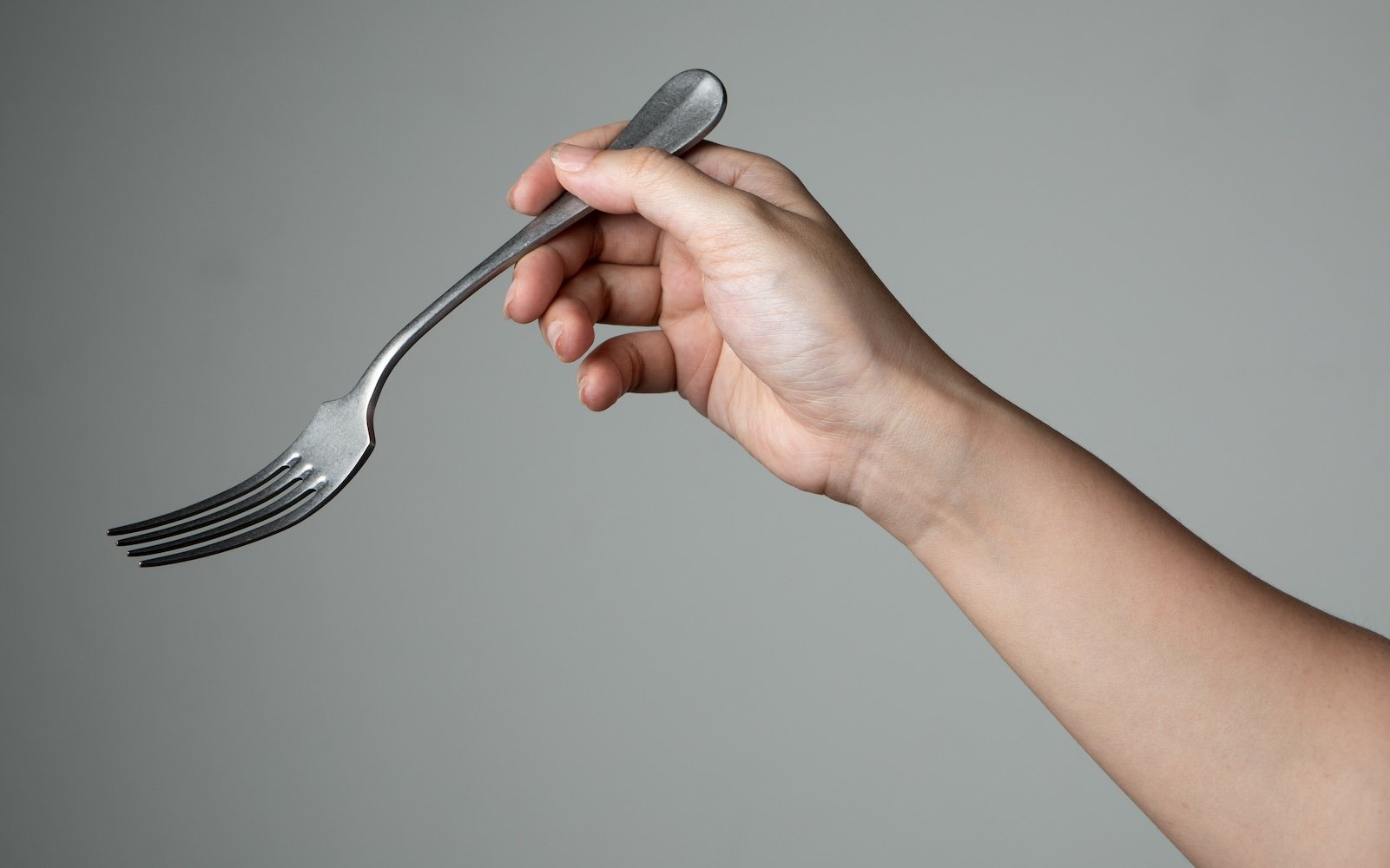
When the young server approached me, I acknowledged that I was one of those eating the pre-prepared kosher meal and I asked if she could place the kosher food on a dinner plate. The server looked at me in shocked surprise. “I can slide the meal onto a plate,” she said. “But if I do that, I will have to use the cutlery. Are you sure that I can touch your fork?”
My reassurance was to no avail. Clearly, this server had experience with Jewish people who ordered kosher meals and she was adamant that as a non-Jew she was forbidden not only to touch my food, but neither could she touch the accompanying fork, knife or spoon.
As a rabbi, it’s my job to know about kosher laws. In fact, I studied commercial kosher practices under the mentorship of a trained mashgiach. Later I organized and maintained a kosher kitchen in a large Jewish retirement community. I understand the complicated history of an ancient kosher law called “bishul akum“, which addresses food cooked by a non-Jewish person. There are prohibitions surrounding this law, enacted specifically to limit the chances of intermarriage! That’s right. The original basis for “bishul akum” had little to do with the stomach but a great deal to do with the heart!
Unfortunately, this prejudice exists today, and I experienced it firsthand in my interaction with the young server. Along the way, she had been terrorized by some of our fellow Jews who had her believing that if she touched even a fork that I, as a Jew, was about to use, she had somehow spoiled the food, turning it to treif.
In a recent post published in the online journal, “Halachically Speaking” (vol 6), several rabbis address the issue in an article whose title gives one pause: “Food in the Hands of a Non-Jew.” The rabbis explain that regarding food that is made off premises and sent to a restaurant or, in my case, a catered event, if that food is carried in the hands of a non-Jew, a seal is required. Why? The rabbis say to ensure that the non-Jewish staff persons have not exchanged a kosher item for a non-kosher one.
Yes, I know that the ancient kosher law has been adapted, and today there are accepted leniencies such as having a Jewish person fire up the stove or stir the pot, but I think you get my point. When kosher laws, or rabbinical interpretation of those laws, create anxiety and fear on the part of our non-Jewish brothers and sisters, isn’t it time to look at ourselves? Have we Jews inadvertently played a part in society’s negative attitudes toward us – attitudes that could morph into antisemitic behavior? It may seem insignificant juxtaposed against diplomatic, political or educational considerations, but to foster inclusivity and friendship between Jews and non-Jews, I found it important to say to the server, “Please understand. It‘s OK if you touch my fork.”