


Can Israel Still Count on America as It Once Did
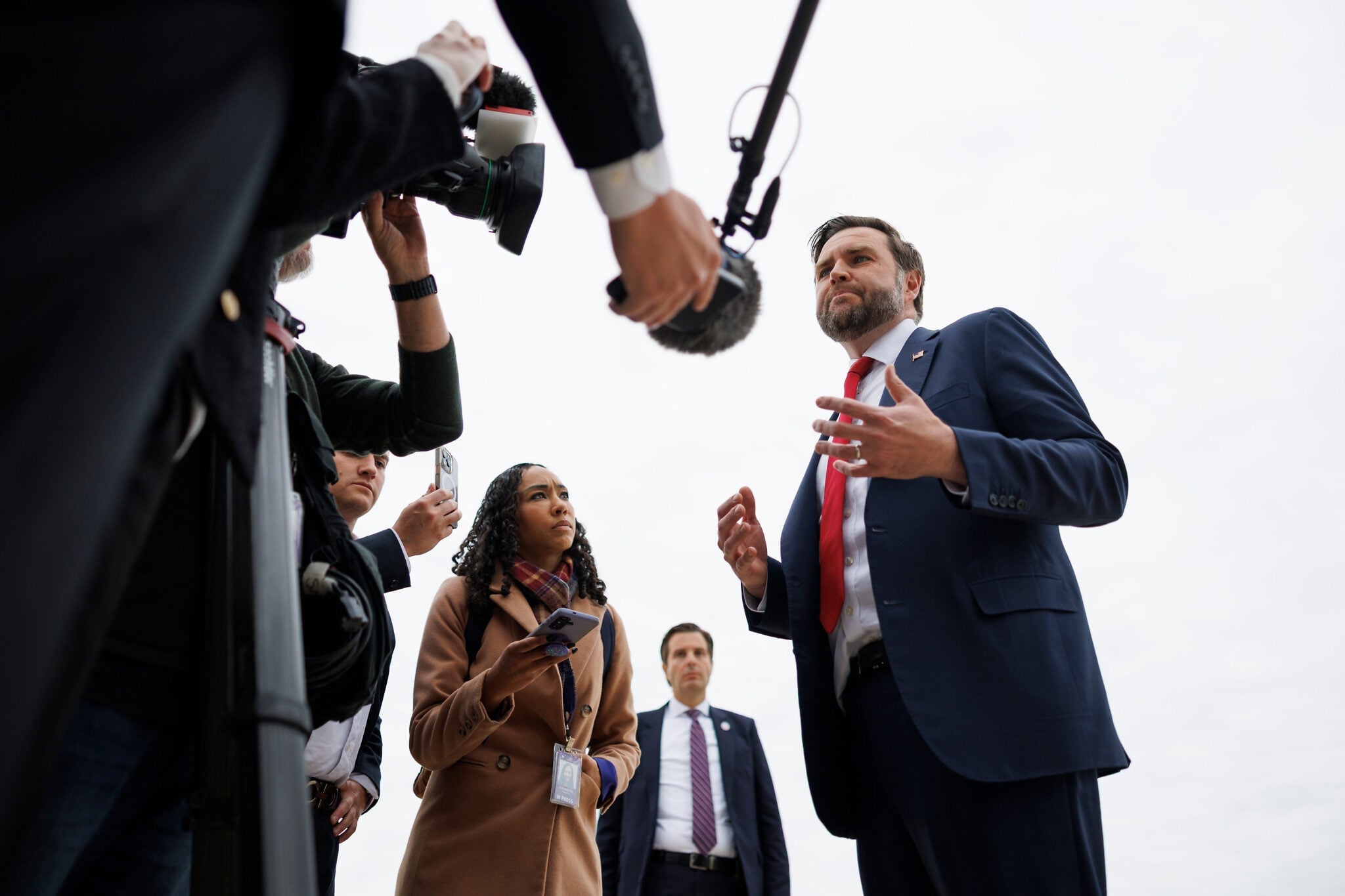
The day after the November 3 midterms, JD Vance summed up the Republican defeat in one sentence: “The reason we lost is the war.” Donald Trump acknowledged that the war with Iran had hurt his party at the polls, though he said he would make the same decision again. Inflation and the cost of living mattered too. But from Israel’s point of view, the most important part of Vance’s message came elsewhere. Among the reasons he gave for voters switching to the Democrats was a desire to change America’s relationship with Israel.
Vance stopped short of holding Israel responsible for the defeat. What he did was put the relationship with Israel among the issues Republicans should rethink if they want those voters back. The distinction matters. An American voter can want the war with Iran to end and still care about Israel’s security. That voter may also believe that, in this particular war, the two countries’ interests have come apart. For someone watching gasoline prices rise, the question becomes very practical. What does America stand to gain by keeping this war going?
That question goes beyond one election. In April, the Pew Research Center found that six in ten Americans held an unfavorable view of Israel. The shift was particularly marked among younger Americans and also reached Republicans under 50. The poll tells us how Americans view Israel. Vance was offering his own explanation of how some of them voted. Taken together, they help explain why the debate over the alliance can now cut across party lines. Pew Research Center
Does this mean that American strategy has already changed? The first shift is in the public statements made by politicians. Decisions on military assistance, any conditions tied to it, and the diplomatic help Washington provides in the next crisis will make it more evident whether it affects foreign policy. Realpolitik enters the picture now. While asking, case by case, what the alliance achieves for the United States and how far America is willing to go, Washington can still see value in the partnership.
Waiting for their responses before expanding its diplomatic efforts could be a danger for Israel. The question raised by Vance goes beyond the fate of the Trump administration. How much room will Israel have to act on the day Washington, still its ally, tells it that on a decisive issue the two countries have different priorities?