CANCELLED: It’s UnAustralian
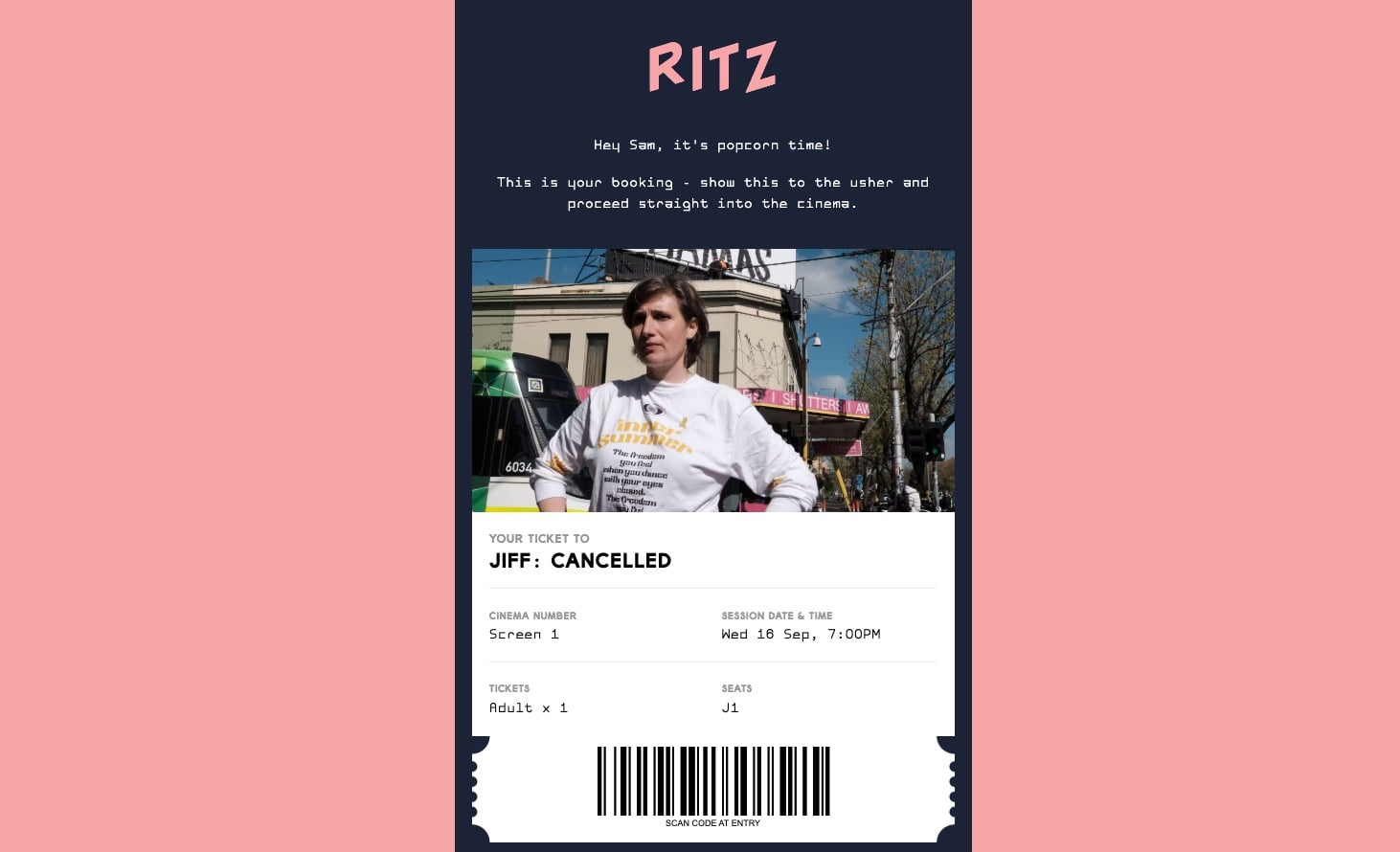
Everything changed in just one day. …The harassment and bullying and cancellation started. (Sanadze)
Earlier this month I attended the launch of the JIFF (Jewish Industry Film Festival), with a screening of Cancelled at the Ritz Cinema in Randwick, Sydney, Australia. It was screened the following day in Melbourne.
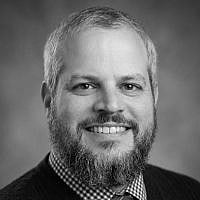
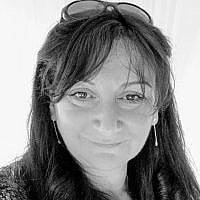
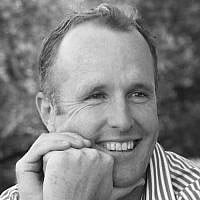
This locally produced 90-minute film documents the experiences of musician Deborah Conway, visual artist Nina Sanadze, writer Joshua Dabelstein, and circus artist Talia Sofizade in Australia following October 7.
The film portrays the experiences of these four, reflecting a wider challenge confronting Jewish communities across many Western democracies.
Director and award-winning Jewish filmmaker Danny Ben-Moshe sent a rough cut of the film to the Australian Broadcasting Corporation (ABC) on the morning of December 15th.[1] On a beautiful Sunday afternoon the day before, 15 people were murdered in cold blood, including 13 Jews, one of whom was a 10-year-old girl, Matilda. The film, as screened, culminates in heart-breaking and terrifying footage of the Bondi Beach terror attack.
Australia’s public broadcasters and several leading film festivals are reported as declining the opportunity to screen or commission the documentary.[1,2]
Cancelled is ostensibly a documentary about the many aspects of Jew hatred in Australia, with a focus on Jewish creatives working in the arts sector. However, the one aspect that kept coming through strongly for me was the psychological and emotional mechanism of dehumanisation—the militant and absolutist assignment of collective judgement and guilt and the erasure of the individual.
The film’s power lies in its reversal of this dehumanisation.
We get a sense of the four subjects’ hopes, aspirations and contributions to Australian society. We also feel their grief, fear, and distress—along with the residual pain and damage.
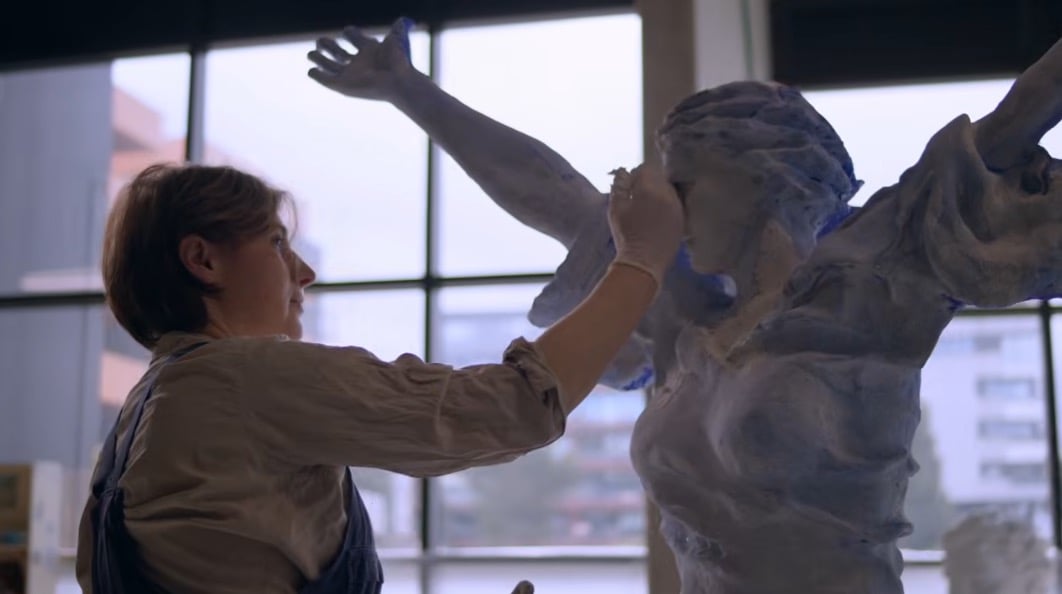
We see footage of Sanadze adding finishing touches to a wonderful sculpture in a Melbourne studio, and her excitement as she prepares for her first major gallery showing in late 2023. All of this changes radically overnight, triggered by events on the other side of the globe. We then follow her extraordinary grace, resilience and creative initiative in the face of appalling unfairness and threats.
We get a dose of the creative, effervescent force that defines Conway. From her song ‘It’s Only The Beginning’ three-plus decades ago to performing on stage today. Her talent, humour and love of Australia, along with her nuanced commentary since October 7, make me proud to be Australian. Standing in front of a large graffiti slogan calling for deadly violence in a so-called cultural precinct of Melbourne, Conway candidly remarks, “Jewish Australians are unsure about their future in Australia.”
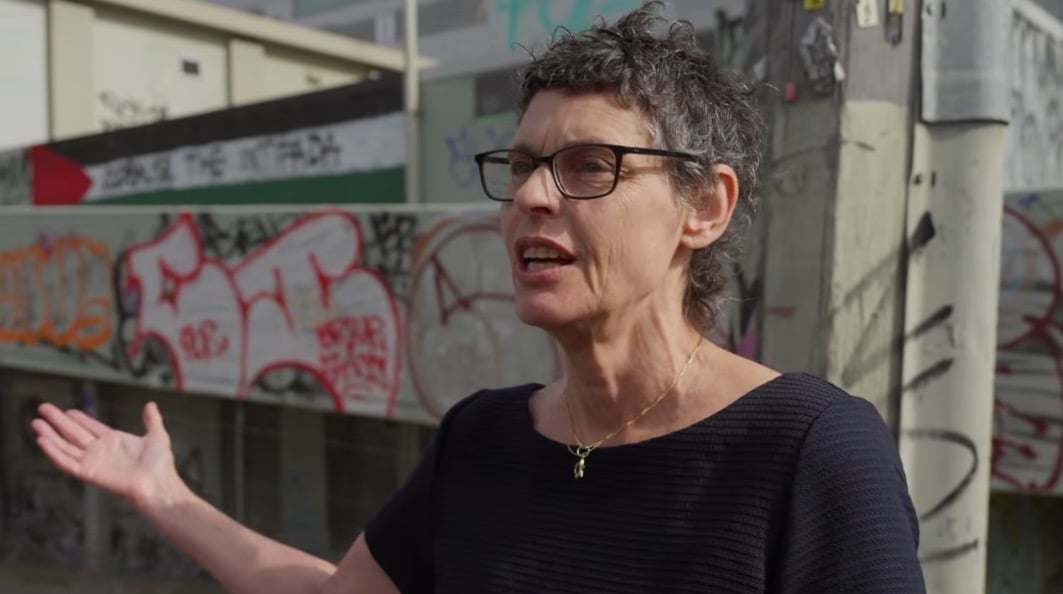
They’re wishing for people to rise up and murder their fellow Australians. (Conway)
Willy Zygier praises his wife, Conway’s undeniable bravery and strength, but also describes how hate and exclusion have taken their toll. He also made a comment that had me shaking my head again: “I’m glad my parents (Holocaust survivors) aren’t alive to witness this wave of antisemitism in Australia.” I understood Zygier to be emphasising how terrifying and painful it would understandably be for his parents.
Dabelstein and Sofizade likewise described firsthand their deeply traumatic and unjust treatment for no other reason than being Jewish. No person, Australian or otherwise, should ever have to contemplate, let alone experience, such hate and prejudice.
Watching this film, we cannot but find ourselves walking a mile in the shoes of these fellow Australians, who are Jewish. Seeing the shadow cast is heartbreaking.
In one scene, an older ‘Aussie’ delivers a skip bin of burnt materials salvaged from the firebombed Adass Israel Synagogue, which Sanadze intended to use in a display. Visibly emotional, he remarks with a hint of sadness and disgust, ‘It’s totally unAustralian.’
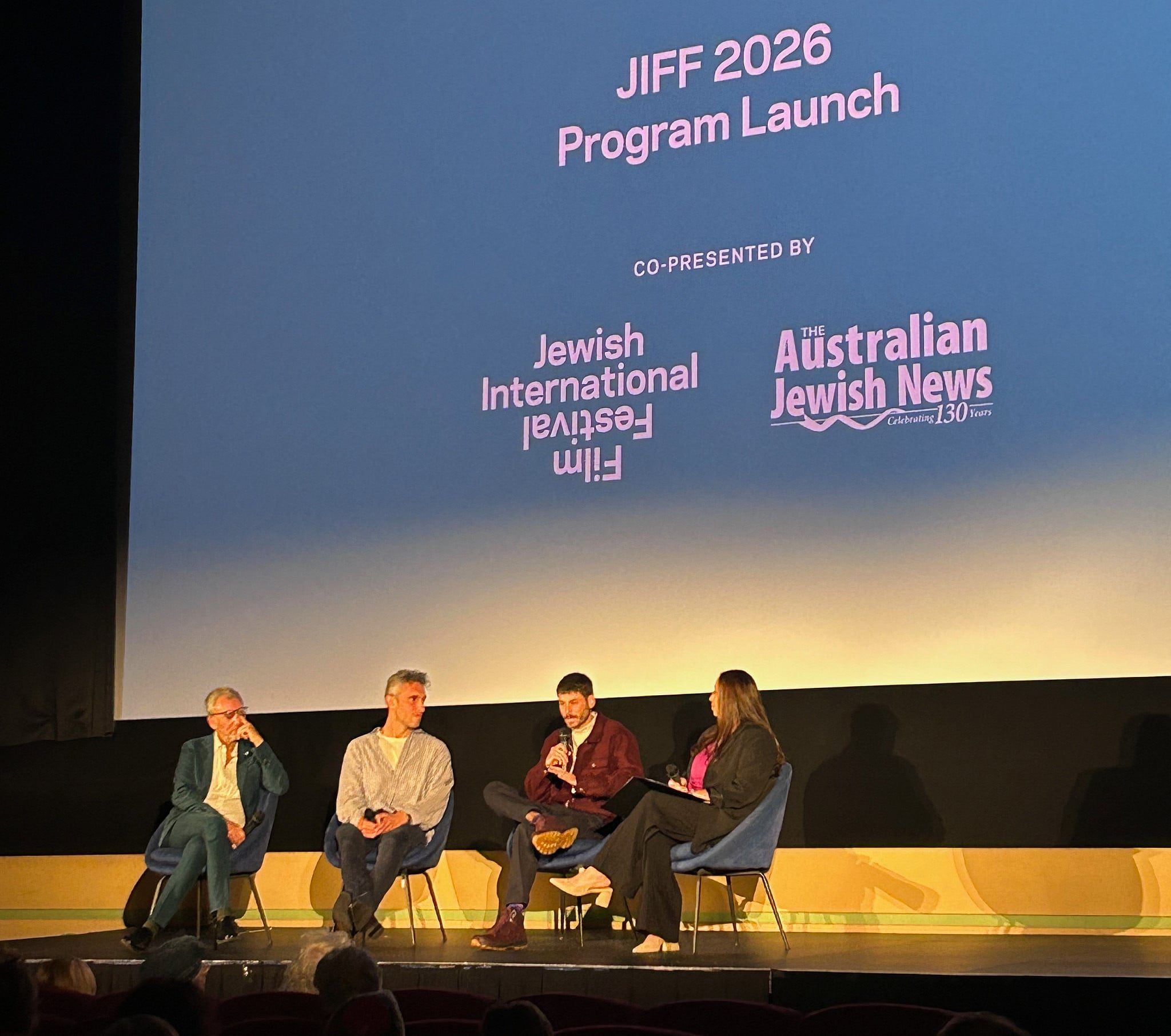
The screening was followed by a panel discussion with Ben-Moshe, Dabelstein, producer Jamie Bialkower, chaired by Jessica Abelsohn. It was forthright and enlightening, adding depth to the stories that had thankfully made it on screen. In a deeply moving moment of reflection, Dabelstein shared some of his hurt: an inability to unfeel and unsee what he has experienced as a person non grata for no other reason than being Jewish.
It felt like my voice had been taken because I’m Jewish. (Dabelstein)
In this context, what makes Cancelled powerful and important is not merely that it bears witness to hate and prejudice. It restores individuality where collective judgement and silence have erased it. At a time when people are increasingly judged based on identity, that may be the film’s most important contribution.
I was inspired by, and applaud, the panel’s concluding emphasis on how beautiful, creative, expressive, and artistic our Jewish fellow Australians are
Wherever you are from, whatever your faith, politics, culture, or colour, Cancelled is an important documentary. The film will be showing in Melbourne, Sydney and Perth at JIFF https://www.jiff.com.au/films/
1. Danny Ben-Moshe, as stated in person at the screening
2. Danny Ben-Moshe, as reported in The Australian, JNS and The Australian Today