


Choosing Between Glory and Disaster: Netanyahu’s Opportunity of a Lifetime
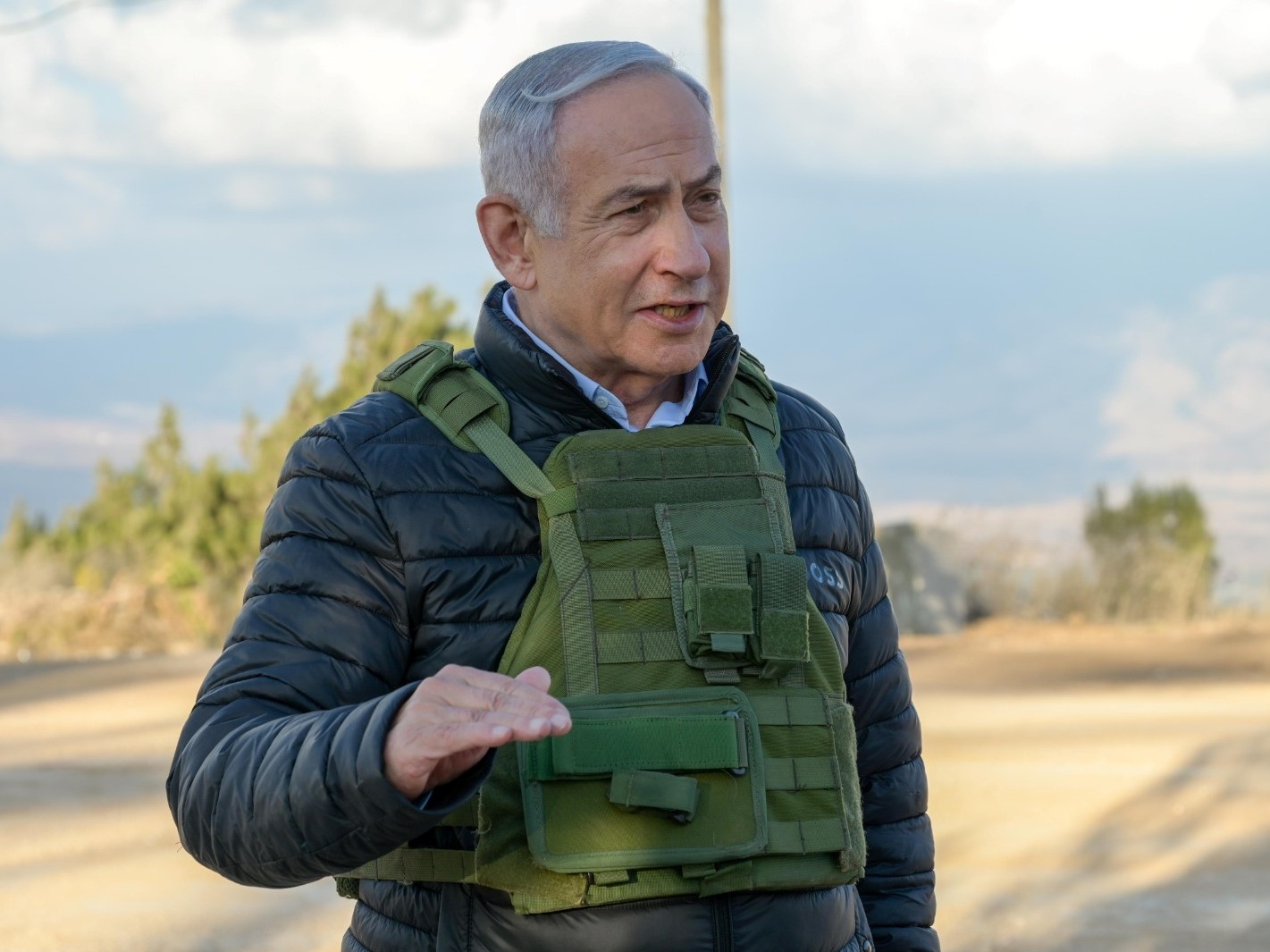
The campaign against Iran has created a rare window of opportunity for the Prime Minister. There is a chance to bring about historic change: to end the war in Gaza, expand the Abraham Accords, rebuild the economy, and restore international support. But will he choose the path of course correction, or once again give in to the fears and destructive forces that have long guided his decisions?
In the aftermath of the brief but dramatic war with Iran (perhaps “campaign” is a more fitting term, as it’s unclear how many chapters remain), Prime Minister Benjamin Netanyahu faces what may be the opportunity of a lifetime. A rare, perhaps once-in-a-generation moment to reverse a course of his own making, one that has led to division and crisis, and instead steer the country toward repair.
Recent events show that Netanyahu now holds a rare advantage, created by current circumstances: the chance to end the war in Gaza, expand the Abraham Accords, and sign new peace deals that could bring billions into the Israeli economy. It’s an opportunity to reduce the large deficit he helped create and usher in a period of security, stability, and economic growth.
Despite the lingering euphoria in much of the security and political establishment, and the loud declarations from former U.S. President Donald Trump and his allies, it’s important to stay grounded in reality. The fact is, Iran still holds significant amounts of enriched uranium that could eventually be used to build nuclear warheads. They also have vast missile stockpiles. Meanwhile, Israel’s economy is in poor shape, with a deficit that threatens the financial future of the next generation. Social tensions have already crossed a dangerous line, and Israel is rapidly losing support among citizens of the Western world, to the point where it could pose a serious, even existential, threat.
Think about where we’ll be in five, six, or ten years—when the young, progressive generation in the U.S. comes to power, and Israel is left isolated. This outcome is the product of criminal neglect in the realm of public diplomacy, government policies that have alienated moderate allies while empowering extremists, and the prolonged war in Gaza. During this war, Netanyahu squandered unprecedented international goodwill and turned it into growing hostility.
Now, in the lull between battles, it’s clear to everyone that there’s no reason not to end the war in Gaza. If Israel could reach a ceasefire with Hezbollah and even with Iran, it’s obvious to any reasonable observer that Hamas no longer poses a real threat. The emerging agreement leaves Israel with strategic room to manoeuvre. Bringing the hostages home is not only a moral duty—it’s a social necessity, and a vital step toward national recovery.
Ending the war in Gaza would give Israel the chance, backed by broad international support and driven by Trump’s desire to be seen as a peacemaker and Nobel contender, to expand the Abraham Accords. It could bring more countries into the circle of peace and open the door to economic cooperation agreements that would help the government address the massive deficit it created.
Any average leader would have seized this opportunity without hesitation. After all, what is there to lose? Israel has no realistic way to control Gaza without sacrificing the lives of hundreds of soldiers, the economic burden is overwhelming, and there’s no meaningful gain. On top of that, in the current climate, it’s likely possible to sign peace agreements even without formally creating a Palestinian state, just by initiating a process that might eventually lead to one being established on parts of the Palestinian Authority’s territory.
Netanyahu could take this step right now—and it’s precisely what’s required of him at this moment. After that, he can pursue a plea deal, or accept a pardon with disgrace, and step away from political life, awaiting the inevitable commission of inquiry into the failures of October 7th. One way or another, that commission will be formed.
Will He Seize the Opportunity – Or Miss It as Usual?
So, what will Netanyahu do? Will he seize the moment, or, as usual, miss it through delays and evasions? Recent days suggest that Netanyahu, being Netanyahu, simply can’t bring himself to make the right choice. Instead of rising to the occasion, he continues to fight the judicial system, involving the U.S. President (!). He rallies his loyalists in the coalition to push a bizarre narrative: that his trial is somehow preventing him from making sound decisions.
But let’s be clear. First, he was the one who insisted he could govern while standing trial. Second, this argument is as outrageous as it is shameful. It suggests he’s holding the country hostage, deliberately endangering lives and abandoning the hostages, all to escape a criminal conviction he seemingly believes can still be undone.
Why does he do this? Because he’s captive to the messianic fringe of religious Zionism—a group of zealots crying for redemption while the country is still bleeding. Netanyahu knows the truth: no matter how loudly he shouts “Iran,” no matter how many “victories” he declares, the stain won’t be erased. October 7th won’t be forgotten, despite what his confidant Natan Eshel claimed. It’s like burning down the house to hide a stain on the wall.
So, I appeal to his better judgment—if not his heart, then at least his mind: Bibi, let go. This is the only redemption left to you—before the whole house goes up in flames, with all of us inside.
The writer is a businessman and political consultant, and served as Director General of the Prime Minister’s Office during Prime Minister Yitzhak Rabin’s second term.