CONIB, Fisesp Discuss Terrorism and Violence at São Paulo Court of Justice
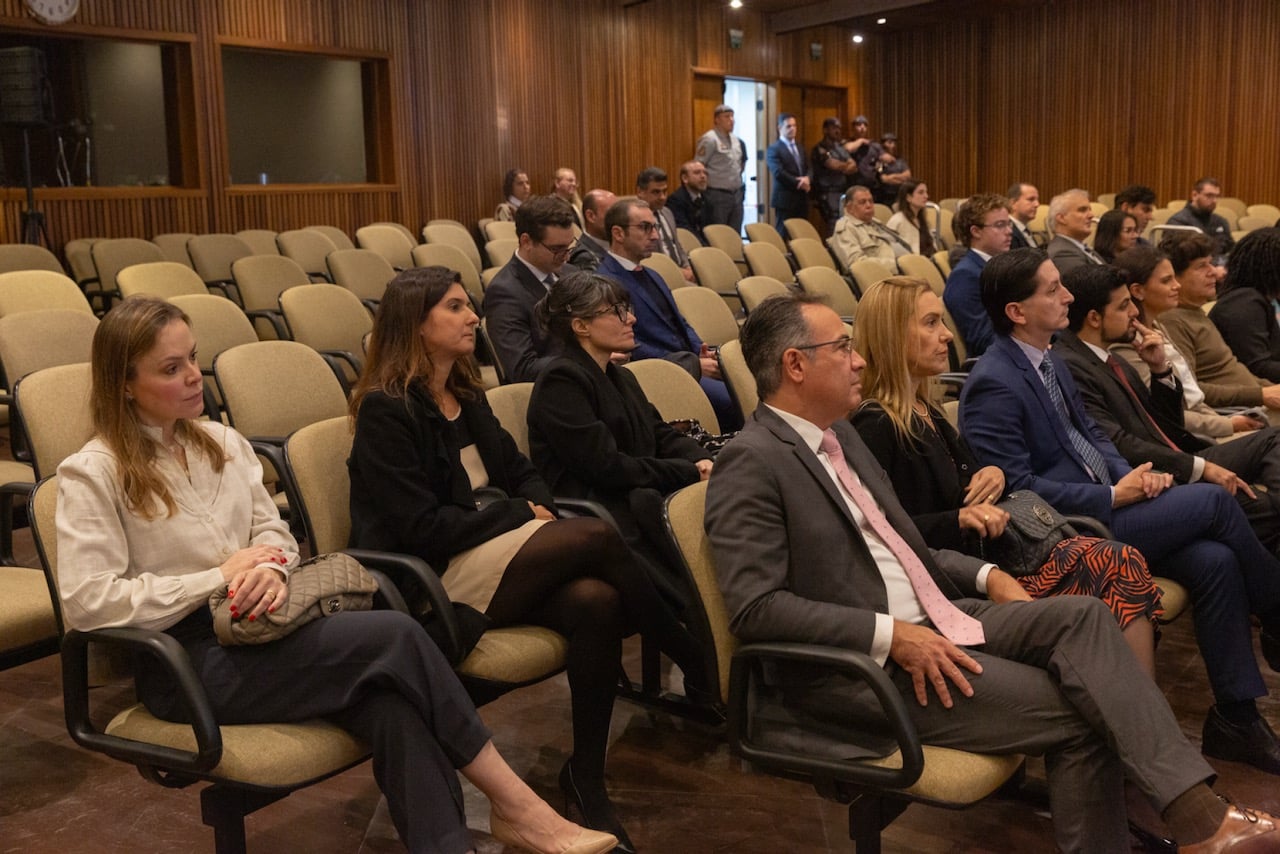
The Brazilian Israelite Confederation (CONIB) and the São Paulo Israelite Federation (Fisesp), in partnership with the Paulista School of Magistrates (EPM) and the Higher School of the São Paulo Public Prosecutor’s Office (ESMP), organized the course “Terrorism and Extreme Violence: Challenges for Criminal Justice”, held on Friday, August 11, at the Barra Funda Courthouse.
The initiative brought together judges, members of the Public Prosecutor’s Office, experts, and civil society representatives to address a challenge that transcends institutional boundaries: understanding new forms of violence and building more prepared, coordinated, and effective responses to confront them.
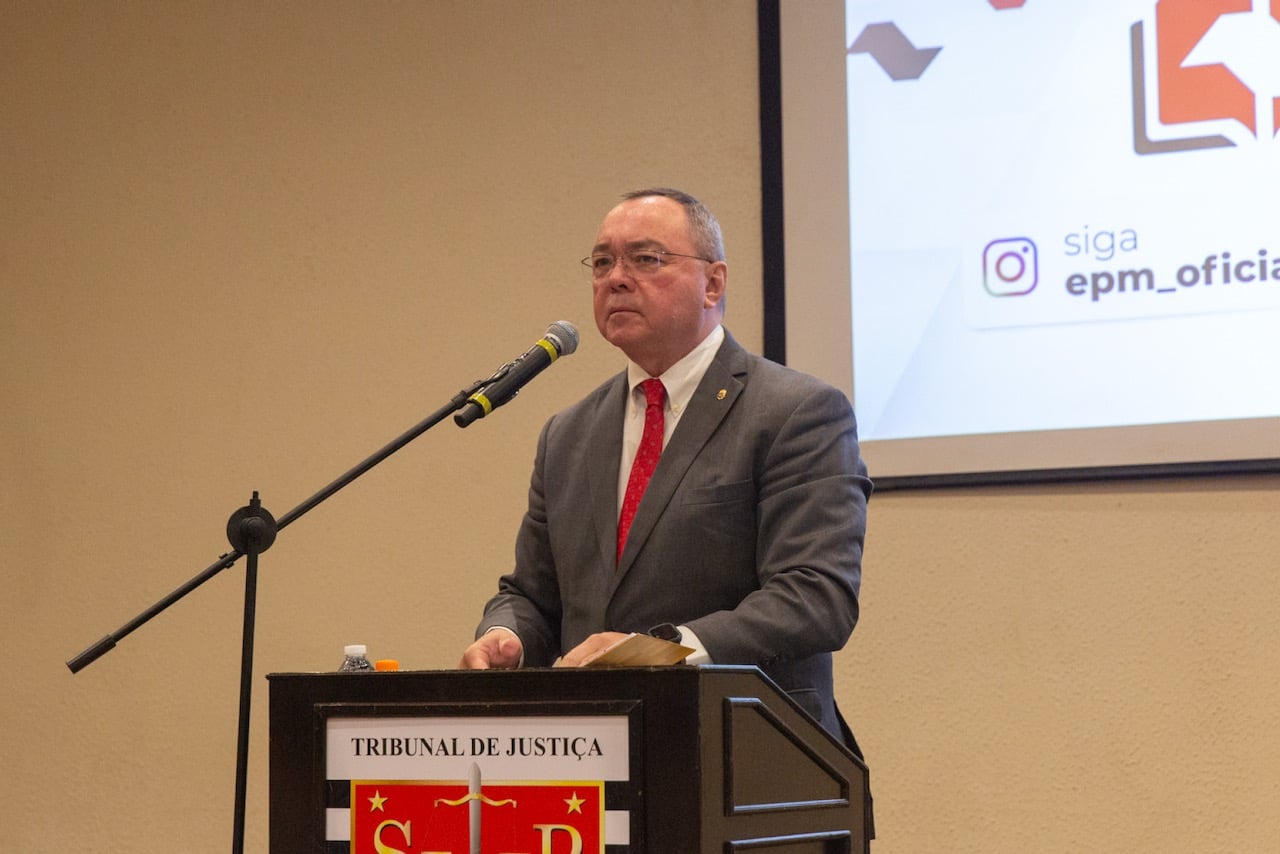
Opening the event, EPM director Justice Ricardo Cunha Chimenti emphasized that, in the current climate of intolerance and persecution, knowledge-sharing and institutional cooperation are essential.
Representing CONIB, its legal director Andrea Vainer stressed that combating hatred cannot be seen as an issue limited to a single community:
“Hatred is a symptom of a sick society,” she stated.
She further noted that antisemitism can serve as a gateway to broader radicalization processes, making it crucial to recognize its signs and manifestations. This principle underpins CONIB’s mission: fighting antisemitism also means contributing to a safer, more democratic society protected against all forms of intolerance.
Fisesp representative Evane Beiguelman Kramer highlighted the importance of bringing this discussion to the Judiciary, noting that tackling violence requires joint institutional action. Similarly, ESMP director Justice Tatiana Viggiani Bicudo underscored the need for cooperation among government schools and continuous training for justice system professionals, especially given the rise in hate crimes and the speed at which extremist content spreads on social media.
José Damião Pinheiro Machado Cogan, the senior justice of the São Paulo Court of Justice, drew attention to the increasing sophistication of terrorism and the challenges it poses to security forces and the justice system:
“Terrorism has become more sophisticated, and we need to study these issues thoroughly to provide immediate responses,” he said.
Luis Francisco Aguilar Cortez, vice president of the TJSP, emphasized the role of EPM in fostering reflections that can lead to more appropriate responses to society’s emerging problems.
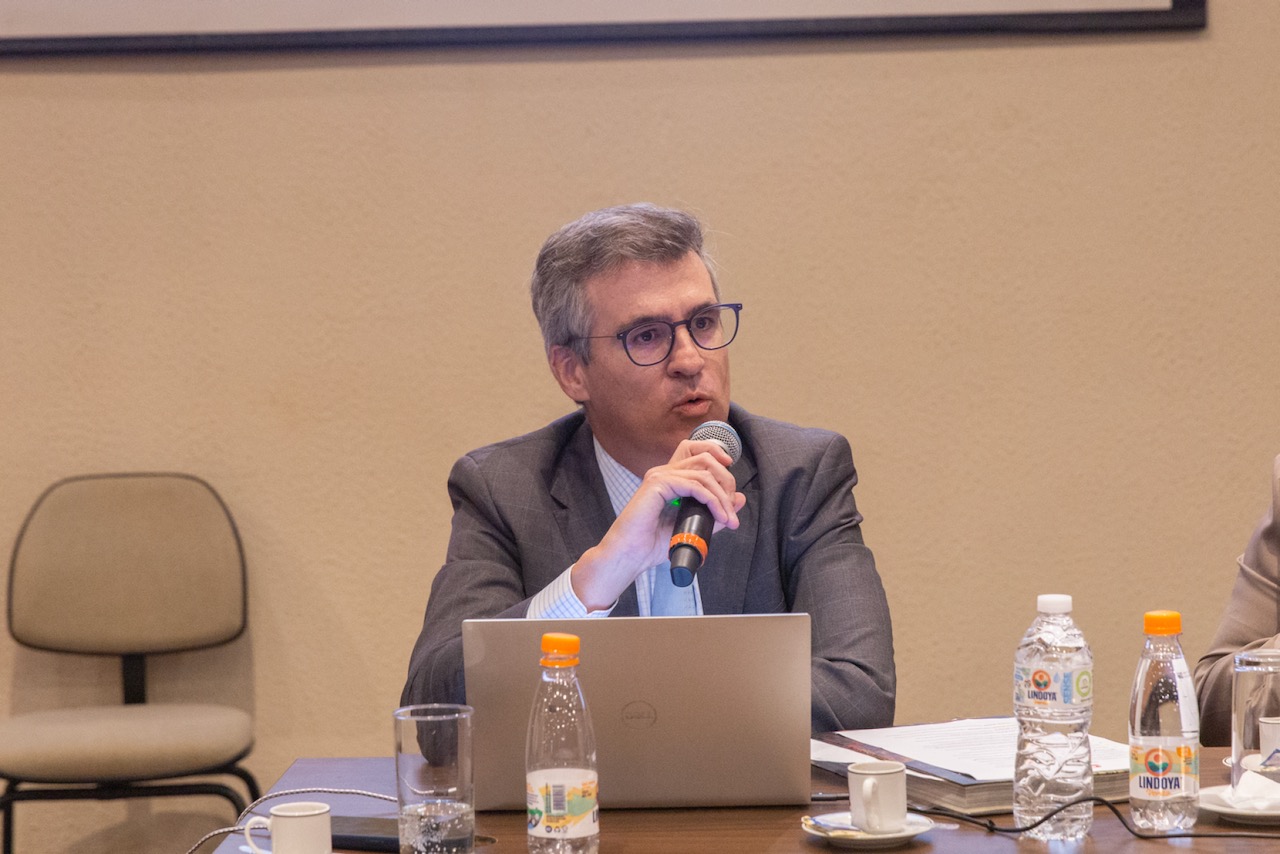
The presentations offered diverse perspectives on the same challenge. Professor Marcos Koren examined links between organized crime and terrorism in Brazil; Michele Prado, advisor to the Extreme Violence Prevention Unit of the Rio Grande do Sul Public Prosecutor’s Office, addressed extremist ideology; and Judge Luis Fernando Decoussau Machado, advisor to the Dean’s Office, discussed hate crimes and their consequences.
Other participants included Judge Alexandre Pereira da Silva, advisor to the General Judicial Inspectorate; CONIB’s executive director Sergio Napchan; Fisesp’s legal director Luna Harari; and Justice Prosecutor Natália Rosalem Cardoso, member of the Special Group for Combating Racial Crimes and Intolerance of the São Paulo Public Prosecutor’s Office.