Costume Changes
It’s the season of pumpkins and, for many with children, the rituals of Halloween. Children in costume, and sometimes adults in costume as well, will be taking part in holiday parades and perhaps some “trick or treat” events. In my neighborhood, with many young families, we enjoy opening our door, seeing the excitement of the youngsters, and handing out treats.
There are times when I have no idea what character the costume represents, and the kids, or the parents standing behind them, are happy to tell me. And then there are the costumes that, frankly, give me pause. Those are the children who are dressed like elderly people, who look a bit disheveled under the gray frizzy wigs and who appear bent over or struggling to walk. While I am sure that no harm is meant, the stereotypes are misleading, ageist and, frankly, just plain wrong.
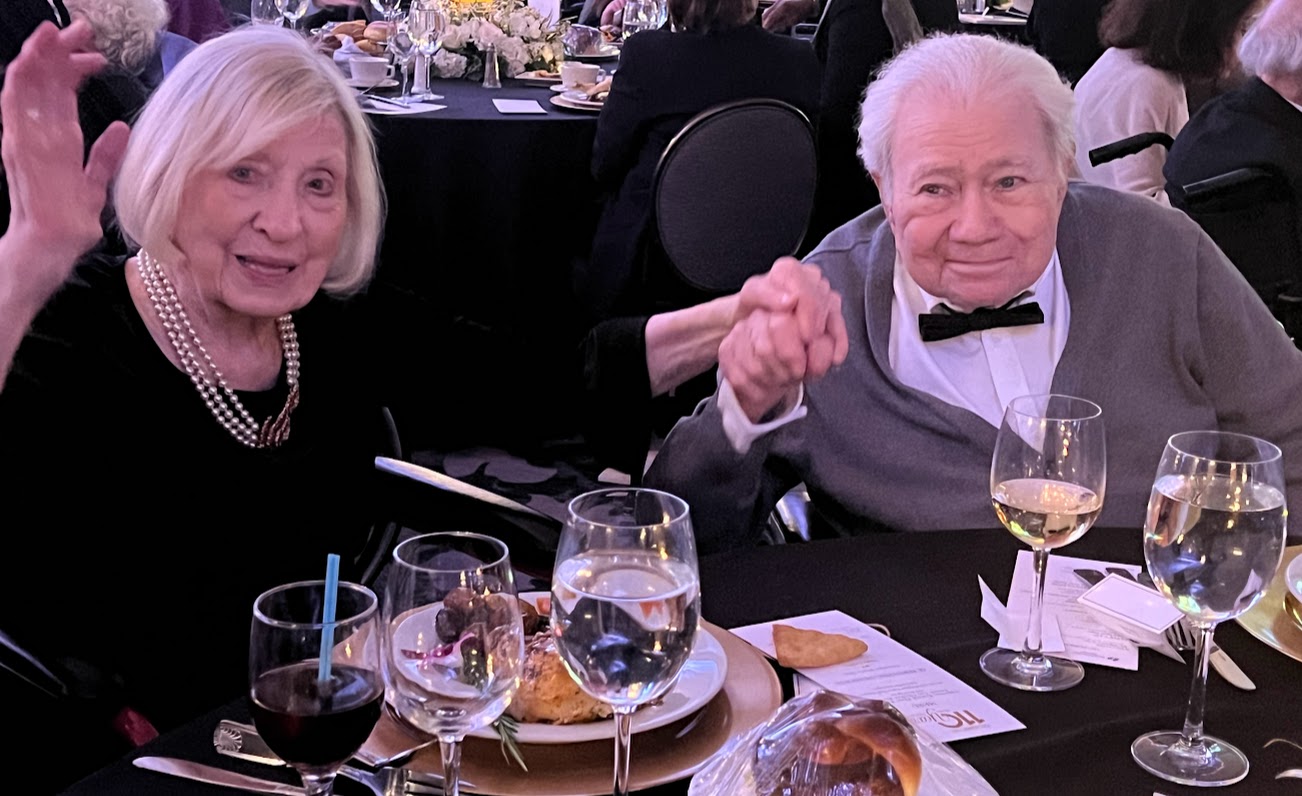
What do I see in the world of older adult services? I see people who are engaged and active, regardless of their age or stage, ability or disability. I see people whose intellectual curiosity is unabated and their desire to do new things and learn new things continues. I see people who have an opportunity to share memories and wisdom, enriching the lives of the people around them.
The elders that we connect with and care for are people who are open to new experiences and they are people who live with us because they need care and/or support. We have taken trips to Israel and done everything a younger group would do on a Mission trip. We have climbed Masada, floated in the Dead Sea, prayed at the Kotel, and so much more. Closer to home, we have been to Broadway shows, boat rides on the Hudson, and Major League baseball games. Just this week we took a large group to the zoo, and we have a crowd so big for the New York City “Celebrate Israel” parade that we need to charter a bus.
It is not just children who carry these misperceptions. Many adults think of elders as incapacitated, cognitively limited, and unable to contribute in any meaningful way. That is not just inaccurate, it is wrong, and it reflects a bias that has no place in our society.
You can be an agent for change by not perpetuating baseless and hurtful stereotypes. What you can do, and what you must do, is to imagine yourself in that life, think about how you might feel, what might matter to you, and how you would like to be perceived and interacted with and cared for.
We can do better. We can improve the lives of elders but giving them the credibility and respect they so richly deserve. Put the mask and costume on if you must but take the blinders off of your eyes.