Counting and Caring: Pinchas and America’s 250th
Renowned Holocaust survivor and Nobel laureate Elie Wiesel, of blessed memory, famously stated, “The opposite of love is not hate; it’s indifference. The opposite of art is not ugliness; it’s indifference. The opposite of faith is not heresy; it’s indifference. And the opposite of life is not death; it’s indifference.”
Indifference or the failure to care is often the first step in the decline of a society. Healthy nations are sustained not only by the freedoms they guarantee, but by citizens who care about one another and invest themselves in the common good.
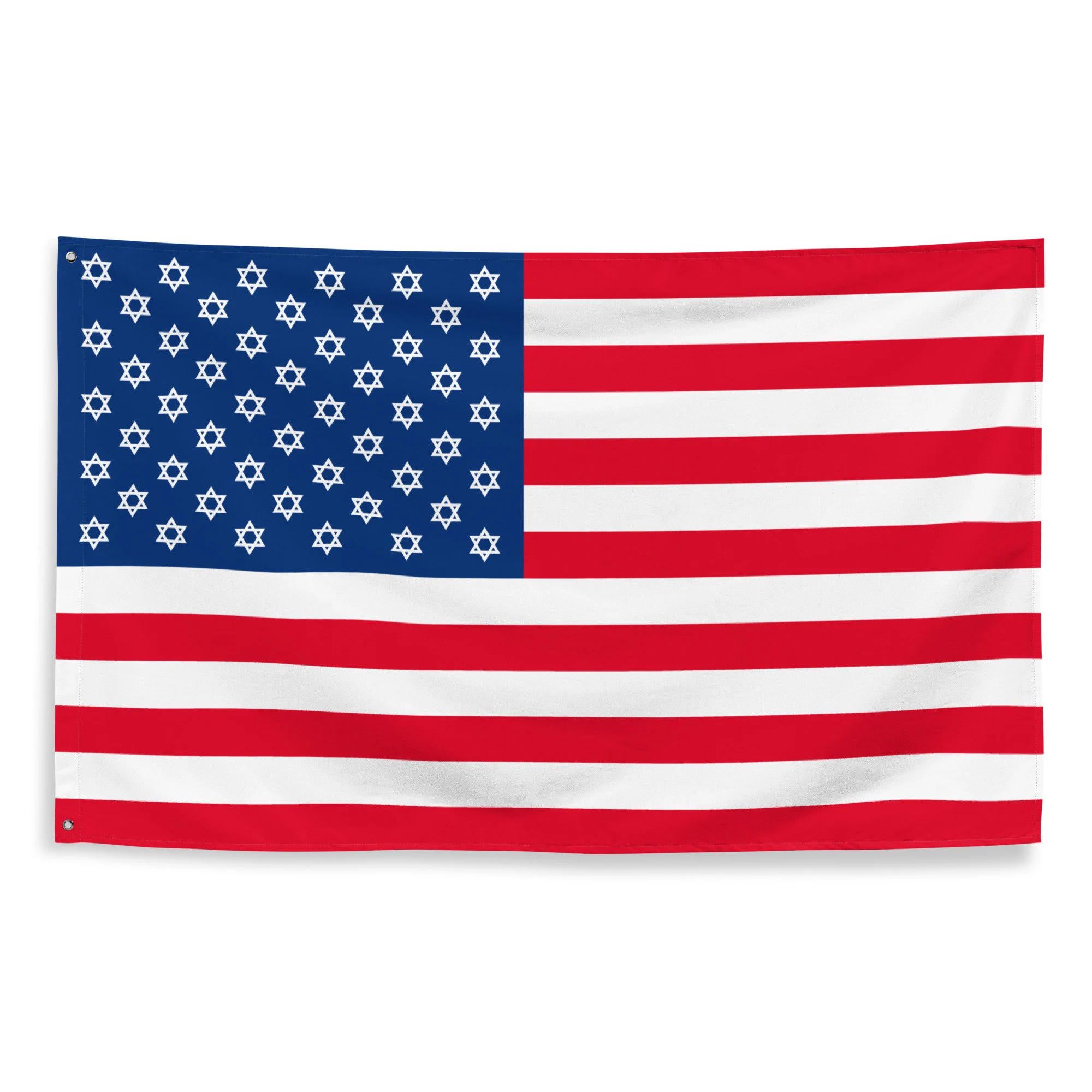
It is precisely this spirit of caring that connects America’s 250th anniversary with the Torah portion read in synagogues across the country this Shabbat, making this a fitting moment of reflection for Jews and all Americans.
The United States was founded on the ideals of liberty and freedom, a nation that not only protects the right of its citizens to live according to their convictions and embrace their identities, but encourages them to participate in the civic life of their communities and passionately pursue their beliefs. Over the past 250 years, America has never lacked disagreement. Ours has always been a mosaic rather than a perfectly sliced cake: a nation composed of people with different backgrounds, beliefs, and experiences, united not by uniformity but by a shared commitment to a common civic experiment.
Parshat Pinchas contains two episodes that speak powerfully to this vision of caring and engaged citizenship.
The first is the Torah’s second census of the Jewish people. Tribe by tribe and family by family, the Torah carefully records the nation, ultimately counting 601,730 men over the age of twenty. It even identifies many of the individual clans within each tribe, emphasizing that every family, and every person, matters.
This resonates not only because the United States has conducted a national census every ten years since 1790, but because both censuses express a deeper principle: every individual has inherent worth and every member of society has a place in its future. Rashi explains that God’s command to count the Jewish people is itself an expression of His love for them. Rabbi Jonathan Sacks similarly teaches that the Torah counts people because people count, affirming the dignity and significance of every individual.
The second story in Parshat Pinchas with profound significance for Jewish Americans is that of the daughters of Tzelofchad. After the Torah outlines how the Land of Israel will be apportioned among the tribes and their descendants, five sisters, Mahlah, Noah, Hoglah, Milkah, and Tirzah approach Moses and the other leaders with a sincere and principled request.
Their father, Tzelofchad, had died in the wilderness without leaving any sons. Under the existing system of inheritance, his family stood to lose its portion in the Promised Land. The sisters ask a simple but powerful question: “Why should our father’s name disappear from among his family simply because he had no son?” They seek not special treatment, but the opportunity to preserve their father’s legacy by receiving his rightful inheritance.
Moses brings their case before God, who responds unequivocally: “The daughters of Tzelofchad speak rightly.” Their request is granted, and their case becomes the basis for a new legal precedent: if a man dies without sons, his daughters inherit his portion.
What makes this story notable is its context. The Book of Numbers is filled with episodes of complaint, rebellion, and confrontation directed toward Moses and God. The daughters of Tzelofchad chart a different course. They neither remain silent in the face of what they perceive as an injustice nor reject the system altogether. Instead, they engage it respectfully, thoughtfully, and constructively, enacting lasting meaningful change.
As we celebrate 250 years of American independence, we can be grateful for a nation that has provided unprecedented opportunity for Jewish life, religious liberty, and civic participation. But gratitude alone is not enough. This anniversary reminds us that the blessings of liberty endure only when citizens reject the temptation of indifference and instead choose to invest in the civic life of their communities.
We demonstrate that commitment by engaging in civic education, participating in our communities, listening to those with whom we disagree, and accepting the shared responsibility of active members of a democratic society.
May this occasion inspire us to recognize the dignity of every person, to care deeply for our neighbors and our communities, and to embrace the responsibilities of citizenship with the same courage, humility, and sense of purpose exemplified by the generation counted in Parshat Pinchas and by the daughters of Tzelofchad. In doing so, we honor both our covenantal heritage and the enduring promise of the American experiment as it begins its next 250 years.