Culture and Resistance: An Unforgettable Journey at the Jewish Museum
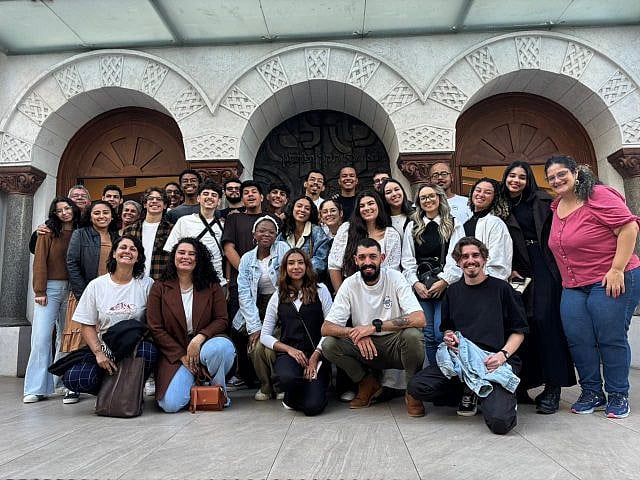
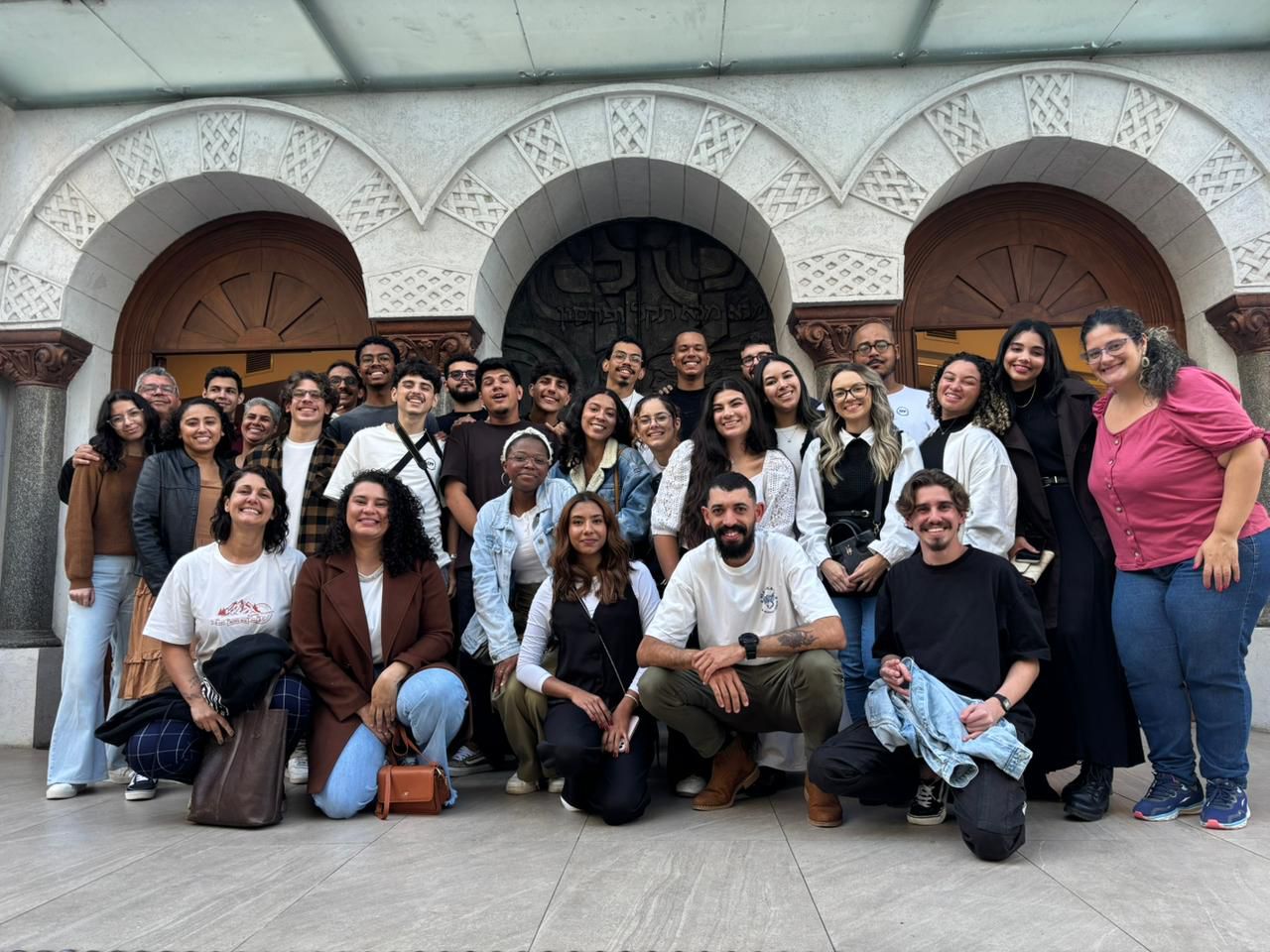
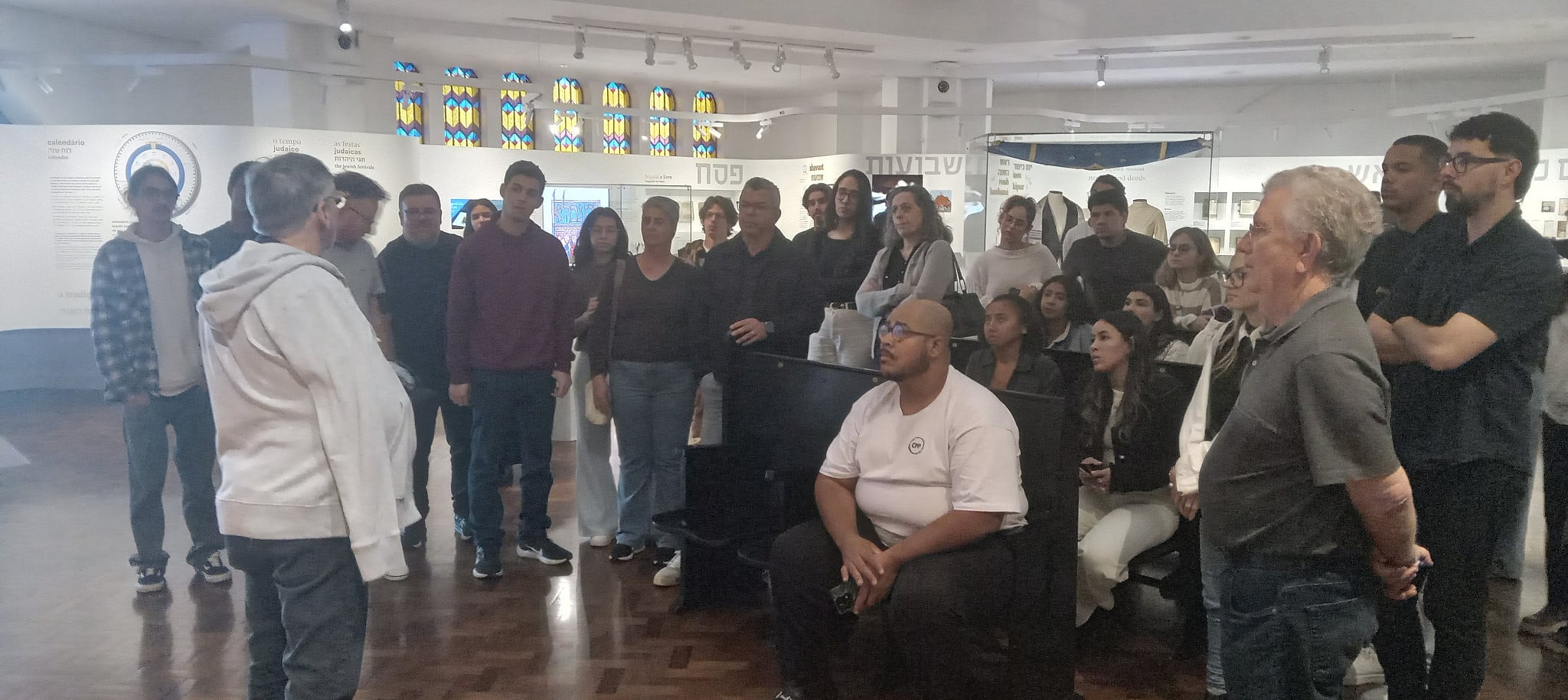
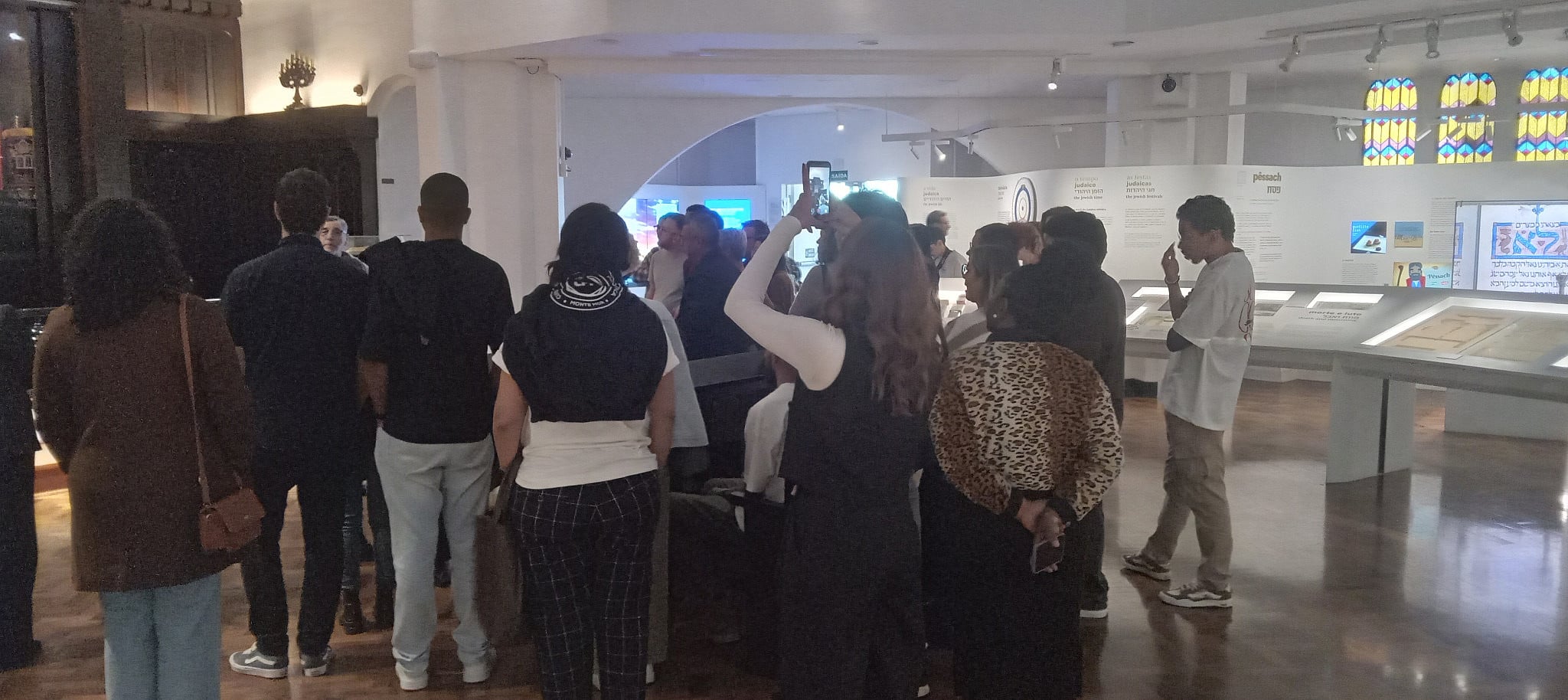
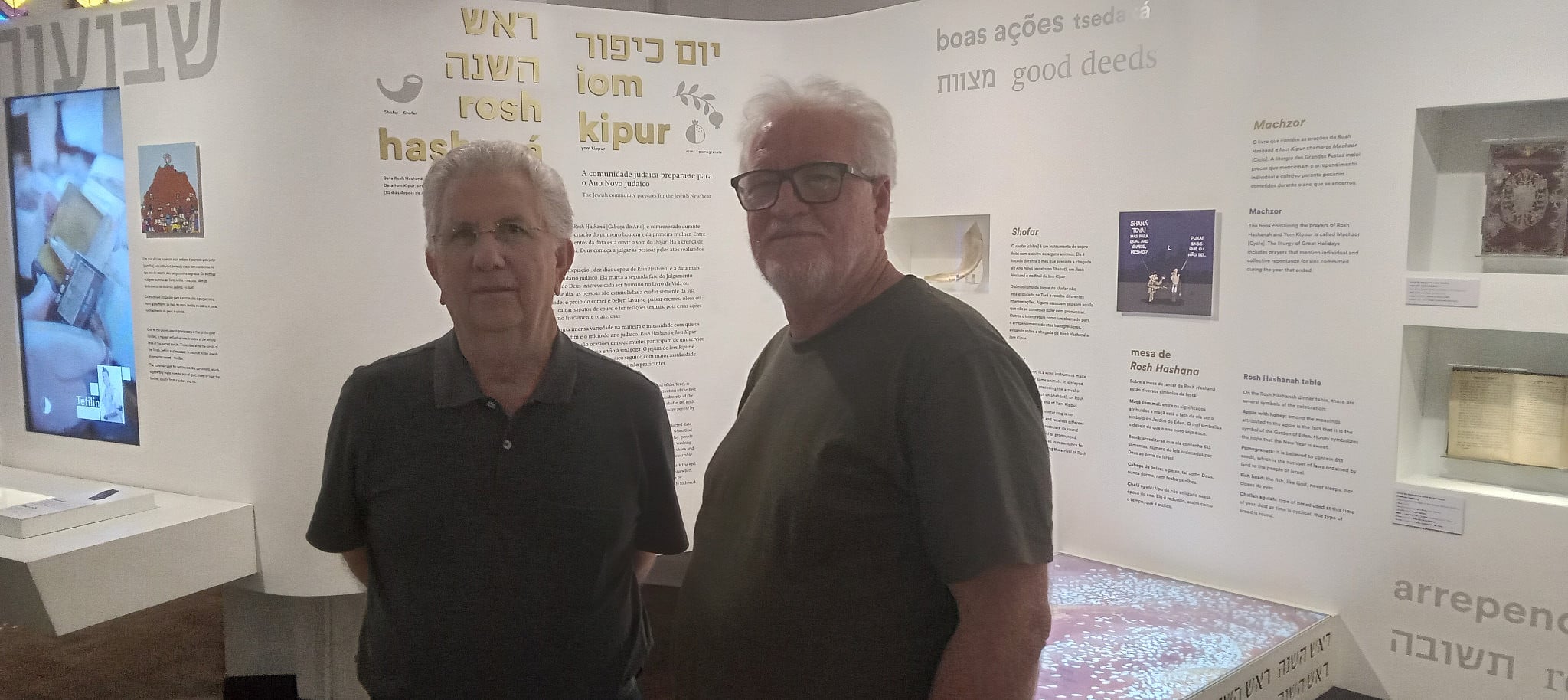
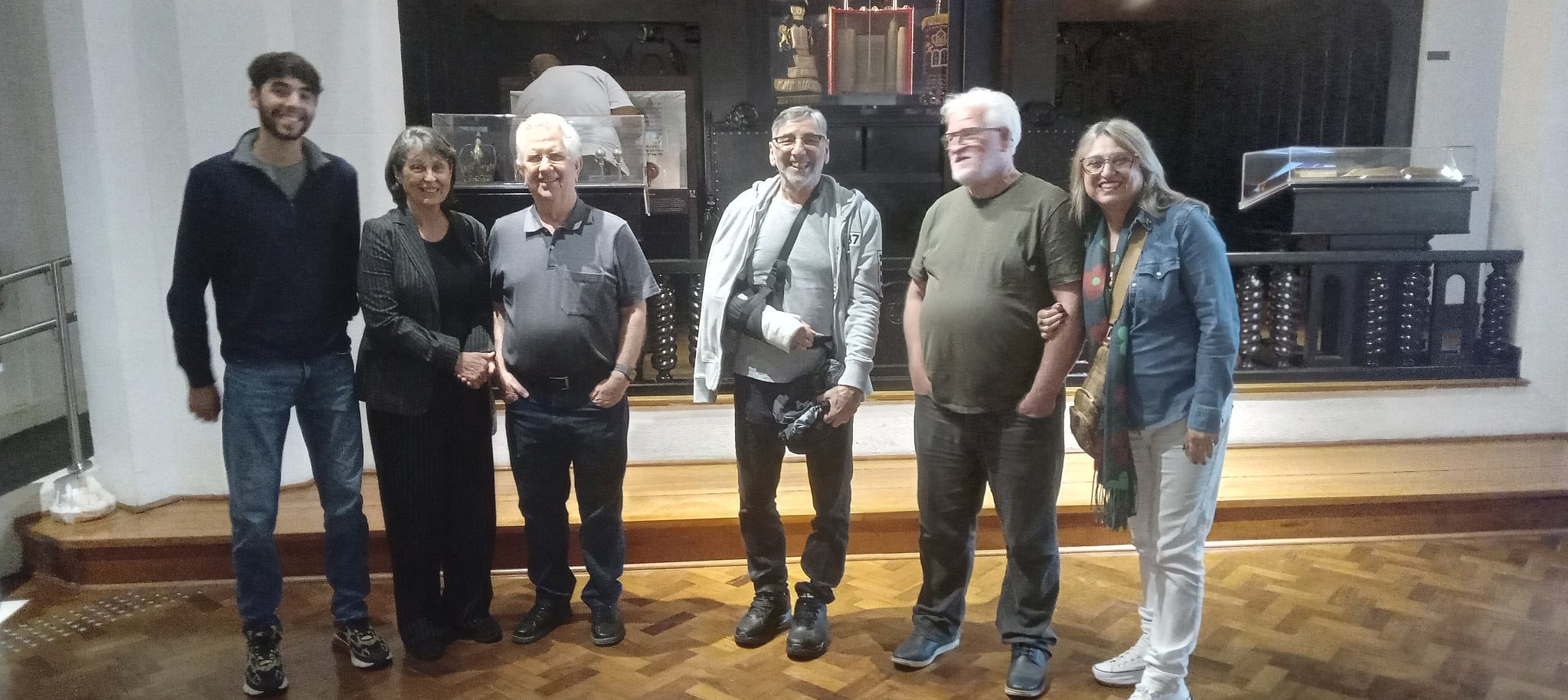
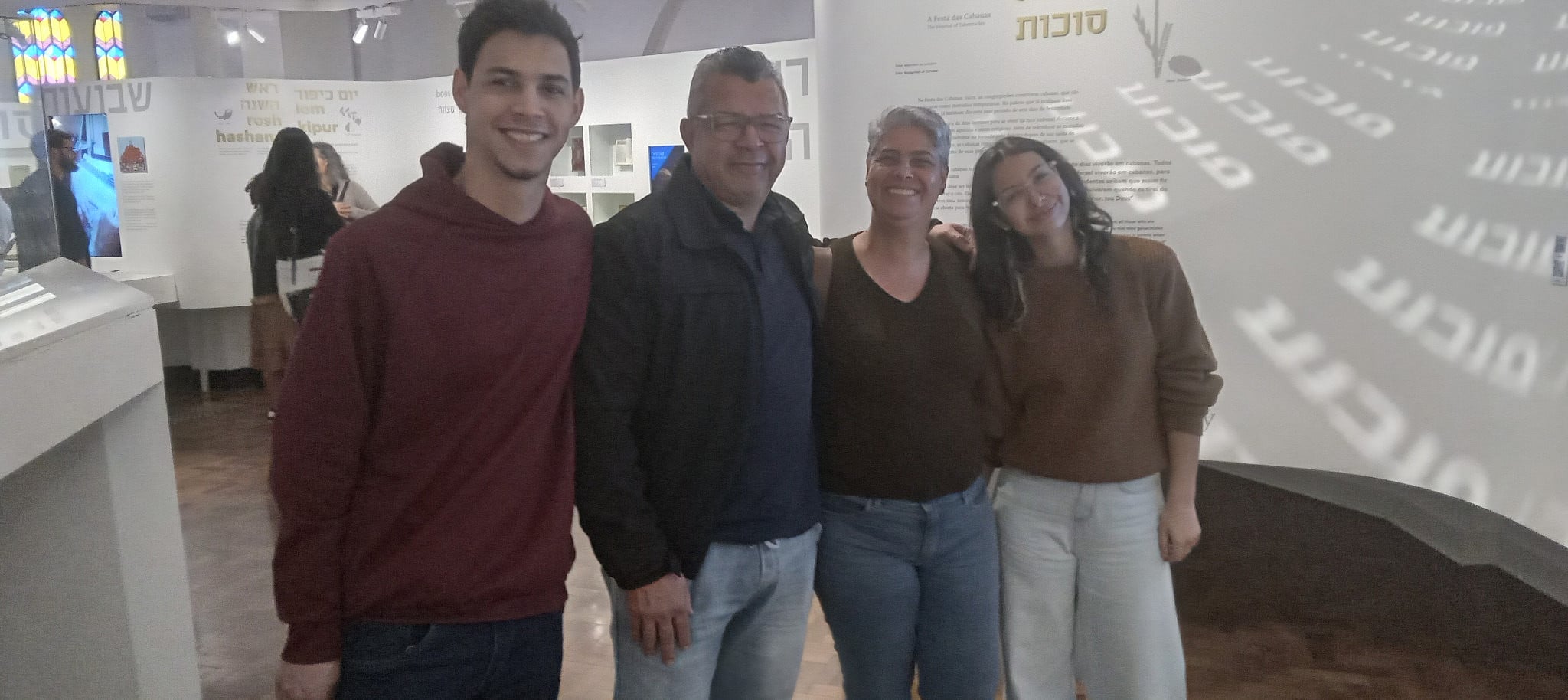
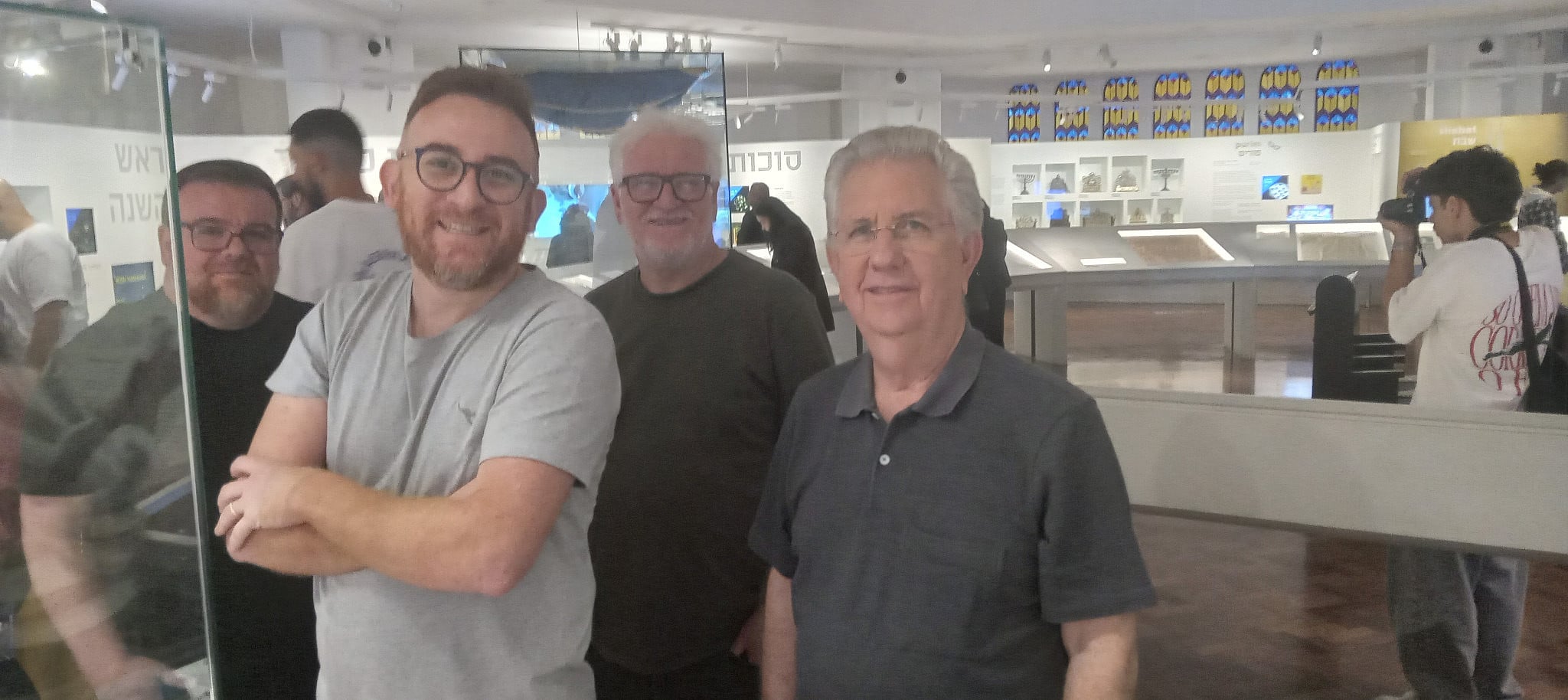
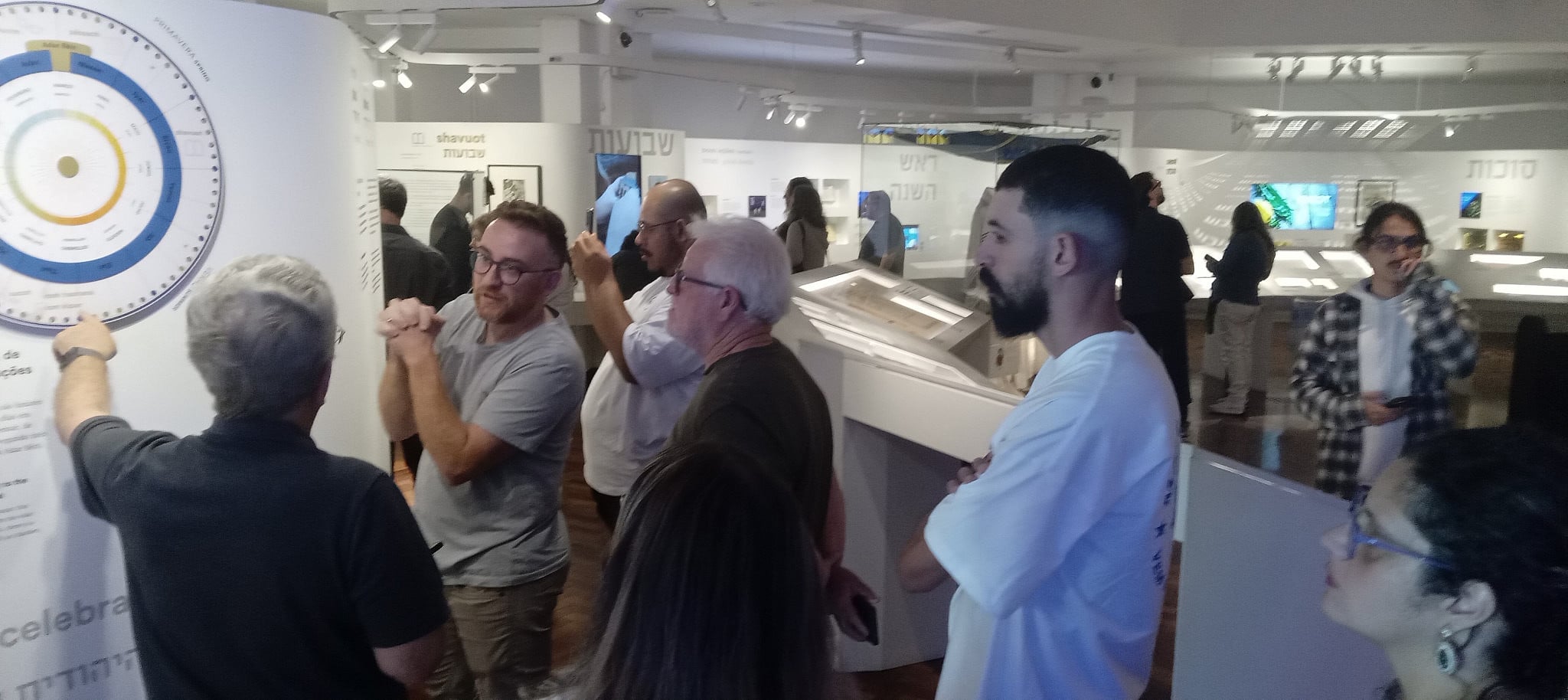
On Sunday, June 21, the Jewish Museum of São Paulo welcomed nearly 50 visitors for a special tour. Among the institutions represented were TJCII – Toward the Second Council of Jerusalem and CPP Montemor.
Participants included Christopher Walker, National Coordinator of TJCII; Felipe and Roberta Moraes, directors of CPP Montemor; Eduardo C. de Oliveira, pastor of Convergence Church in Monte Mor; Luiz Montanini and Matheus Alves, members of the TJCII leadership team; and Pastor Claudio Isidoro of Esperança Church in Americana.
Professor Daniel Woods, a Jewish scholar, shared insights into the museum’s history and Jewish culture. The visit was also supported by Marília Neustein, the museum’s executive director, and Roberta Sundfeld, director of collections.
From the preparations to the warm reception on the day of the visit, participants were welcomed with great care and hospitality.
Testimony of Christopher Walker, National Coordinator of TJCII
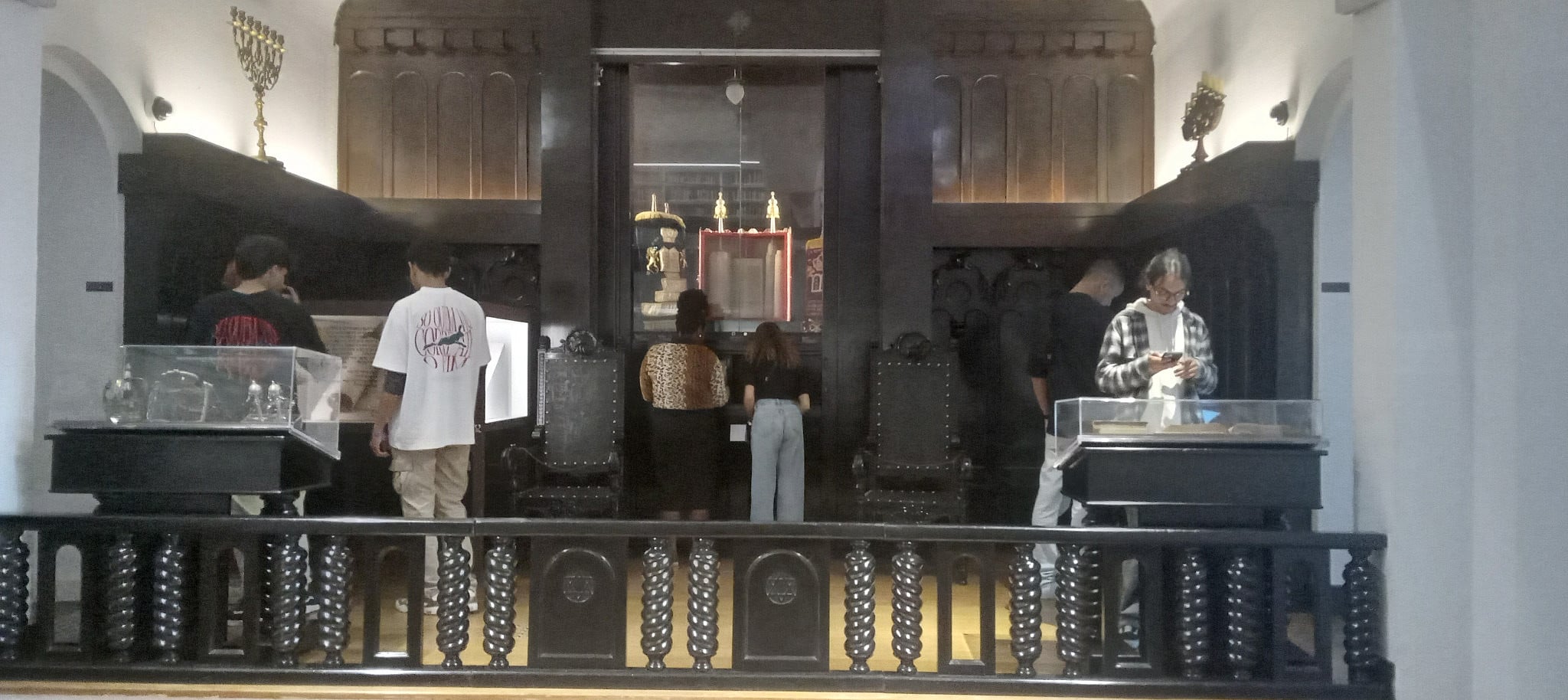
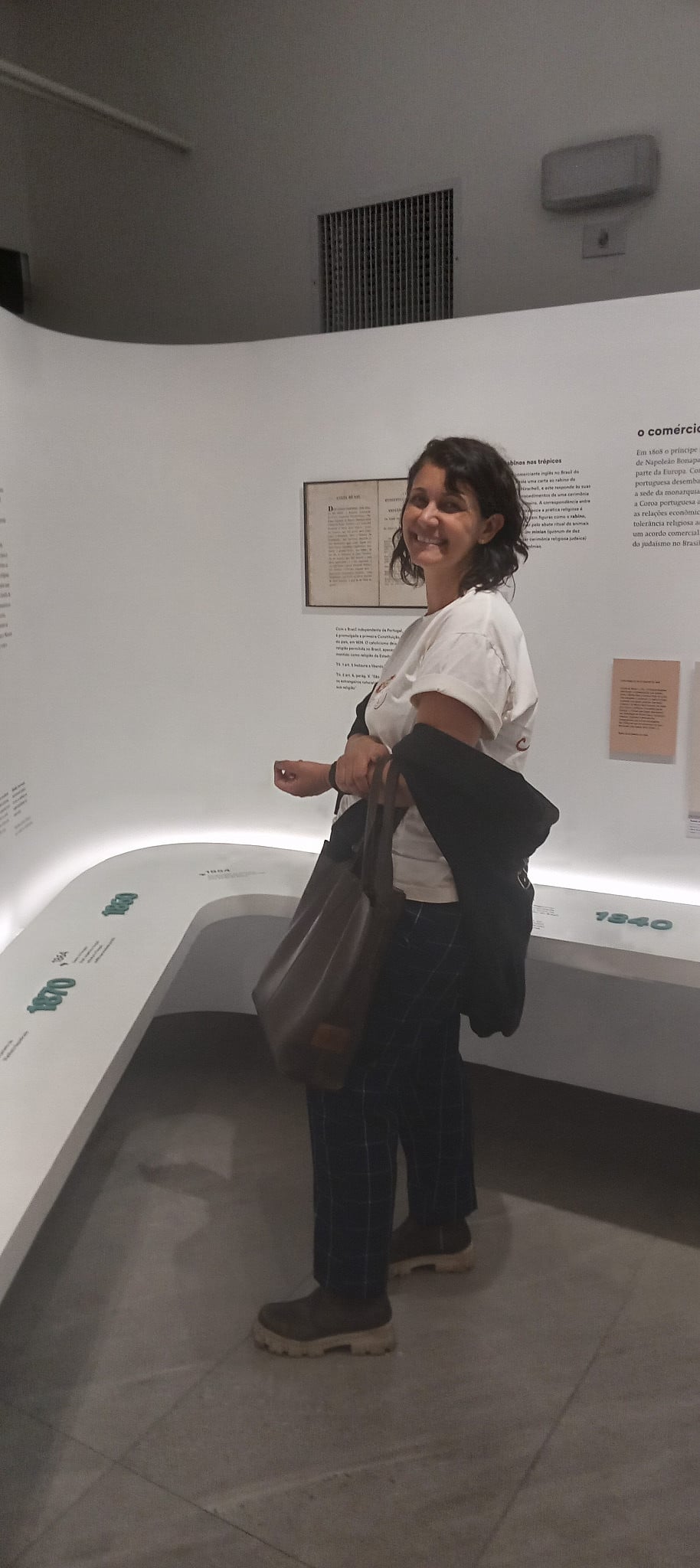
“The Jewish Museum is wonderful, with special emphasis on the synagogue area, where you find the furnishings of Jewish worship, the holy ark, Torah scrolls, and the full representation of Jewish life and culture. Truly impressive. Another highlight is the historical exhibition, which documents 500 years of Jewish presence in Brazil. I believe it is a unique collection — probably no other museum offers such richness to the public. It was absolutely worthwhile — the museum deserves to be much better known!”
The Importance of the Jewish Museum
The Jewish Museum of São Paulo is a project of national significance. Every Brazilian — regardless of faith or political stance — should visit it, as it reveals the importance of Jewish contributions to both Brazil and the wider world, highlighting a legacy that continues to enrich society.
Housed in a building protected as state heritage, the museum preserves the largest Jewish collection in Latin America, composed entirely of donations. It views memory as a living phenomenon — a source of resistance and survival, constantly evolving.
Designed in Byzantine style, the former temple building has seven sides, symbolizing the seven days of Creation and the seven colors of the rainbow.
According to estimates from the Brazilian Israelite Confederation (Conib), the Jewish community in Brazil numbers around 120,000 people — the second largest in Latin America, after Argentina. São Paulo is home to approximately 80% of this population, making it the country’s main Jewish center.