Dana Lilian Revi: Why Education Matters Beyond Israel’s Elections
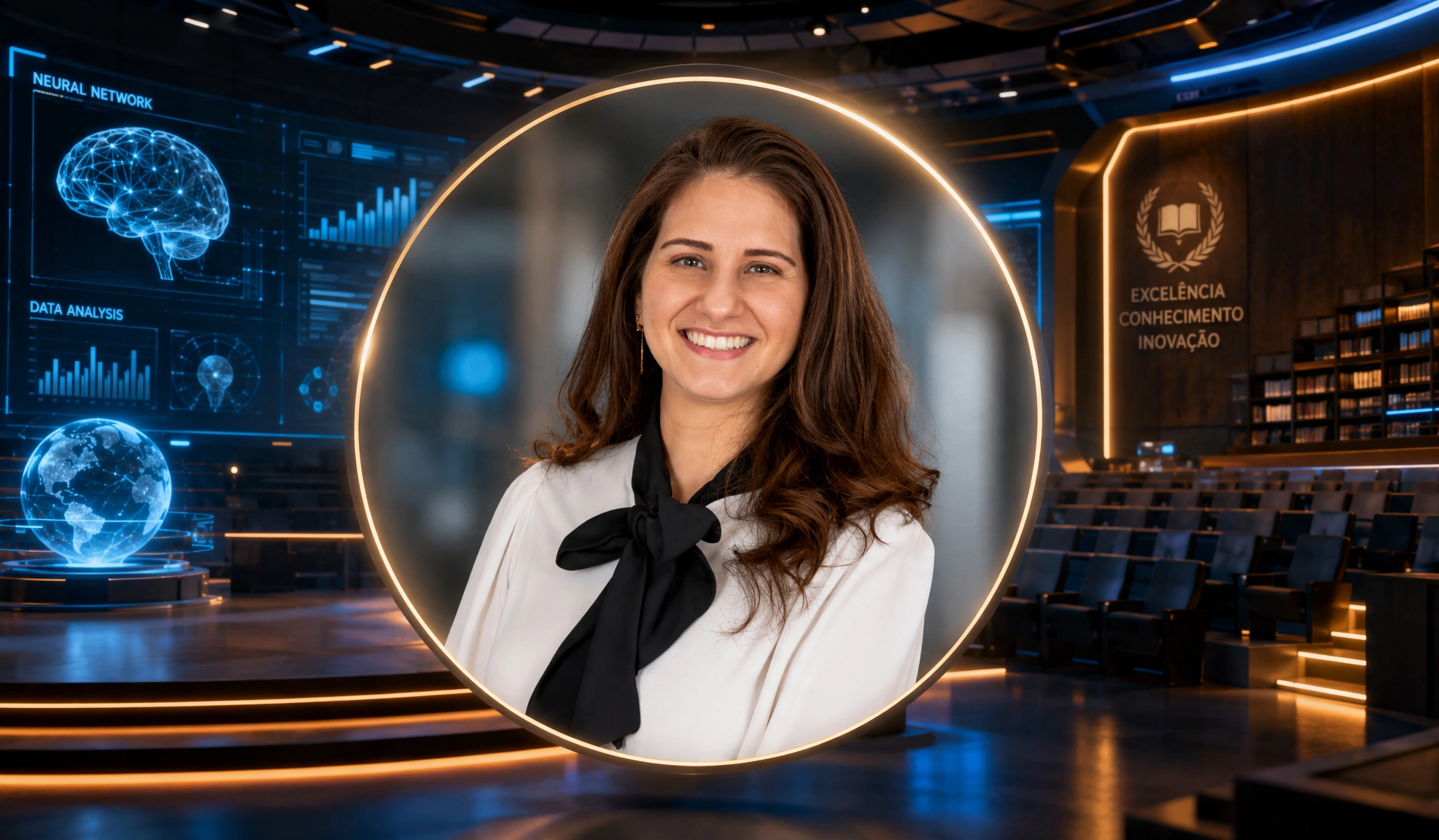
In times of intense political polarization, public debate tends to focus on who won, who lost, and what alliances will emerge. Yet, in a conversation with Dana Lilian Revi, it quickly becomes clear that some issues transcend election results and reveal a nation’s deepest priorities. As she reflects on Israel’s current political landscape, Dana repeatedly returns to one central theme: education and the vital role teachers play in shaping the country’s future.
Dana has spent much of her professional life building bridges between Brazil and Israel. For more than seven years, she has led the Brazilian Friends Association of the Hebrew University of Jerusalem, strengthening academic, cultural, and educational ties between the two countries. Throughout that journey, she has engaged with some of the world’s leading scholars, including mathematician Hillel Furstenberg, recipient of the prestigious Abel Prize, often referred to as the Nobel Prize of Mathematics.
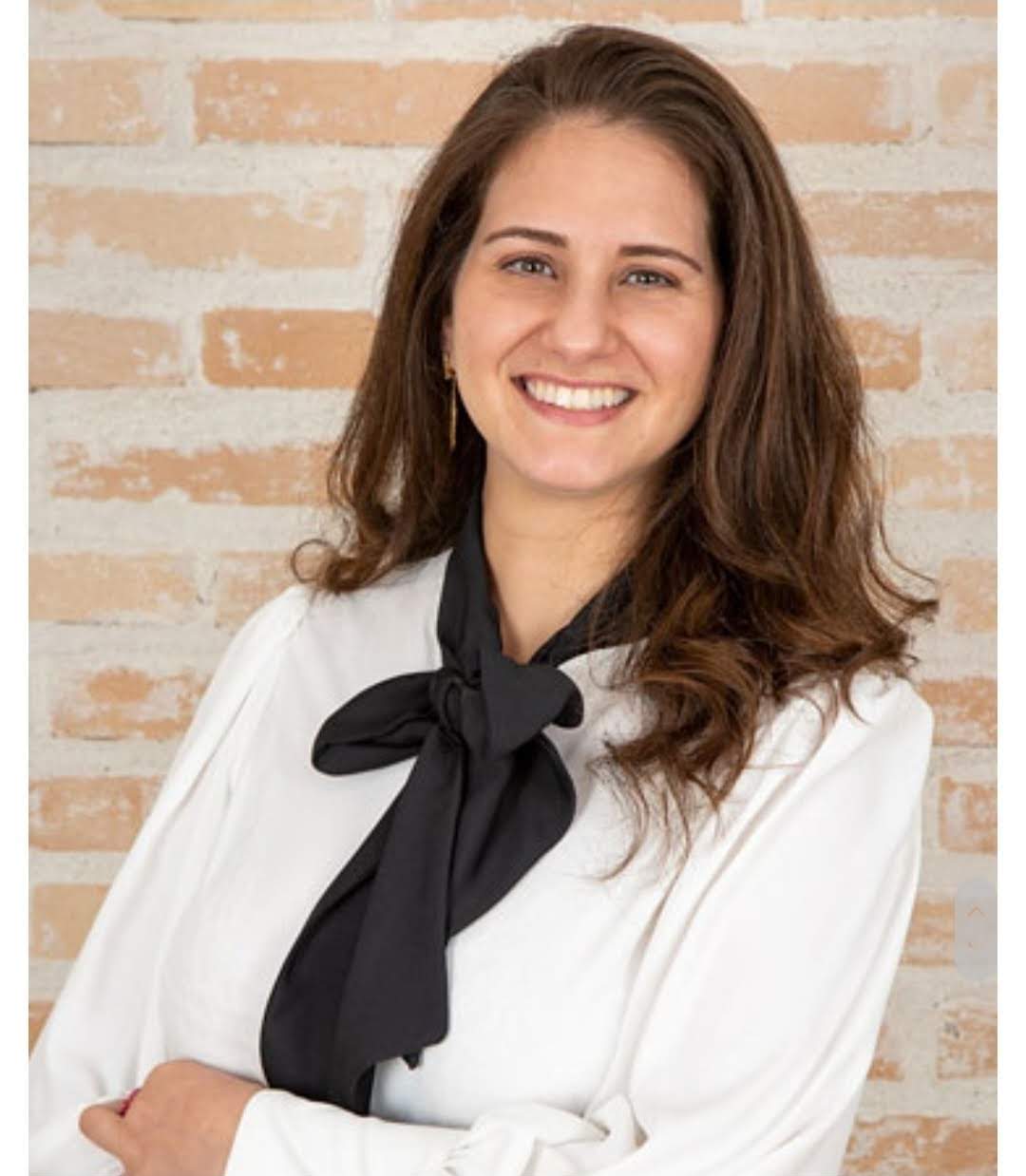
A trained dentist and author of the children’s book Jewish Stories for Children: Light, Faith, and Tradition, Dana speaks Portuguese, Spanish, English, and Hebrew and lives in Florida. Her work has long centered on education, Jewish identity, and the role of teachers in building stronger and more democratic societies.
As she prepares for a visit to Israel, Dana is closely following a pivotal moment for the country. Following an election marked by record voter turnout, Israelis are still awaiting the outcome of coalition negotiations and the formation of a new government. The results produced a fragmented political landscape, with no clear majority and complex discussions underway among competing political forces. Yet, as our conversation unfolded, Dana emphasized that the most important questions facing Israel may not be political at all, but educational.
What Dana Lilian Revi Learned on Mount Scopus
For years, Dana Lilian Revi has been active within the Brazilian Friends Association of the Hebrew University of Jerusalem. Her mission has been to build bridges between Brazil and Israel by connecting donors, researchers, students, and academic institutions.
The Hebrew University was founded even before the State of Israel came into existence. Before there was a government, an army, or an official flag, there was already a vision for an institution dedicated to knowledge. One of its founders was Albert Einstein, who also bequeathed his personal archives to the university. For Dana, this carries profound symbolism: before anything else, the Jewish people recognized the importance of creating a space for thought, research, and the education of future generations.
During one of her visits to the university, while attending a Board of Governors meeting, Dana had the opportunity to meet Professor Hillel Furstenberg. At age 90, he was still teaching. In 2020, he became the first Israeli to receive the Abel Prize, often referred to as the Nobel Prize of Mathematics. The encounter left a lasting impression on her and reinforced her admiration for the transformative role played by educators and researchers.
From that experience, she draws three key lessons.
The first is that education outlasts governments. Over the years, she has seen ministers come and go, budgets rise and fall, while classrooms remained open. What changes, she observes, is the quality of what happens inside them.
The second lesson is that a university campus serves as a mirror of society itself. At the Hebrew University, religious and secular Jewish students, Arabs, immigrants, and international students share the same academic spaces. They do not always agree, yet they learn together. For Dana, this is not idealism but a practical model for coexistence and social development.
The third lesson is that investments in education rarely yield immediate results. Their impact becomes visible years later through the training of doctors, engineers, teachers, scientists, and leaders. Perhaps this is why, in times of financial strain, education is often among the first sectors threatened by budget cuts.
What the Ballot Boxes Revealed
On October 27, Israelis headed to the polls in one of the country’s most significant elections in decades. It was the first general election held after the events of October 7 and the conflicts that followed.
The results revealed a closely balanced political landscape. With nearly 90 percent of votes counted, the bloc led by Benjamin Netanyahu secured 53 seats, while the group led by Gadi Eisenkot won 48. Neither side achieved the 61-seat majority required to form a government independently.
Another notable development was the historic performance of Arab-majority parties, which won 19 seats, nearly doubling their previous representation. As a result, they have assumed a strategically important position in negotiations over the formation of the next governing coalition.
The official outcome will determine the next chapter in Israeli politics, whether through an unprecedented coalition, a national unity government, or potentially another election.
Schools Go to the Polls Too
In Dana’s view, every voter was once a student. Schools are where people learn how to interpret information, analyze arguments, and understand democratic institutions.
Record voter turnout can also be seen as the product of years of educational formation. Teachers, history lessons, and classroom debates help build a culture of civic participation. Religious and secular citizens, Jews and Arabs, young and old alike went to the polls because they understand that their voices matter.
Education does not teach people whom to vote for. It teaches them why voting matters and how to think before making a decision.
At the same time, the process works both ways. The government chosen by voters will determine budgets, priorities, and public policies for the schools that educate future generations. In this sense, schools shape voters, voters choose governments, and governments directly influence the future of education.
The Forgotten Consensus: The Classroom
Despite deep political divisions, one issue appears to unite different sectors of Israeli society: the shortage of teachers.
The figures vary according to the source. While official data indicate a shortage of 434 professionals, representatives from the education sector argue that the deficit could reach several thousand teachers. In a system serving approximately 2.6 million students, the shortage has emerged as one of the nation’s most pressing challenges.
Zvi Sukkot, chairman of the Knesset Education Committee, has described education as an existential priority for Israel, warning about teacher shortages and overcrowded classrooms. Meanwhile, Naftali Bennett, one of the country’s leading opposition figures, has called for a national education emergency, estimating a shortage of more than 30,000 teachers.
Their proposals differ, but the diagnosis is remarkably similar.
For Dana, the central issue is the need to enhance the status and attractiveness of the teaching profession. An entry-level teacher earns roughly 7,000 shekels per month, while more experienced educators may earn around 22,300 shekels. Given the high cost of living in cities such as Tel Aviv and Jerusalem, an inevitable question arises: why would the most talented young people choose a career in the classroom?
More than an ideological debate, this is ultimately a discussion about the country’s future.
What Any Government Will Have to Confront
Regardless of which coalition emerges, Dana identifies at least three major challenges facing Israeli education.
The first is competition for resources with the security sector. In a country facing constant threats, investments in defense are indispensable. Yet recent budget cuts across several ministries, including Education, raise a strategic question: how can a nation protect itself today without compromising the education of those who will be responsible for protecting it tomorrow?
The second challenge concerns technology and artificial intelligence. The government has expanded digital initiatives in education, particularly in language instruction. However, reality demonstrates that technology cannot replace qualified teachers. In Dana’s view, artificial intelligence can amplify the work of excellent educators, but it cannot solve teacher shortages.
The third challenge is social cohesion. The election highlighted the diversity of Israeli society. In this context, schools remain one of the first places where children learn to coexist with differing opinions without turning disagreement into hostility. Proposals involving decentralized school management, revised hiring models, and greater attention to early childhood education reflect a growing recognition that the current system requires renewal.
And What About the Diaspora?
According to Dana, the challenges facing Israeli education also concern Jewish communities around the world.
Jewish schools in Brazil, the United States, and many other countries maintain close ties with Israel through educational exchanges, Hebrew-language instruction, academic programs, and university partnerships. When Israeli education grows stronger, these connections are strengthened as well.
She also emphasizes that, at a time of rising antisemitism in various parts of the world, it is essential to teach younger generations about a real, diverse, and complex Israel, free from caricatures and ideological simplifications.
This was one of the motivations behind her book Jewish Stories for Children: Light, Faith, and Tradition. For Dana, Jewish identity is built through knowledge and education, not slogans.
Although diaspora communities do not participate in Knesset elections, they can contribute by supporting schools, teachers, universities, and educational initiatives that will remain relevant regardless of political change.
Governments Come and Go, Classrooms Remain
In the coming days, Dana will closely follow negotiations over the formation of Israel’s next government. The outcome remains uncertain. What will not change is the daily reality unfolding across the country.
Thousands of children will continue going to school. Teachers will continue arriving early, often facing salary and structural challenges, yet remaining committed to educating the next generation.
For Dana Lilian Revi, this is the real Israel that rarely makes political headlines: the Israel of classrooms, teachers, and students.
Her experience at the Hebrew University of Jerusalem reinforced a conviction deeply rooted in Jewish history: before the state came the university; before institutions of power came knowledge. Therefore, regardless of who governs Israel in the years ahead, the country’s most important investment in the future will continue to be education.
After all, governments come and go, but classrooms endure.