


Highlight Nepal’s presence in the Global Context
Dashain of Togetherness: Israeli Citizens Honor and Join Nepali Celebrations
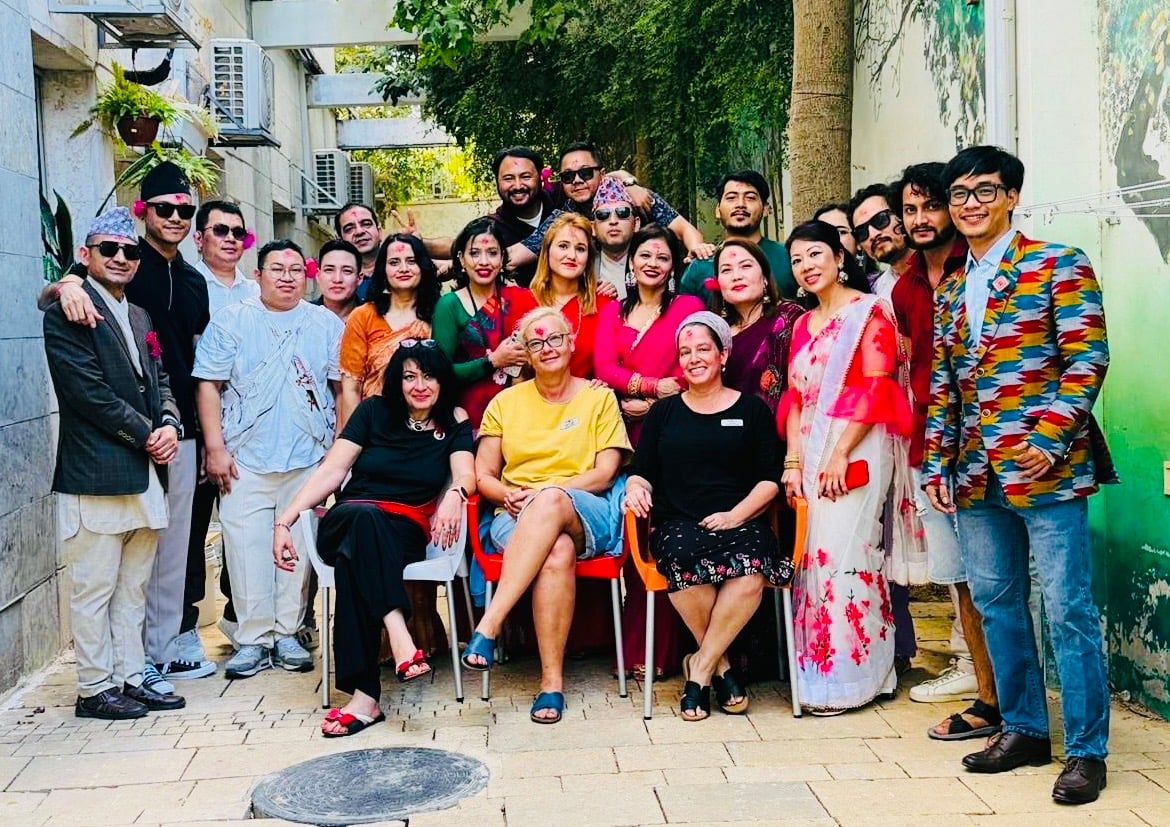
Most Nepalis living abroad share one common feeling though far from home, their traditions never fade. While Nepal grapples with the Gen Z movement, floods, landslides, and natural disasters, and as the nation continues to ache for Bipin Joshi, the young Nepali held captive by Hamas for two years, Nepalis in Israel still managed to celebrate Dashain with deep faith, cultural pride, and heartfelt togetherness.
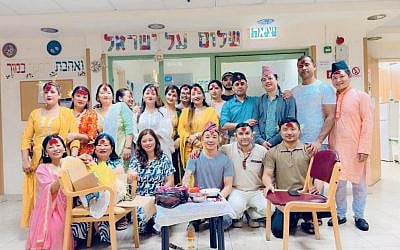
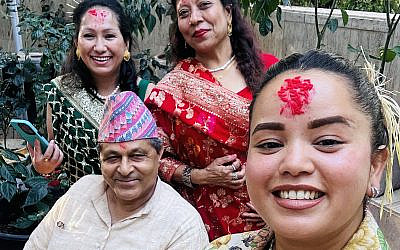
Wearing tika and jamara, receiving blessings from elders, and gathering with friends, they recreated a small piece of home in a foreign land. Amid smiles and laughter, everyone carried the quiet ache of distance from family, from home.
Dashain once again reminded everyone that it is more than red tika and green jamara. It is a symbol of love, connection, and resilience a festival that strengthens family ties and unites friends and communities. That same spirit brought Nepalis in Israel together this year.
Various Nepali community organizations in Israel organized collective tika ceremonies, cultural gatherings, and feasts. Many treated their friends like family, placing tika with affection, preparing traditional dishes, singing and dancing together, and sharing stories of Nepal.
Although the Embassy of Nepal in Israel did not host a formal tika event this year due to the nation’s somber mood, some Nepalis received blessings from His Excellency Ambassador Dhan Prasad Pandit. The collective prayer was for peace, stability, and unity in Nepal and for the safe return of Bipin Joshi.

This year, Dashain coincided with Yom Kippur, Israel’s day of atonement and mourning, which meant all markets, transport, and offices were closed on Thursday. As a result, most Nepalis celebrated on Friday and Saturday instead. For those working in home care, nursing homes, and agriculture, these gatherings brought comfort and strengthened the sense of belonging.
It is estimated that around 10,000 Nepalis and Nepali-speaking people currently live in Israel. Following the government-to-government (G2G) labor agreement between Nepal and Israel, a growing number of young Nepalis have arrived, adding even more energy to these communal celebrations. For many, such festivals offer not just joy but also mental relief after long, exhausting work weeks.

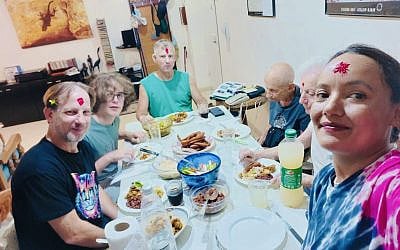
Perhaps the most heartwarming part of this year’s Dashain was the respect and participation shown by Israeli citizens. Some joined their Nepali friends, colleagues, and caregivers in applying tika, tasting Nepali food, and sharing in the happiness. At a time when some young Nepalis are drifting away from their traditions, the admiration shown by foreigners for Nepali culture stood out as a reminder of its beauty, tolerance, and global significance.
 Dashain in a foreign land once again proved that while distance may separate bodies, it can never break the bond of culture and connection. Wherever we are, however far from home, our soil, our faith, and our traditions remain at the heart of who we are.
Dashain Festival: The Symbol of Victory, Unity & Devotion
Dashain is the most important and widely celebrated festival among Nepali Hindus. It symbolizes the triumph of truth over falsehood and righteousness over evil. The festival is rooted in the legend of Goddess Durga’s victory over the demon Mahishasura. Dashain is not only observed in Nepal but also celebrated with enthusiasm by Nepali communities in India, Bhutan, and around the world.
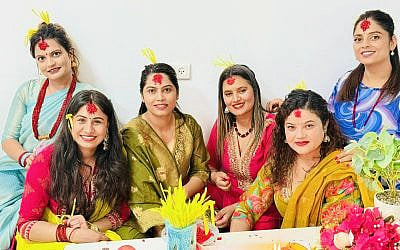
The festival usually lasts for 15 days, with the main celebrations taking place from Ghatasthapana (the first day) to Vijaya Dashami (the tenth day). Throughout this period, devotees worship the nine forms of Goddess Durga, each day carrying its own religious and cultural significance. On Ghatasthapana, a sacred vessel (Kalash) is installed to invoke the goddess. Phulpati is celebrated on the seventh day, followed by Maha Ashtami and Maha Navami, which involve special rituals and offerings. On Vijaya Dashami, elders bless younger family members by applying Tika and Jamara, symbolizing blessings and victory.
Beyond its religious meaning, Dashain strengthens family bonds and social harmony. It is a time when people return home, reunite with loved ones, wear new clothes, enjoy delicious food, and celebrate together.
Dashain also highlights Nepal’s rich cultural identity before the global community. For Nepalis living abroad, the festival serves as a heartfelt reminder of their traditions and connection to their homeland, keeping their cultural roots alive no matter where they are.