


Death of a Zionist
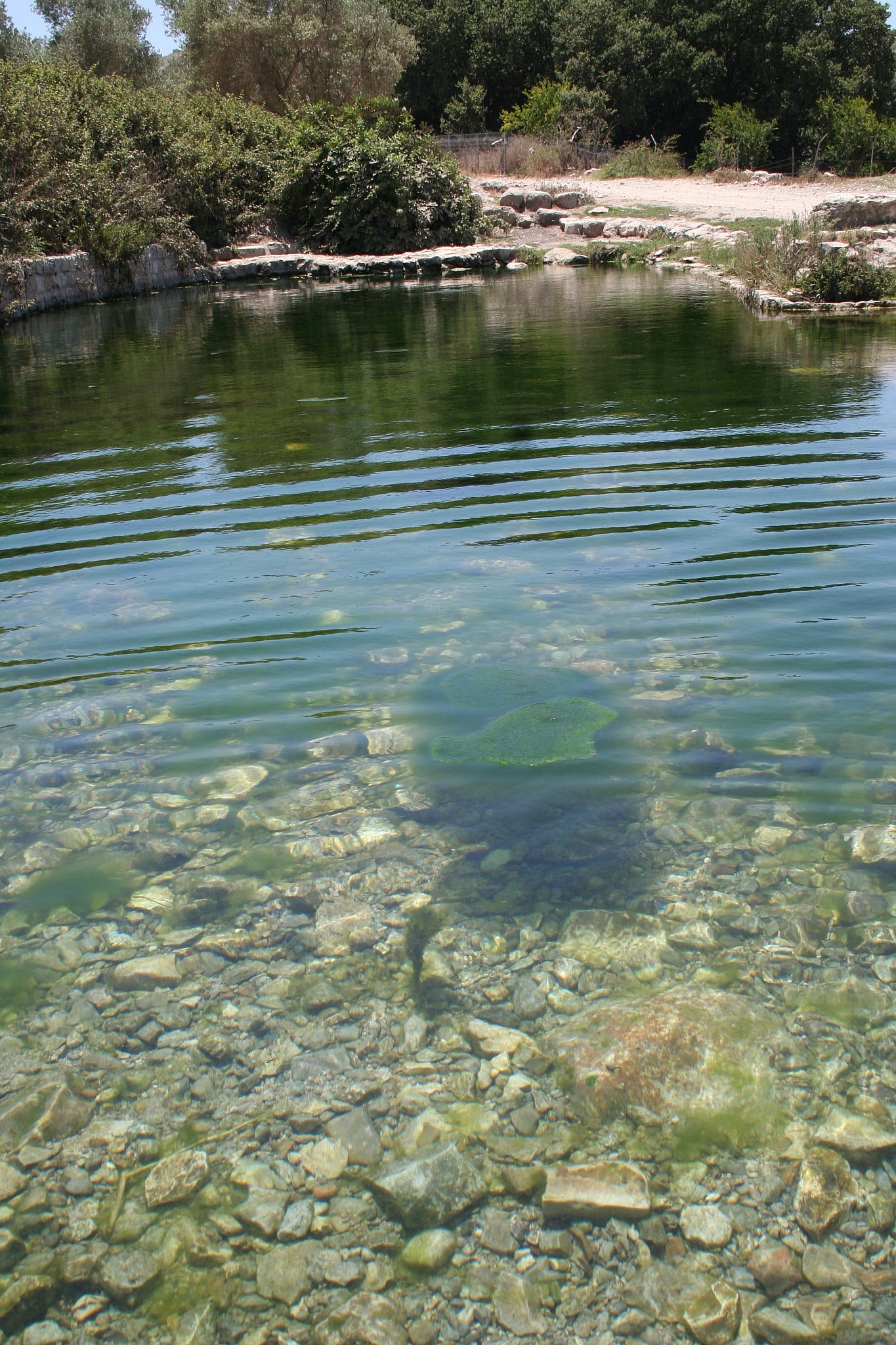
My father’s Zionism was leaping into the cold waters of an ancient pool on a hot summer day. He would locate some spring, cistern, or water hole in a remote corner of Israel, would strip down to his undergarments and, yelping Tarzan-like, would jump in, shiver with joy, and spurt and splash like a child. Oblivious to slimy moss, bugs, flies, and floating plastic bags, he saw the dank water as proof that this harsh land was good to its people.
His was a love affair with his homeland: plucking wild figs from its trees, sniffing at its carobs and guavas, slurping its greenest olive oil straight out of the bottle. Every fall, when the first rains finally fell, he stepped onto his rooftop and danced a silly dance of pretend-relief.
Most of all, this Zionism was a love of Israel’s history, archaeology, and literature. In retirement, he studied the Egyptians, Assyrians, Romans, Mamelukes. He wandered the countryside with a worn copy of Vilnay’s 1935 “Guide to the Land of Israel” in his pocket. In its margins, I found scribbled notes: “from the tree in the northwestern corner of the parking lot, 15 double steps north, 25 double steps west… a Byzantine cave dwelling!” He scrambled up Nabatean ruins, boiled coffee in the shelter of a crusader fortress, and posed heroically for a photo at a national park, pointing proudly at a reconstructed synagogue wall. He had a tale about every ruin, hill, and cave. Some of these tales were true. Some were almost true. Though he had no patience for Jewish observance and only reluctantly set foot inside a synagogue, he knew large tracts of Jewish scripture by heart, improvising where necessary. He read voraciously.
This Zionism was not innocent. With his love for his land and his people came a deep respect for the force needed to protect them. Intimidation, deceit, and violence were moral if they secured the future. His was the pragmatism of a survivor, born two months into the Nazi occupation of Czernowitz. He was named after his grandfather, the murdered Chief Rabbi of the city. At six weeks old, his family was forced into the Czernowitz ghetto. At age three, he fled with those family members who survived deportation, disease, starvation, and murder to Israel, making their way across the Black Sea, Turkey, Syria, and Lebanon by boat, train, and on foot. As a young boy, he celebrated the end of the British occupation and the birth of Israel. He saw his grandmother bear witness at the Eichmann trial. He fought in Israel’s wars and served in the highest echelons of its defense establishment.
His Zionism was neither zealous nor self-righteous. He harbored no hatred for Israel’s enemies nor did he believe that his cause was more just than theirs. He respected their anger and courage, though he hoped that his soldiers were better trained, his weapons more advanced, his spies craftier. If they were not, they did not deserve to win. This Zionism knew no Left or Right. He admired both Rabin and Netanyahu the warriors, respected both Rabin and Netanyahu the hawks, but hated the corrupt Netanyahu who weakened Israel and undermined its democracy.
His greatest disdain was reserved for those Jews who turned their back on their people in a doomed effort to save their own skins. He despised free-riding Haredis who refused to enlist as much as he despised leftist Jews who bent the knee to gain the approval of their anti-Zionist friends in the West. He jeered at them not only because they were cowards but because they were bad at history. Only someone thoroughly ignorant of the past could claim that the great Jewish mistake was too much confidence, too much self-reliance, or too much strength. Zionism meant holding your head high: “Don’t let them pee on you and then pretend it’s raining.”
His people, his land, and their safe future together occupied his moral universe. Personal morality, fidelity, and the rule of law played a more marginal role. He was taciturn, quick to anger, and obstinate. He unnecessarily provoked those in positions of authority, but was kind to those who had the least influence. His superiors resented him, but his employees adored him. True to his spy craft, he was a trickster, delighting in little and big lies, nimble fingers, and guilt-free deceit. He was a charismatic speaker and a gifted leader, disciplined, confident, charming, but less skilled at taking responsibility for his flaws and apologizing for his faults. His training imbued him with a fantastic memory for numbers, names, and faces as well as a tendency to withhold his true identity from strangers. In restaurants, he always sat facing the front door.
I remember him by the orchard at the outskirts of our village, sneaking my sister and me through a hole in the fence to steal some oranges, peeling and chewing as we scurried to make our escape. It was our village, our land, our water, ergo these were our oranges. And besides, doesn’t the Talmud say that stolen oranges taste the sweetest?
My father, a Zionist, died last week and was laid to rest with his ancestors.