
Disrupting
In the world of older adult services, it is easy to see why things settle into routines and people cling to “the way we’ve always done it.” Working with elders who have physical challenges is difficult. Working with elders who have cognitive impairment is difficult as well. So, it is understandable that there is resistance to change. After all, we know what works, right?
But the truth is that what works may not be what’s best, specifically not what’s best for the older adult. Too often, family as well as professional staff, define “best” as taking control away from the elder. With good intentions, they assume that the elder cannot do or choose or participate in decisions or actions. The caregiver takes over and, again without malice, treats the elder as if they are an infant to be cared for, or a problem needing to be solved.
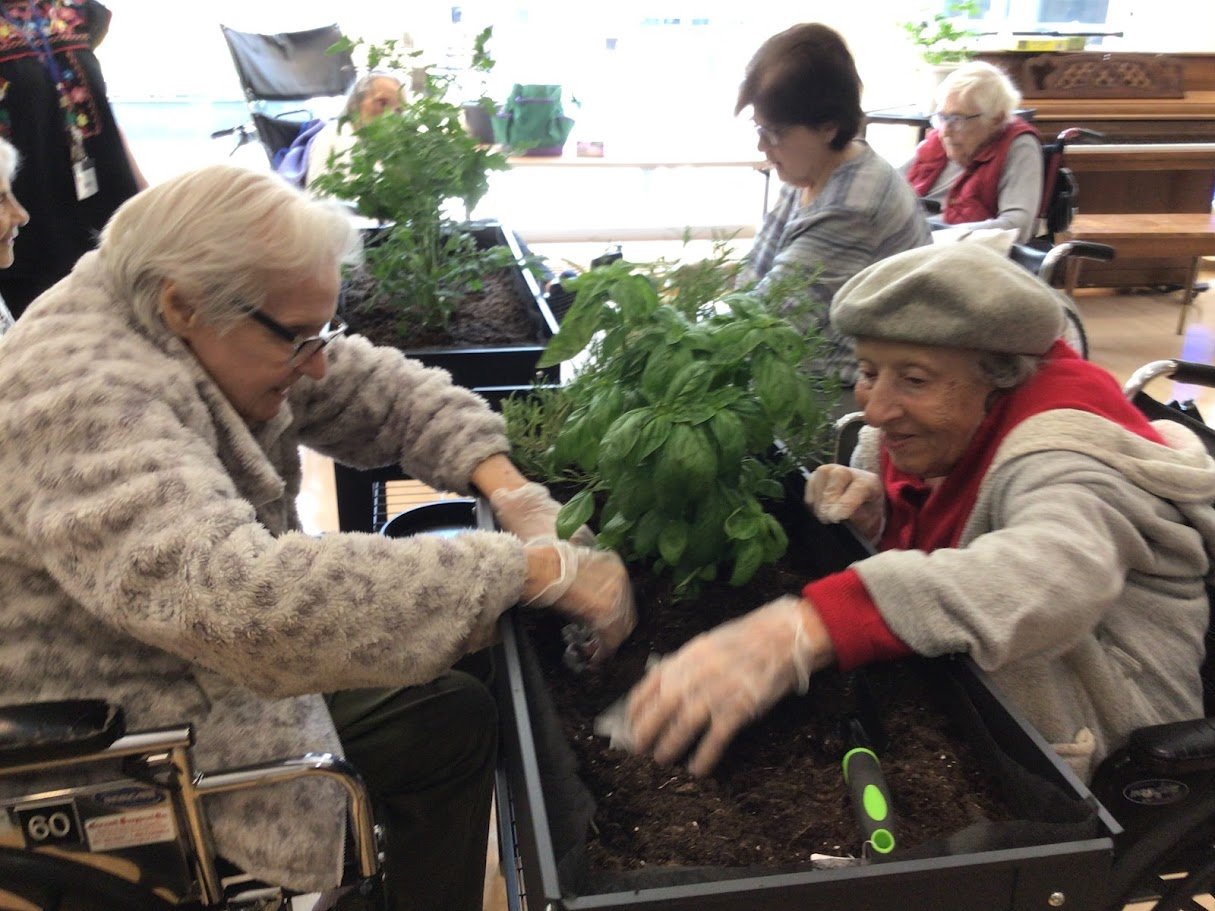
What we know, absolutely know, is that elders still retain the ability to choose, to participate, to create, to engage. They may not be able to express that in the traditional ways but, given the opportunity, they are more than capable. Even someone who can no longer speak can look at two items, from their clothing to their meals, and clearly determine, and communicate, which option they prefer. Enlightened caregivers see this demonstrated every day.
We live in a society that marginalizes older adults, which sees them as returning to a helpless state and needing total support. We hear families talk about “reversing roles” with their parent and bemoaning the shift in relationship that they perceive, that they are “parenting” their parent.
But no one is really “parenting their parent.” Your parent is still your parent and entitled to respect and care and dignity. The issue lies not with them, but with you and the way you choose to define their role and their abilities.
It’s high time we all took a deep breath and changed our thinking. It’s high time we re-calibrated our understanding of older adults. Our elders are individuals who have lived meaningful lives, contributed to society, raised families, supported communities, served their country, helped others and so much more. They are still those people. Age has affected them, but it has not stripped them of their identity or history. Age has also not stripped them of their human rights or their civil rights.
Disrupting established mindsets and ingrained behaviors takes time and effort and constant attention. It takes all of us to reframe our approach to older adults, and to embrace an understanding of their value. It takes all of us to raise our voices and not let elders be counted out. Their futures and our futures depend on it.