Don’t Reduce Us to What Was Done to Us!
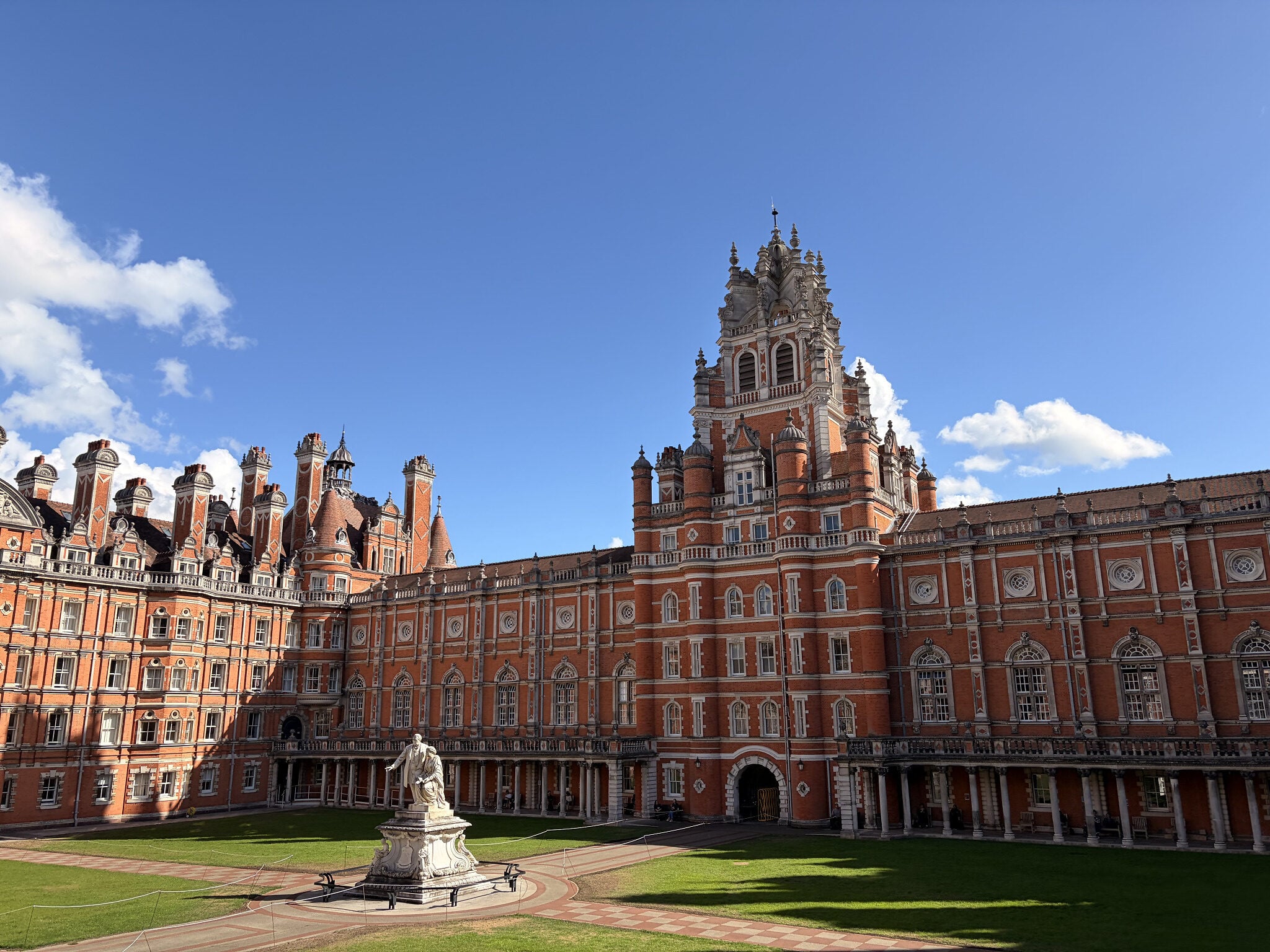
My phone rang on an early February morning. A journalist I had never met wanted to speak to me about the antisemitic abuse I had experienced at Royal Holloway. Over the next two years, the calls continued. Eventually, the threats to blow up our Jewish Society, the anonymous calls (ten times a day for months on end) and the ominous notes left outside my room, accompanied by bloody period pads, had become headlines in the British national press.
At first, the attention felt like recognition. Someone, somewhere, had decided that what happened to a Jewish student was worth saying out loud. I hoped that someone in power would step in, and that the people targeting me might grasp the harm they were causing me and stop their campaign. Of course, neither happened. But it got me thinking about all the other students who have found themselves in the crosshairs of anti-Zionist extremists, and what happens to them when the journalists stop calling.
Public attention has a natural lifespan. The article is published, outrage briefly flickers, and then the cycle moves on. My experiences did not. Walking across campus without checking who was behind me remained long after the tweets and Instagram stories had faded. Jewish students targeted on British university campuses often find themselves caught between public attention and meaningful support. Universities issue ‘strong’ statements while a case is in the news, but then leave students to deal with the aftermath alone. Advocacy organisations present a student’s testimony as part of their work, but the support available to that student afterwards can be limited. Both treat attention as the finish line. For the student, however, it is often the start of a long and lonely stretch. There seems to be more interest in fighting antisemitism in broad strokes than in supporting the students who face it.
The danger is real. On the last anonymous phone call before I changed my phone number, the caller read out my exact university address and said they were coming to get me. CST recorded a 117% rise in antisemitic incidents on campuses over two academic years. Bradley Smart, a Cambridge student, alleged that classmates posted death threats about him after he visited Israel. He says the college advised him to seek welfare support or consider changing accommodation. He remained there for 31 nights before moving out.
Once an experience becomes a case study, the person who lived it risks becoming more useful as a symbol than as an individual. In some circles, I became known as ‘the Jewish guy who experienced antisemitism’, or the one who had tried to set up an Israel society and faced hostility. Neither description is inaccurate, but neither captures all of me. Having expected the university to speak up for me, I had to do so myself. After I published my first short opinion piece in The Jewish Chronicle, the university responded almost immediately, having previously failed to address my experience in a way I felt was adequate. Its joint statement on Islamophobia and Antisemitism came only when criticism reached the press. Publicity offered a route to change, but it also taught me something I never wanted to learn: a university’s duty of care is activated more reliably by embarrassment than by a student’s complaint. As my story spread, the rest of my life became harder to see.
No student should have to become a headline to be taken seriously or be abandoned once they stop being one. They need much less than a press release: a named member of staff who stays in touch, a safe living environment through the university’s accommodation system, and a written record of what has been done to keep them safe. A statement alone is not support.
Advocacy organisations have a clear remit: to educate and campaign. Exposure, of course, has real value, it reveals institutional failures, creates pressure for change and tells others they are not imagining things. But publicity only answers one question: whether the world knows what happened. It cannot answer another: whether the person at the centre has regained a sense of control over their life. They cannot replace universities’ pastoral responsibilities, but they should consider what support someone may need after sharing their story, and whether they still consent to its use.
I mind when people move on too quickly, and I mind being returned to too often. Both are true, and ultimately the difference lies in who holds the choice. A university that moves on when the headlines fade has abandoned a student; an organisation that keeps a student on show has made them an exhibit. Telling a story once does not mean agreeing to revisit it indefinitely. Before any of this, I studied ancient languages for fun and wanted a life beyond my degree and the antisemitism that followed. Good advocacy lets a student return to that, rather than swap one limiting identity for another.
The tests are therefore very simple. Jewish advocacy organisations should ask themselves what has become of the person who gave their testimony six months ago, after the public has moved on. Has real change happened? Universities should ask themselves a much blunter question: why did this student not trust us to protect them and would they have received help without a journalist getting involved?
Jewish students should not have to choose between silence and becoming ‘the Zionist’ on campus. I did not choose the spotlight initially, but I can decide what place it occupies in the life that follows. Meaningful advocacy should make that decision easier. When the public has finished listening, students still need freedom to decide who they want to be.