

Embracing Inclusivity and Diversity: A Need of Reform Congregations
The Future of Reform Congregations: Embracing Inclusivity and Diversity
Introduction
Diversity and inclusion are deeply embedded in Jewish teachings, dating back to the Torah. Yet, in the American context, longstanding discrimination—both antisemitism and racism—has created unique challenges for building truly diverse congregations. Jewish communities, often without intention, have historically remained predominantly white and Ashkenazi, even as American society has grown increasingly multicultural.
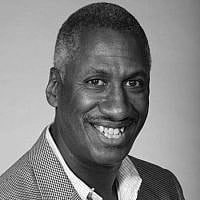
As an African-American Christian who has found a spiritual home in a Reform synagogue, I have had the opportunity to observe both the strengths and limitations of how Jewish communities approach diversity. Serving on a visioning committee tasked with exploring the future of Reform congregations, I have come to believe that true inclusivity must go beyond symbolic gestures to become a lived reality.
This essay is the second in a four-part series on the future of Reform congregations. It explores how Jewish communities can better reflect their own historical diversity, welcome Jews of color, and move beyond surface-level diversity initiatives to create a more inclusive and dynamic future.
Diversity Has Always Been Central to Judaism
One of the greatest misconceptions in modern Jewish discourse is the idea that Judaism has always been monolithic. In reality, diversity was present from the very beginning: (See my article Diversity Has Always Been God’s Plan A
- The Exodus from Egypt – The Torah states that a “mixed multitude” (Erev Rav) went up with Moses (Exodus 12:38), meaning that non-Israelites joined the Israelites in their journey to freedom.
- Biblical Commandments on Inclusion – The Torah repeatedly instructs Israelites to treat the stranger as their own, emphasizing that God’s covenant is not limited by ethnicity or origin (Leviticus 19:34).
- A Global Jewish Covenant – Prophets like Isaiah reinforce the vision of a Jewish faith that welcomes all people, declaring: “My House will be called a house of prayer for ALL nations” (Isaiah 56:7).
- Intercultural Leadership – Jewish biblical figures engaged in interracial and intercultural relationships:
- Joseph married Asenath, an Egyptian aristocrat.
- Moses married a Cushite (Ethiopian/Sudanese) woman.
- The Jewish people maintained strong North African and Middle Eastern connections throughout biblical history.
This deeply ingrained diversity in Jewish history should serve as a model for Reform congregations today. Rather than seeing inclusion as a modern political movement, synagogues should recognize that embracing diversity is a return to Judaism’s theological and historical roots.
The Current Challenge: The Diversity Gap in American Synagogues
Despite these historical foundations, American Jewish congregations have often struggled to fully integrate Jews of color and non-Ashkenazi Jews. While diversity is widely valued in theory, in practice, many congregations take few tangible steps to ensure inclusion.
Common Barriers to True Inclusion
- Outsourcing Diversity – Synagogues often engage in diversity work externally (partnering with Black churches or supporting interfaith coalitions) while failing to address internal representation and participation.
- Unintentional Exclusion – Many Jews of color report feeling like outsiders in predominantly white congregations, where they are mistaken for visitors, converts, or security personnel rather than accepted as full members.
- Lack of Representation in Leadership – Few Jewish institutions prioritize elevating Jews of color and non-Ashkenazi Jews to leadership roles, perpetuating an unspoken narrative that Judaism is primarily white and Ashkenazi.
- Stereotypes About Jewish Identity – The assumption that Judaism is exclusively European overlooks the rich Mizrahi, Sephardi, Ethiopian, and Asian Jewish communities worldwide.
If Reform congregations wish to remain relevant and reflective of modern Jewish demographics, they must take intentional steps to bridge this diversity gap.
Recognizing the Changing Demographics of Jewish Communities
American Jewish demographics are rapidly shifting. (See mt article Jews of Color and the Changing Demographics of Jews
According to Pew Research data, between 6% and 15% of American Jews identify as Jews of color, including Black, Hispanic, Asian, and multiracial Jews. This number is even higher among younger generations, meaning that the future of Judaism is inherently diverse.
Breaking the Myth of a “White” Judaism
- The assumption that all Jews are white ignores the existence of Ethiopian, Indian, Chinese, North African, and Middle Eastern Jewish communities that have thrived for centuries.
- Many Ashkenazi Jews have light skin but still experience antisemitism, making “white privilege” a complex issue that cannot be viewed solely through an American racial lens.
- Younger generations are more racially and ethnically diverse, meaning that the next chapter of Jewish life must reflect this reality.
Rather than seeing diversity as a challenge, congregations should see it as an opportunity—a chance to celebrate the full breadth of Jewish identity and experience.
What Reform Congregations Can Do to Embrace Inclusivity
True inclusivity requires systemic and cultural change. Reform congregations must move beyond slogans and take concrete steps toward welcoming diverse Jewish voices in all aspects of synagogue life.
1) Prioritize Representation in Leadership
- Actively recruit and support Jews of color for leadership positions, clergy roles, and board memberships.
- Recognize and uplift Mizrahi, Sephardi, and Ethiopian Jewish traditions in services, holiday observances, and educational programming.
2) Rethink Community Outreach
- Instead of only inviting Black Christian leaders for MLK Day, synagogues should center Black Jewish voices and host discussions on race within the Jewish community.
- Establish cross-cultural programs that connect Ashkenazi, Mizrahi, Sephardi, and Ethiopian Jews in meaningful ways.
3) Build Educational Programs that Reflect the Full Jewish Story
- Offer classes that explore Jewish communities beyond Eastern Europe, including North Africa, the Middle East, and Asia.
- Challenge the Eurocentric narrative by incorporating Sephardic, Mizrahi, and Ethiopian Jewish scholarship in religious school curricula.
4) Address Race and Privilege with Nuance
- Acknowledge that some Jews benefit from white privilege while still facing antisemitism.
- Provide safe spaces for Jews of color to share their experiences without being expected to educate white Jewish peers.
5) Foster a Culture of Radical Belonging
- Move beyond welcoming people to actively including them in decision-making, community rituals, and leadership.
- Ensure that Jews of color feel at home in Jewish spaces, not as guests but as full and equal participants in synagogue life.
Conclusion: The Future of an Inclusive Jewish Community
The Jewish people have never been monolithic. From the Erev Rav at Sinai to the multicultural Jewish communities across the world today, diversity has always been part of God’s plan for the Jewish people. Reform congregations have an opportunity to lead the way in embracing this reality—not just in theory, but in practice.
By prioritizing inclusivity in leadership, education, outreach, and synagogue culture, we ensure that all Jews, regardless of ethnicity or background, feel fully at home in Jewish life.
This is the second in a four-part series on the future of Reform congregations. Future essays will explore:
- Spiritual Formation – Creating meaningful spiritual growth opportunities for all Jews.
- Youth & Future Generations – Strengthening Jewish identity among younger Jews.
- Remote Engagement – Expanding Jewish life beyond the synagogue walls.
By committing to true inclusivity, we build a Jewish future that reflects the richness of our history, the diversity of our people, and the welcoming spirit of our faith.